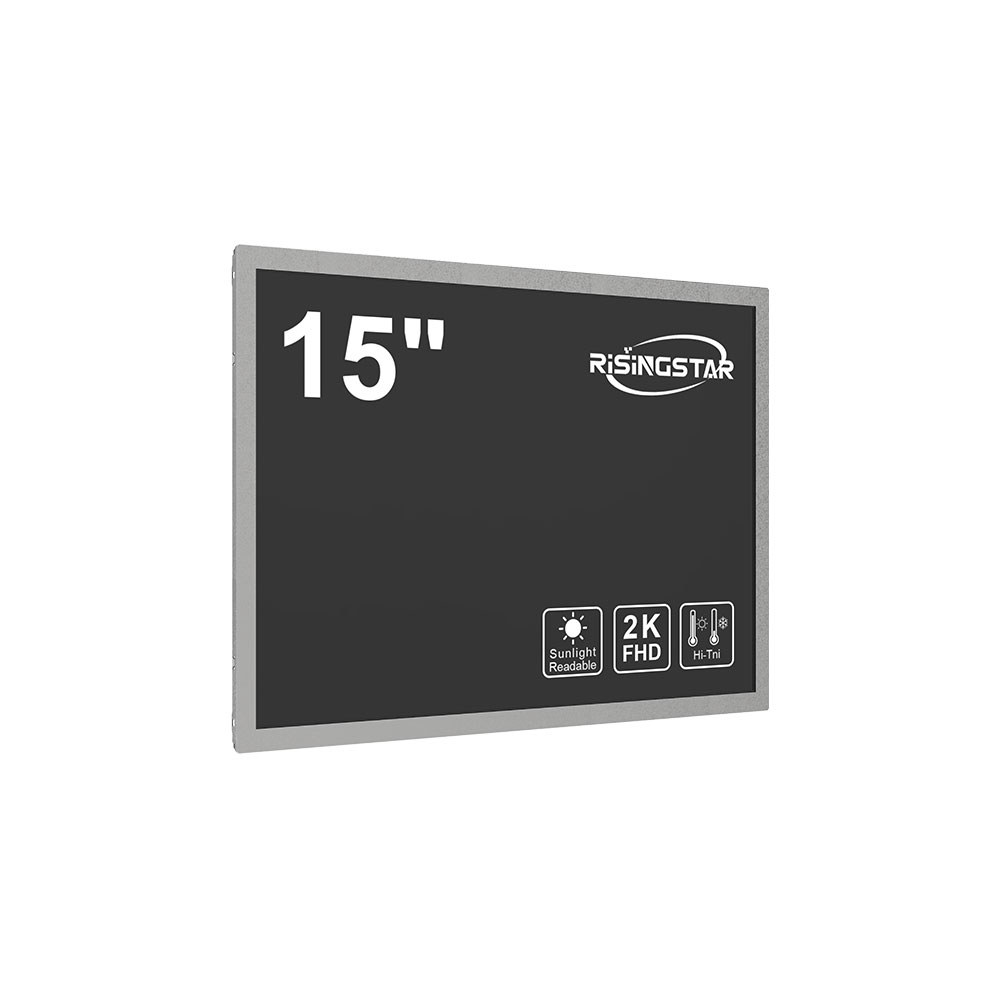
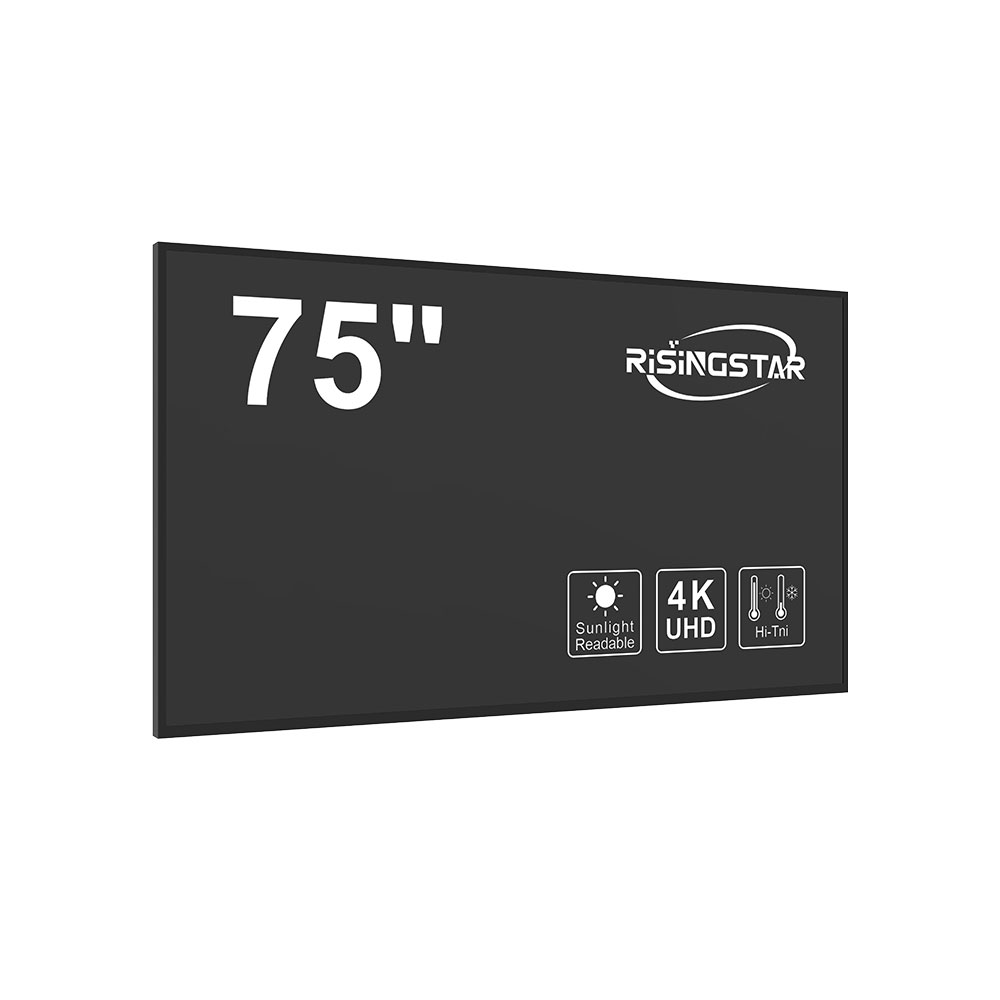
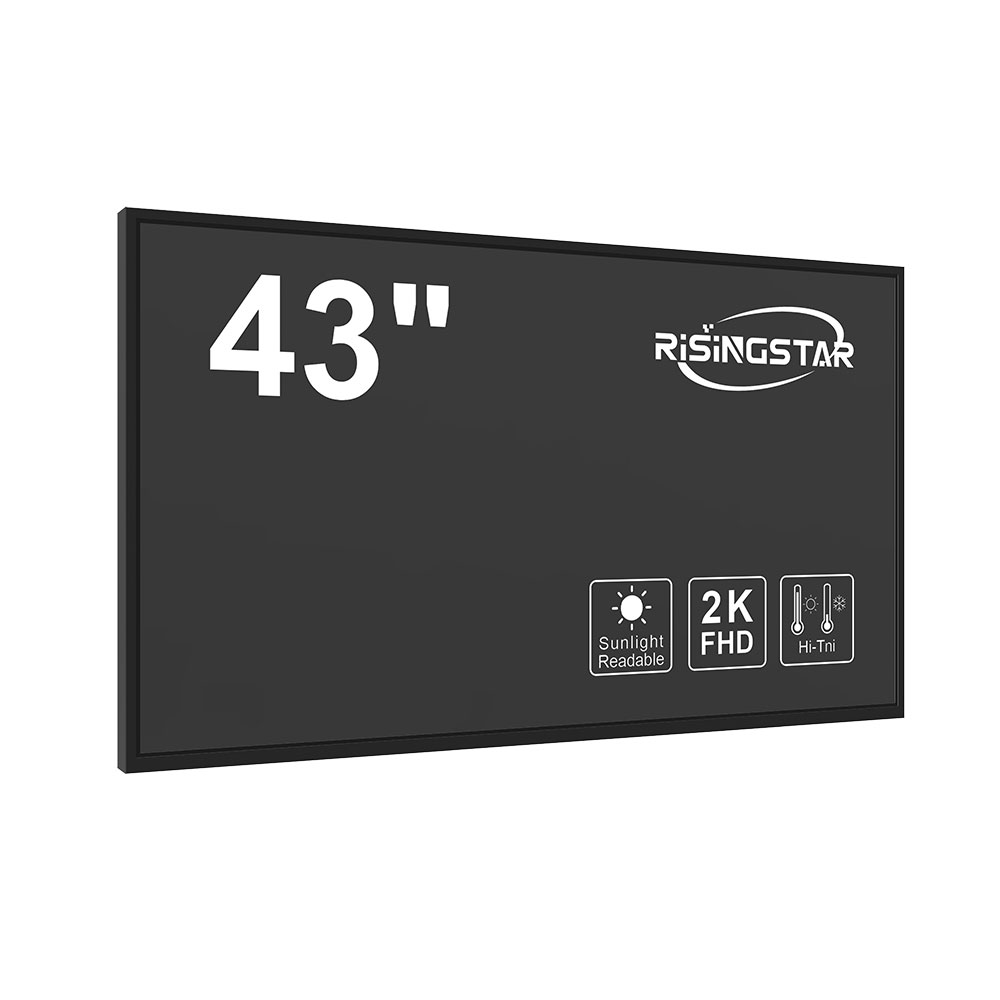
When selecting an LCD display for industrial applications, it's crucial to consider environmental conditions, display performance, and long-term reliability. Industrial environments often expose devices to extreme temperatures, humidity, vibration, and electromagnetic interference—factors that can significantly impact display functionality and lifespan. A poorly chosen LCD may lead to system downtime, maintenance costs, and even safety risks in critical operations.
The first step in choosing the right LCD is understanding the application’s operational environment. For example, displays used in outdoor construction equipment must withstand temperature ranges from -30°C to +70°C, while those in food processing plants require IP65 or higher dust and water resistance. Industry standards such as IEC 60068 for environmental testing and MIL-STD-810 for ruggedization provide benchmarks for evaluating durability. Always refer to these standards when comparing products from different manufacturers.
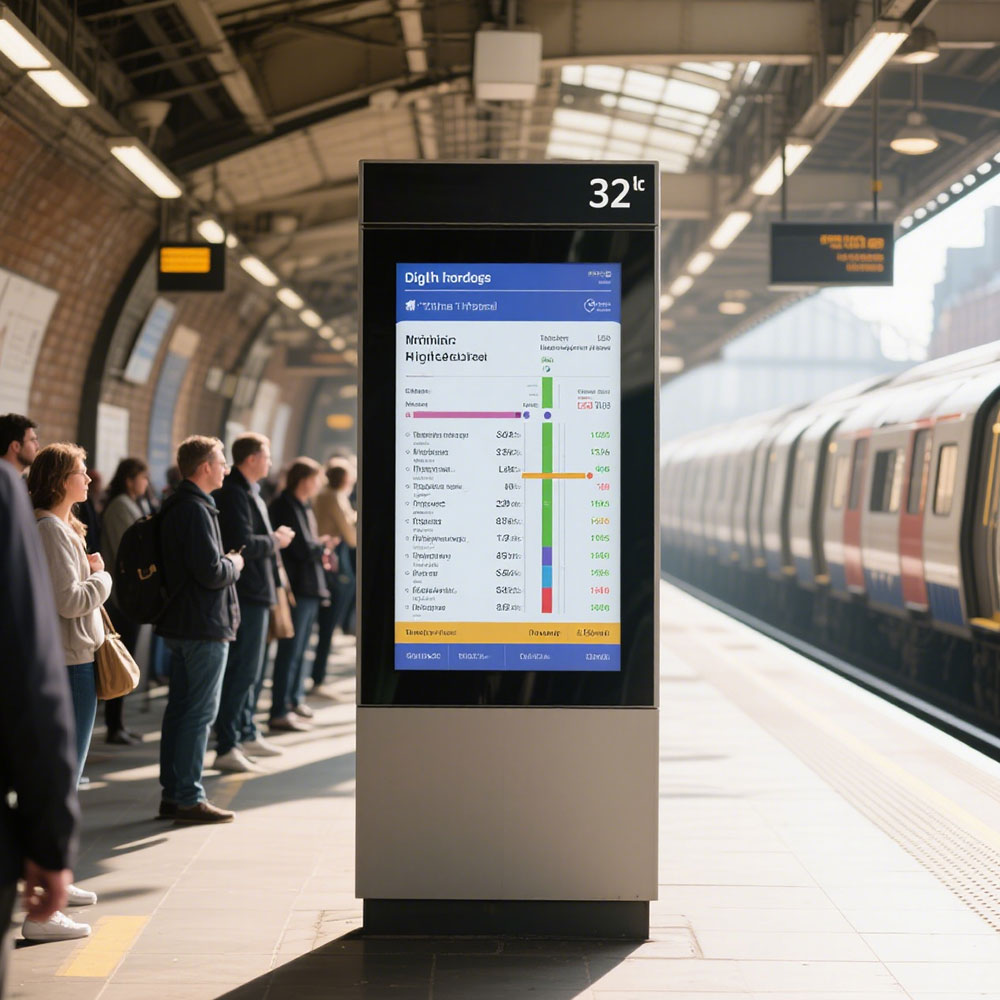
Next, evaluate key display specifications including brightness (measured in nits), contrast ratio, viewing angles, and response time. In high-ambient-light settings like warehouses or vehicle dashboards, a minimum of 1000 nits is recommended to ensure readability. For control panels with frequent user interaction, fast response times (< 20ms) prevent motion blur and improve usability. Additionally, wide viewing angles (typically 170° horizontal and vertical) are essential in multi-user setups or where operators approach the screen from various positions.
Power efficiency is another important factor, especially for battery-powered or energy-conscious systems. Modern LCDs use LED backlighting instead of CCFL, offering up to 40% lower power consumption without sacrificing brightness. Look for displays with integrated power management features such as automatic brightness adjustment based on ambient light sensors—a feature increasingly common in industrial-grade units.
Finally, consider supplier support and certification. Reliable vendors offer extended warranties (up to 5 years), technical documentation, and quick turnaround for replacements. Certifications like CE, RoHS, and FCC ensure compliance with international regulations and reduce legal or compliance risks during deployment. Real-world case studies from companies like Siemens, Rockwell Automation, and Bosch show that investing in high-quality, certified LCDs reduces total cost of ownership over time—even if initial procurement costs are higher.
In conclusion, selecting the right LCD for industrial use requires a balance between performance, environmental resilience, and long-term value. By aligning specifications with actual operating conditions and prioritizing trusted suppliers, engineers and procurement teams can ensure robust, reliable display solutions that support mission-critical operations across diverse industries.