When selecting an LCD display for industrial equipment applications, manufacturers and distributors must prioritize reliability, environmental resilience, and long-term performance. Unlike consumer-grade displays, industrial LCDs are exposed to harsh conditions such as extreme temperatures, humidity, dust, vibration, and prolonged operational cycles. A misjudged choice can lead to frequent failures, increased maintenance costs, and production downtime—costly outcomes in global manufacturing environments.
First, evaluate the display’s operating temperature range. High-quality industrial LCDs typically support wide temperature ranges—from -30°C to +70°C or even wider—to ensure stability in cold storage facilities, outdoor machinery, or high-heat industrial ovens. For example, a 10.4-inch industrial TFT-LCD from LG Innotek (model LTN104AT01) is certified for extended temperature operation and has been widely adopted in automated guided vehicles (AGVs) and medical diagnostic equipment due to its robust thermal performance.
Second, consider ruggedness metrics such as IP65 or higher ingress protection ratings. These protect against water spray, dust ingress, and mechanical shock—critical for factory floor use. Displays used in food processing, mining, or automotive assembly lines often require at least IP65 compliance to meet ISO 14122 standards for machine safety.
Third, assess brightness and viewing angles. Industrial settings often involve bright ambient lighting or dimly lit areas, so a minimum brightness of 1000 cd/m² is recommended for daytime visibility. Wide viewing angles (≥160° horizontal) ensure consistent image quality from multiple operator positions—a key factor in multi-user control panels or collaborative robotics systems.
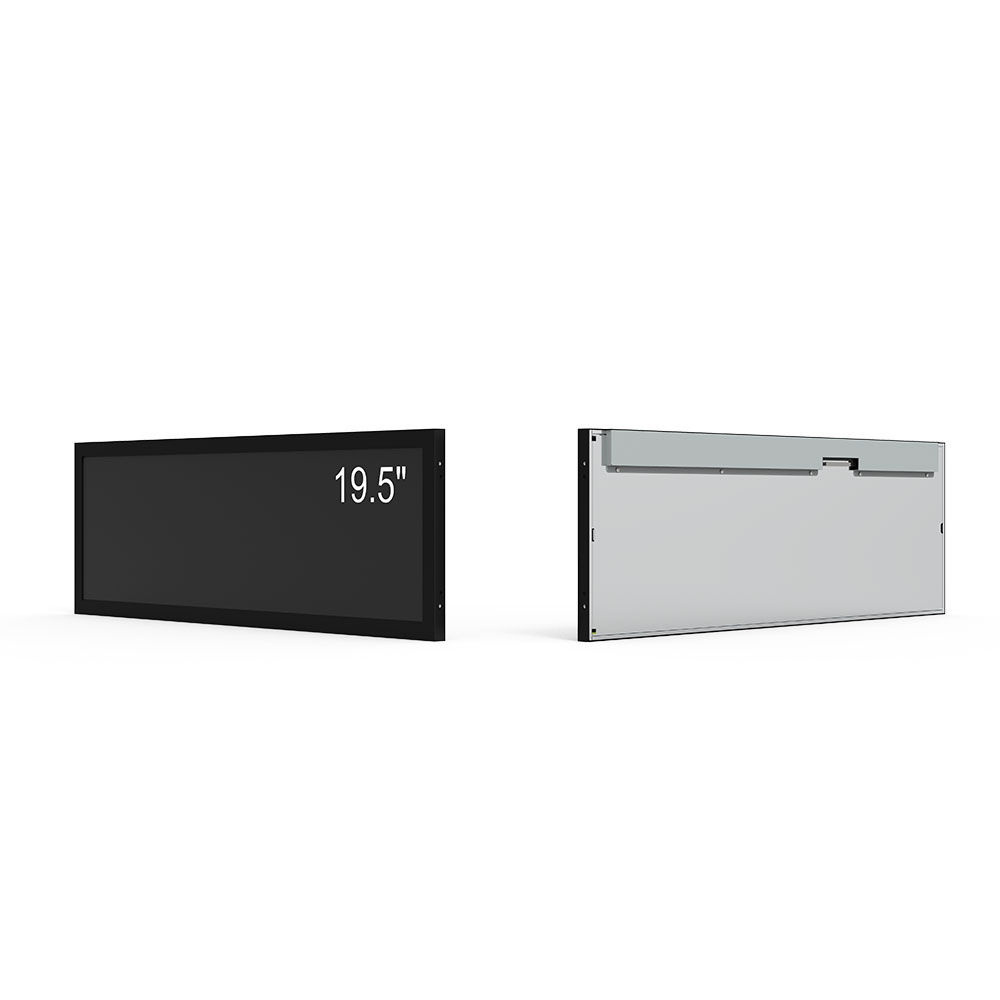
Fourth, verify compatibility with embedded controllers or PLCs. Many industrial LCDs integrate directly with RS-232, RS-485, or LVDS interfaces, enabling seamless integration into legacy systems without costly redesigns. Look for certifications like CE, FCC, and RoHS to ensure compliance with international regulatory requirements.
Finally, review real-world performance data and customer reviews from similar industries. For instance, Panasonic’s VVX series has received strong feedback from European automation OEMs for its 100,000-hour MTBF (Mean Time Between Failures), making it a preferred choice for continuous-process industries like chemical refining and steel production.
By systematically addressing these criteria—temperature tolerance, ruggedness, brightness, interface compatibility, and proven reliability—overseas equipment manufacturers and distributors can confidently select industrial-grade LCDs that enhance both product durability and end-user satisfaction across diverse global markets.