LCD (Liquid Crystal Display) technology remains a dominant force in the global display market, powering everything from smartphones and televisions to automotive dashboards and medical monitors. At its core, LCDs manipulate liquid crystals using electric currents to control light passage, enabling high-resolution, energy-efficient visuals without the bulk of older CRT displays.
One of the most compelling advantages of LCDs is their power efficiency—especially when compared to OLED or plasma screens—making them ideal for battery-powered devices like tablets and laptops. In commercial settings such as retail stores and digital signage, LCDs offer long-term reliability, low maintenance costs, and excellent brightness levels that remain visible even in well-lit environments.
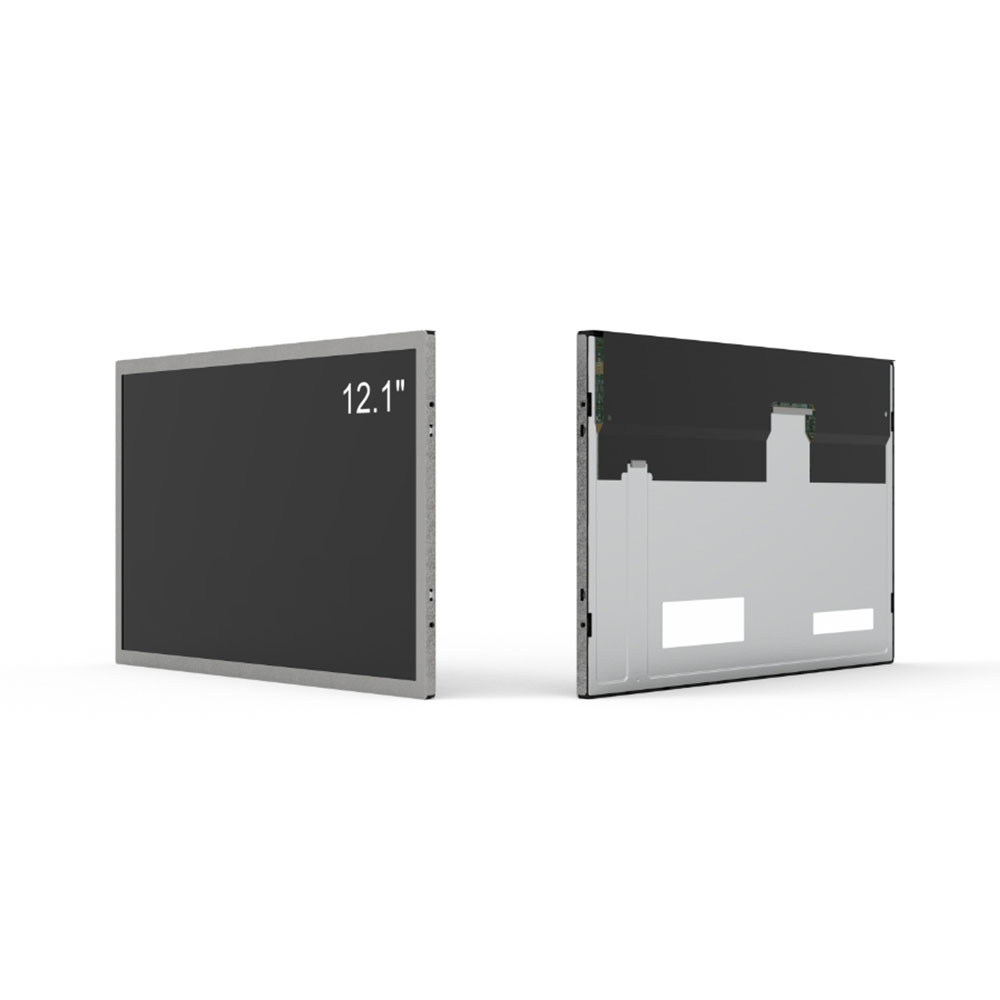
Practical applications continue to expand. For instance, in healthcare, LCDs are used in diagnostic imaging equipment where clarity and consistent color accuracy are critical. Automotive manufacturers now integrate large-format LCDs into infotainment systems and heads-up displays (HUDs), improving driver safety and user experience. Educational institutions also rely on LCD projectors and interactive whiteboards to enhance classroom engagement.
Despite these strengths, common problems persist. One frequent issue is backlight bleed, where uneven illumination causes bright spots or ghosting along screen edges—often due to poor panel assembly or aging components. Another challenge is viewing angle limitations; while IPS (In-Plane Switching) panels have improved this significantly, cheaper TN (Twisted Nematic) panels still suffer from color shift at extreme angles. Additionally, LCDs can exhibit slower response times than OLEDs, leading to motion blur in fast-paced content like gaming or sports.
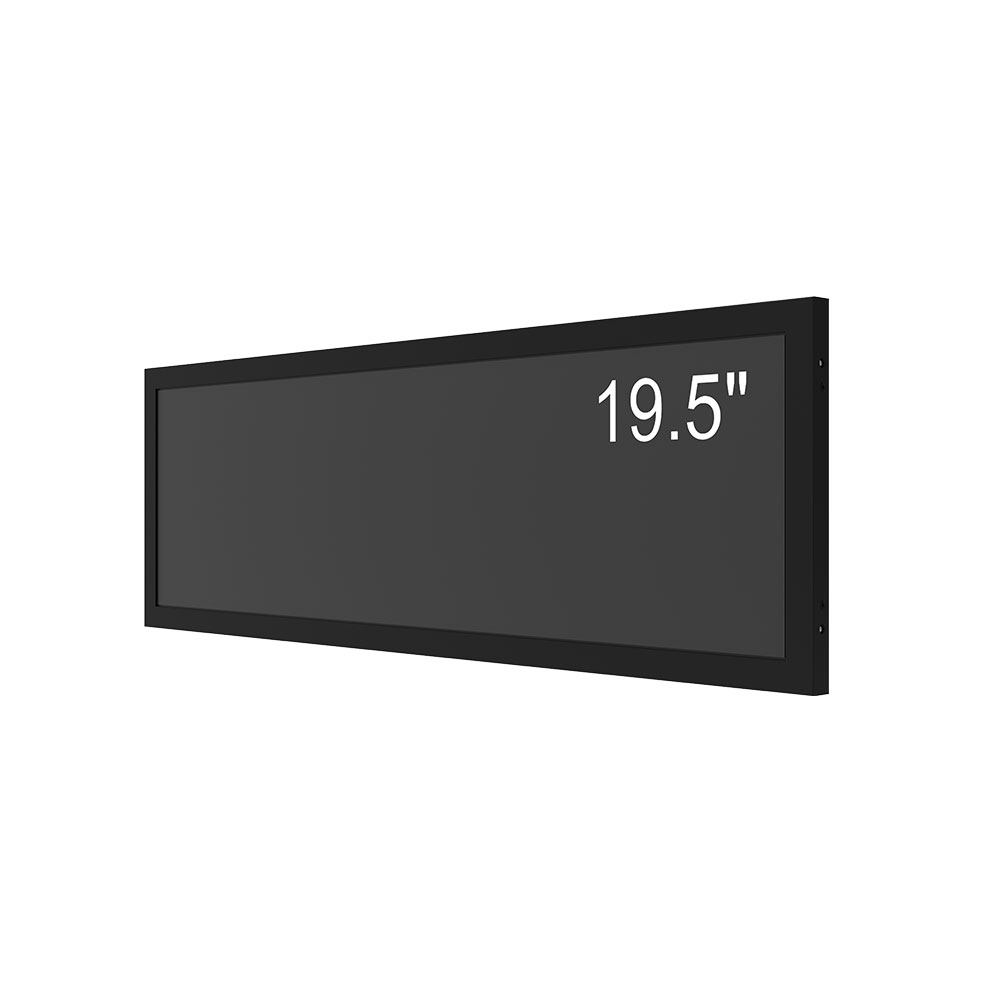
The latest trends show a strong push toward mini-LED and micro-LED backlighting technologies, which provide better contrast ratios and localized dimming without the cost or complexity of full-array OLEDs. Manufacturers like Samsung, LG, and Sony are investing heavily in edge-lit and direct-lit LCD architectures to bridge the gap between affordability and premium visual performance. Industry reports from IHS Markit and Statista indicate that over 75% of new flat-panel displays shipped globally in 2024 were LCD-based, underscoring continued relevance despite competition from newer technologies.
As sustainability becomes a priority, eco-friendly LCD production methods—including reduced mercury use and increased recyclable materials—are gaining traction, aligning with global environmental standards like RoHS and REACH. These innovations ensure that LCD technology not only meets today’s performance demands but also supports future-proof design principles.