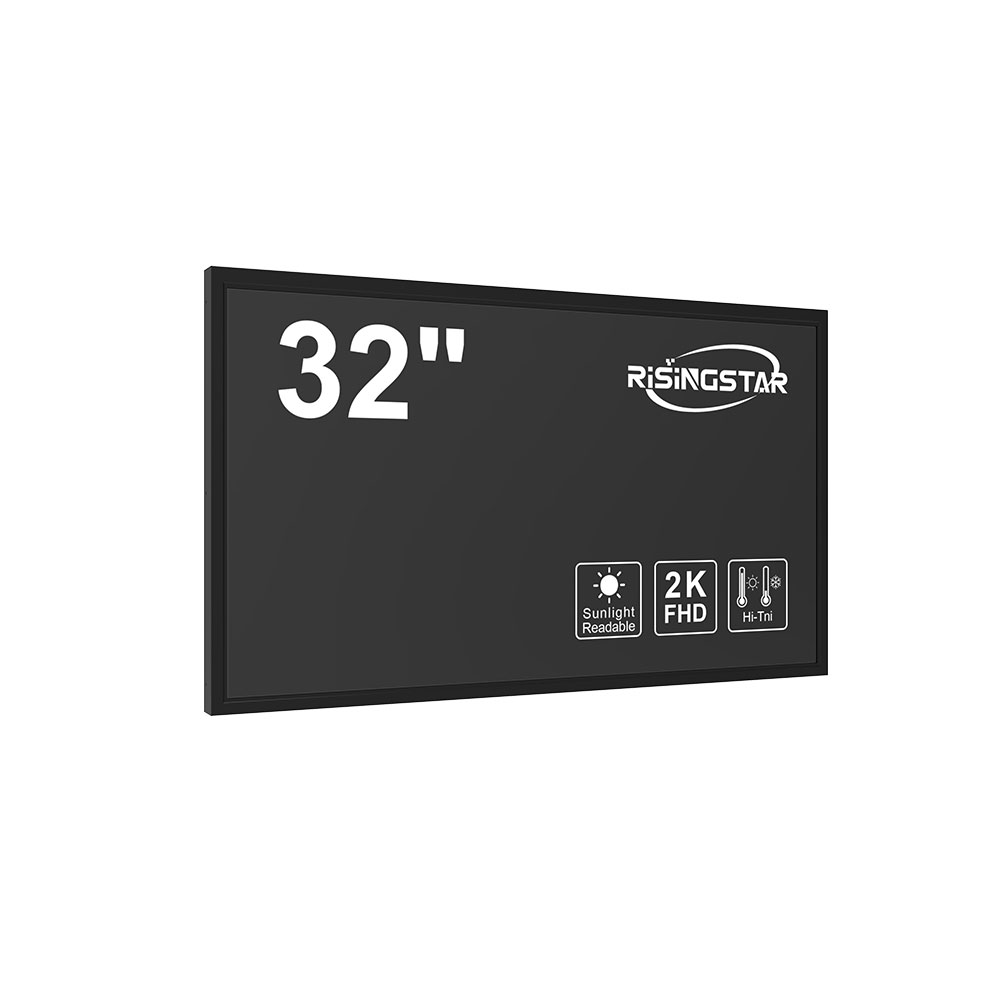
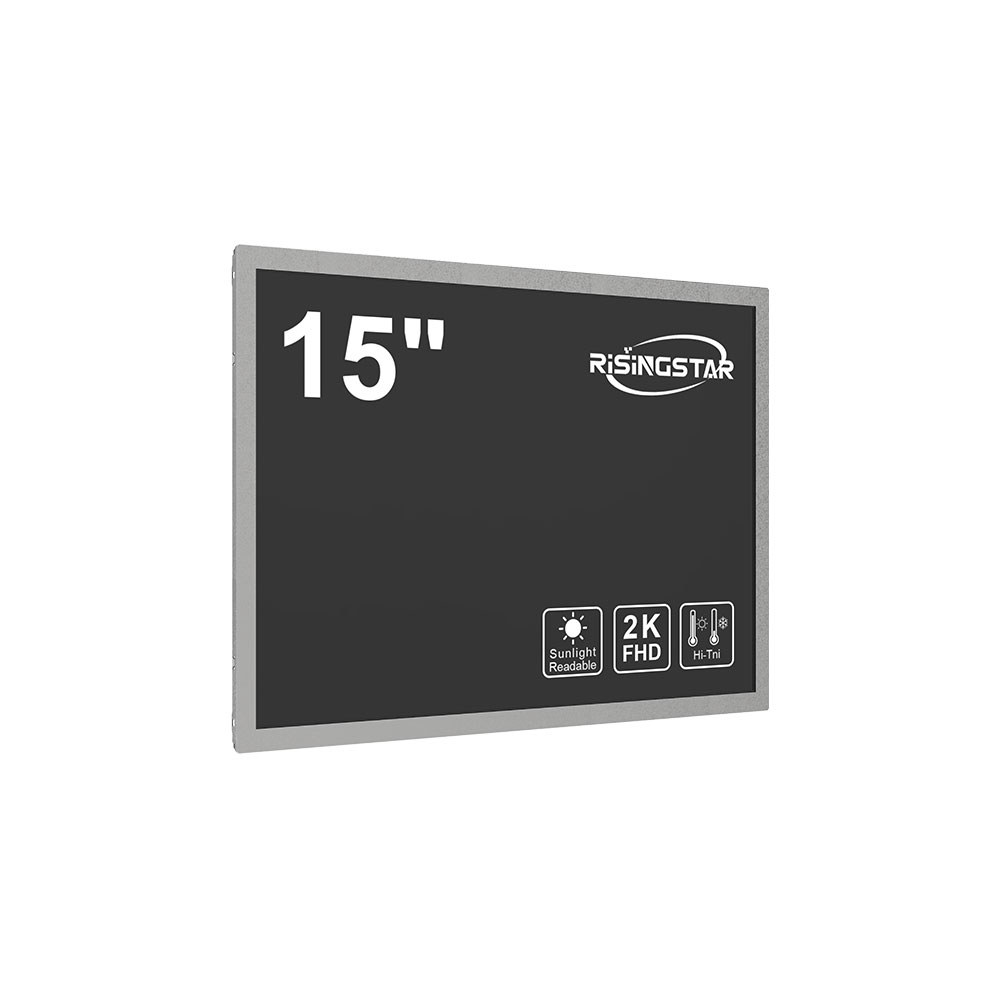
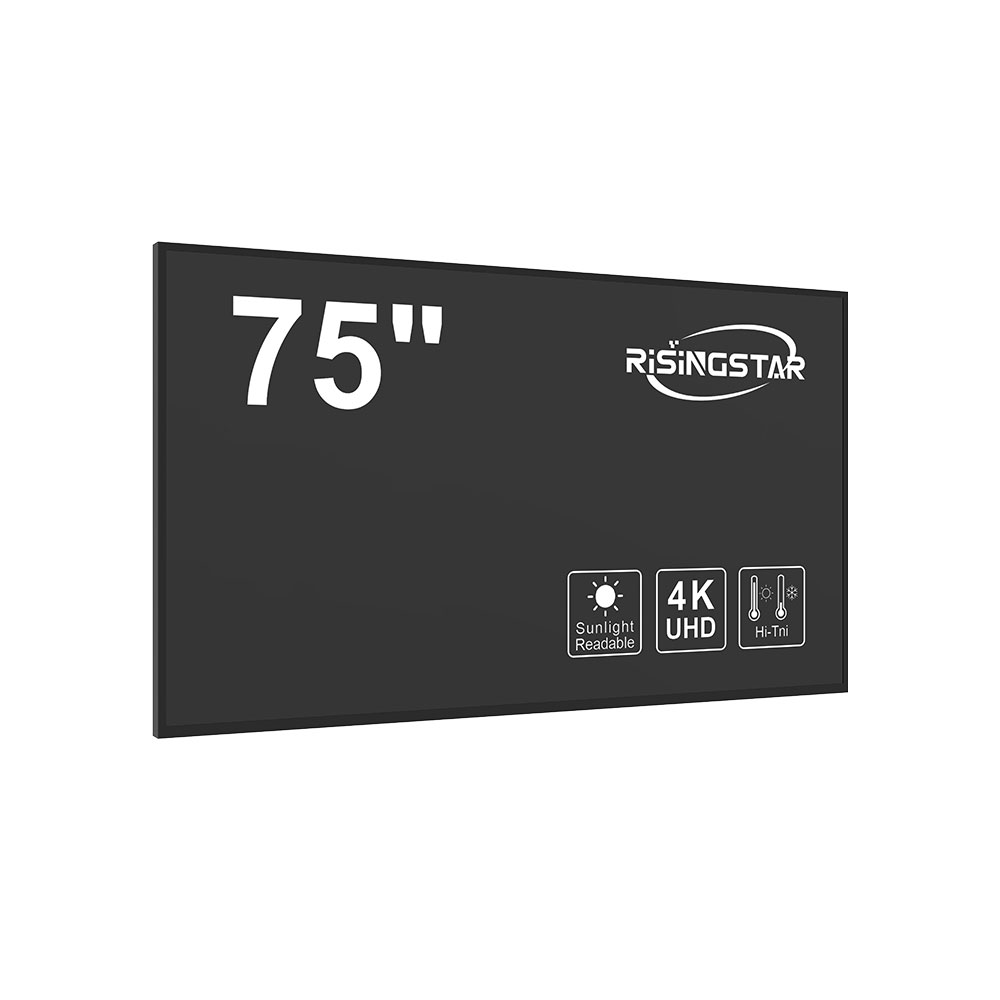
When selecting an LCD monitor for professional or personal use, one of the most critical decisions involves choosing the appropriate resolution. Two popular options—2K and 4K—are widely available in today’s market, each offering distinct advantages depending on your needs.
2K resolution, often referred to as QHD (2560x1440), strikes a strong balance between image clarity and system performance. It provides significantly sharper visuals than Full HD (1080p) while remaining compatible with mid-range GPUs and laptops. For designers, video editors, and gamers who want detailed visuals without overloading hardware, 2K is an ideal choice. Many monitors in this category support HDR10, IPS panels, and refresh rates up to 165Hz, making them suitable for both productivity and entertainment.
On the other hand, 4K resolution (3840x2160) offers ultra-high-definition clarity that is particularly beneficial for creative professionals working with high-resolution images, 4K video editing, or multi-tasking across multiple virtual desktops. The increased pixel density enhances readability and reduces eye strain during long work sessions. However, 4K demands more from your system—especially in terms of GPU power and RAM. Monitors with 4K resolution often include advanced features such as USB-C connectivity, color accuracy calibration (Delta E< 2), and wide color gamut coverage (99% sRGB, 95% DCI-P3).
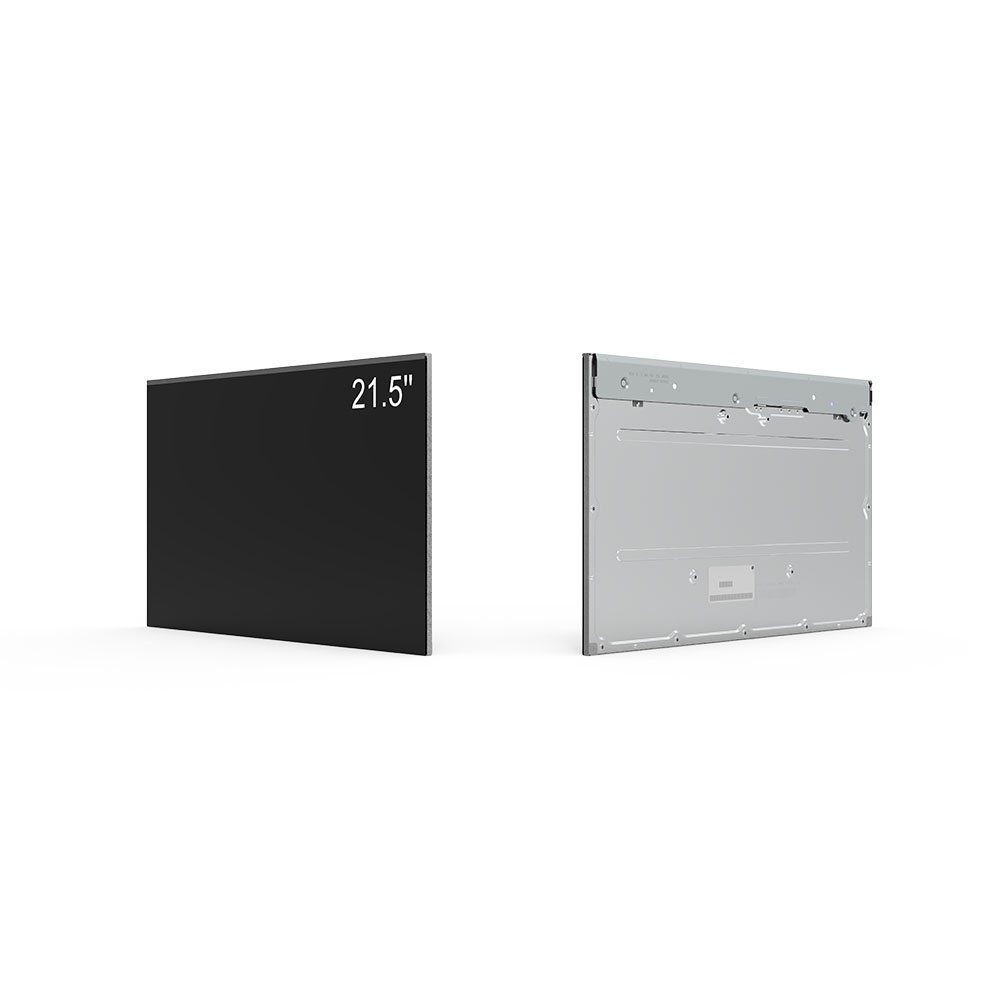
For users in education, healthcare, and finance sectors, the ability to display complex data sets clearly is essential. A 4K monitor allows you to view multiple spreadsheets, medical imaging files, or financial dashboards side by side without loss of detail. Meanwhile, gamers and content creators benefit from the immersive experience provided by 4K, especially when paired with modern GPUs like NVIDIA RTX 4070 or AMD Radeon RX 7800 XT.
Ultimately, the decision between 2K and 4K should be based on your specific use case, budget, and computing capabilities. If you prioritize portability, energy efficiency, and cost-effectiveness, 2K may be sufficient. But if you’re investing in precision, scalability, and future-proofing, 4K delivers unmatched visual fidelity.