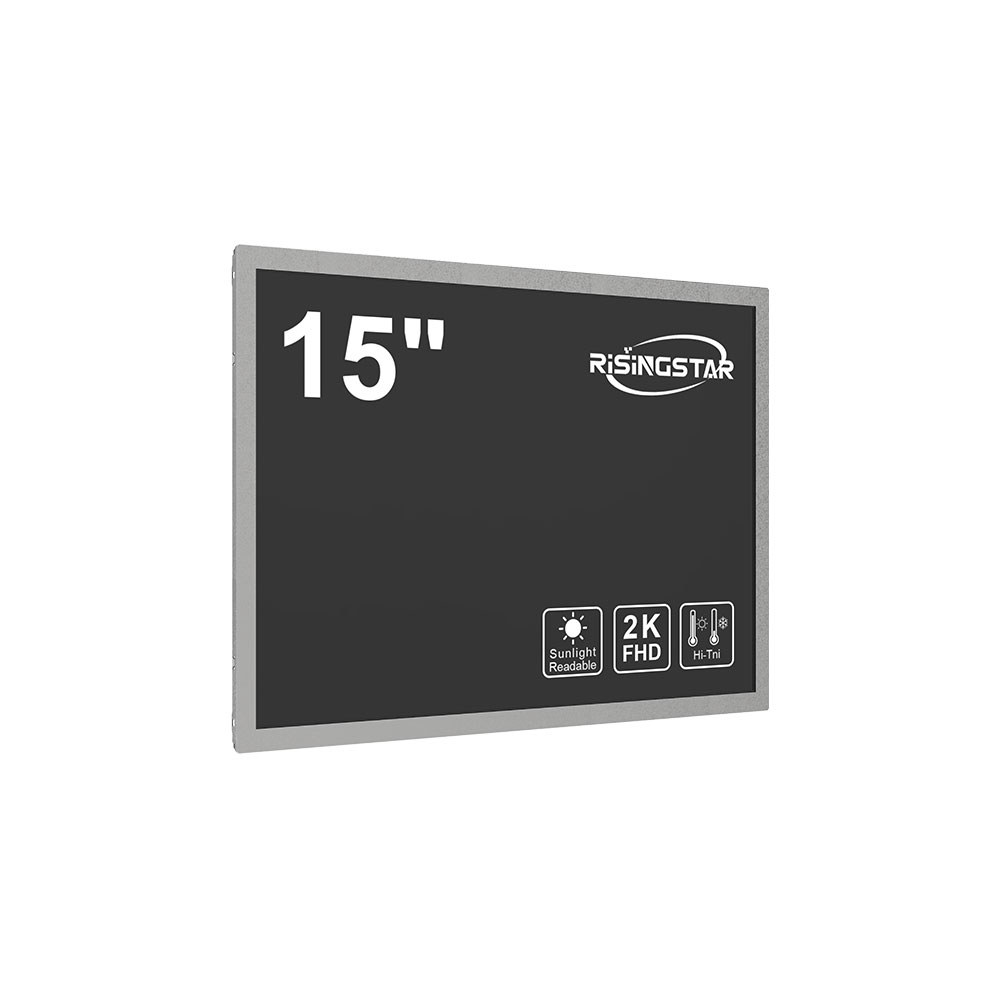
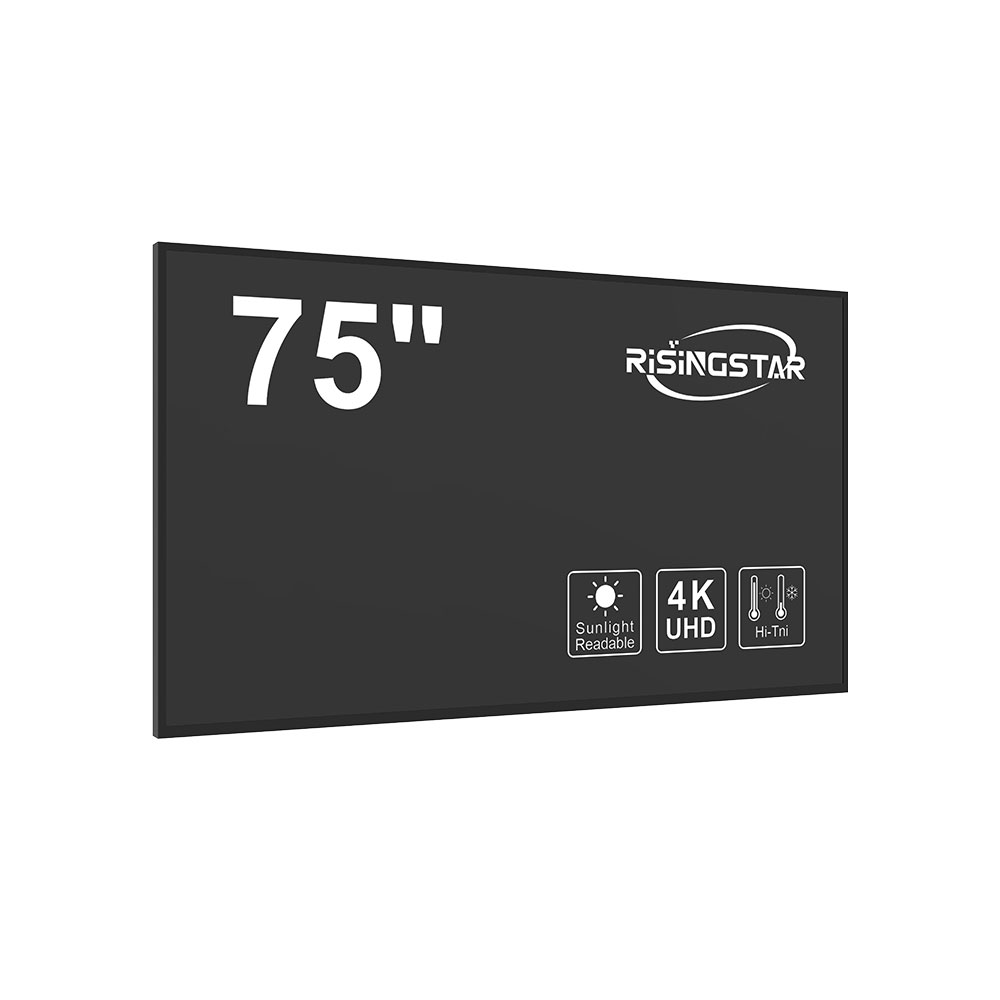
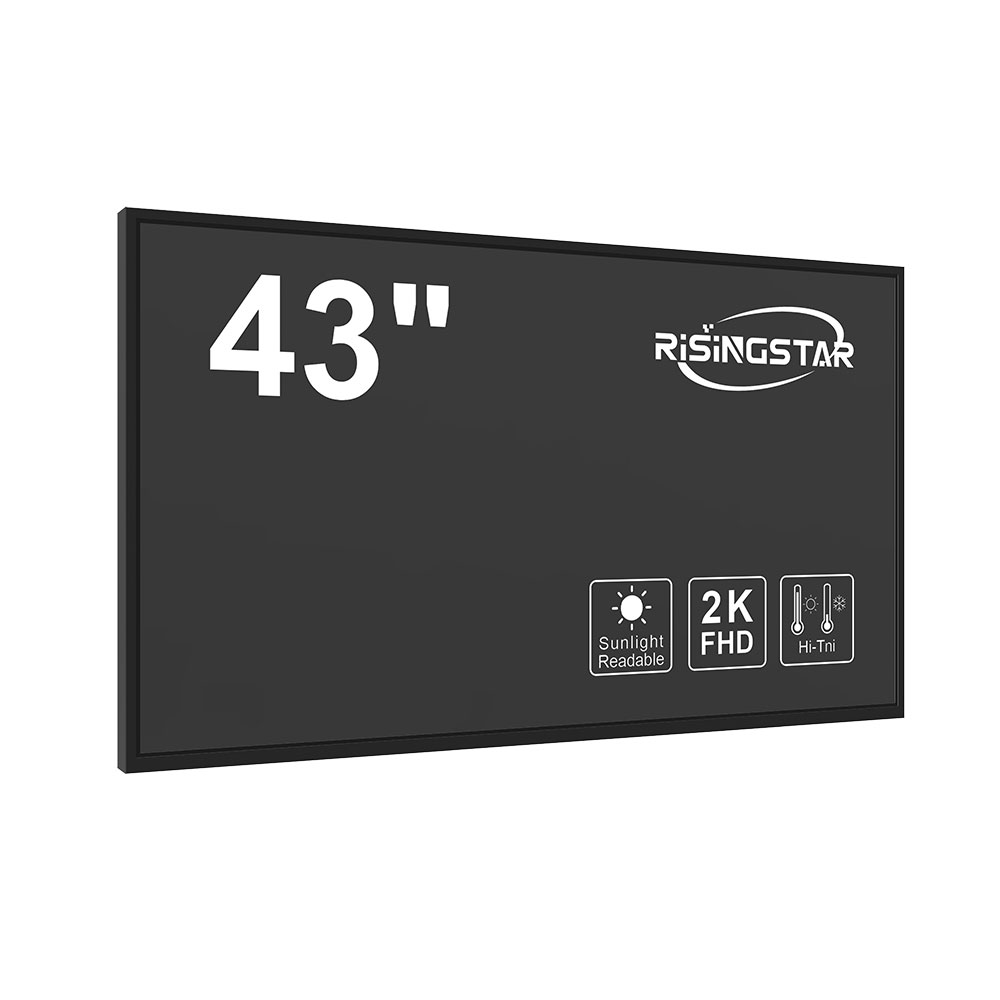
Selecting the appropriate LCD display for industrial applications is a critical decision that impacts system performance, user experience, and long-term reliability. Unlike consumer-grade displays, industrial LCDs must withstand harsh environments—including extreme temperatures, vibration, humidity, and prolonged operational cycles. Manufacturers often overlook key specifications such as brightness, contrast ratio, viewing angles, and environmental durability, leading to premature failures or suboptimal performance.
One of the first considerations is brightness—typically measured in nits. For indoor industrial settings like control rooms, 250–400 nits may suffice, but outdoor or high-glare environments demand 1000+ nits to maintain visibility. The IEC 60068-2 series outlines standardized environmental testing protocols for industrial electronics, including temperature cycling (from –30°C to +70°C) and shock resistance, which are essential benchmarks for robustness.
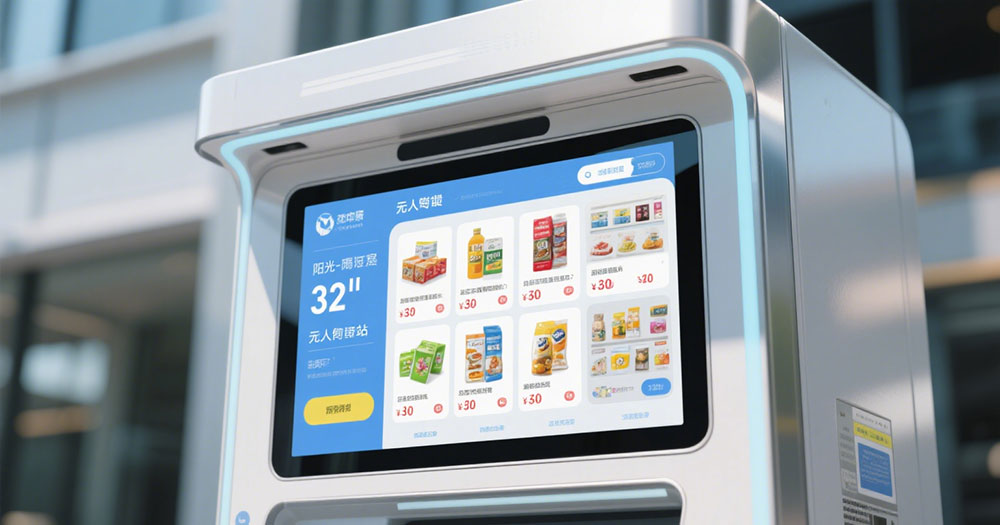
Another crucial factor is contrast ratio, especially for displays used in low-light conditions. A higher contrast ratio (e.g., 1000:1 or more) improves image clarity and reduces eye strain during extended use—a vital consideration in factory monitoring systems or medical diagnostic equipment. For example, LG’s industrial IPS panels offer up to 3000:1 contrast ratios, making them ideal for precision tasks.
Viewing angles also matter significantly in collaborative workspaces or machinery with multiple operators. Wide-viewing-angle technologies like IPS (In-Plane Switching) provide consistent color and brightness across 178° horizontal and vertical angles, unlike older TN (Twisted Nematic) panels that degrade sharply off-axis. This ensures uniform readability from various positions without needing precise alignment.
Durability metrics such as MTBF (Mean Time Between Failures), typically rated at 50,000 hours or more for industrial-grade models, indicate reliability under continuous operation. Displays used in automotive assembly lines or oil rig control systems must meet MIL-STD-810G standards for vibration and shock resistance. Additionally, certifications like IP65 (dust-tight and water-resistant) ensure protection against ingress, a common concern in food processing or marine environments.
Lastly, power efficiency and thermal management should not be ignored. High-brightness displays consume more energy, so selecting LED-backlit or OLED alternatives can reduce heat generation and extend lifespan. Real-world case studies from Siemens and Bosch show that switching to energy-efficient industrial LCDs reduced maintenance costs by up to 20% over five years.
By prioritizing these technical specifications alongside real-world testing and vendor support, engineers and procurement teams can confidently choose an LCD display that delivers both performance and longevity in demanding industrial settings.