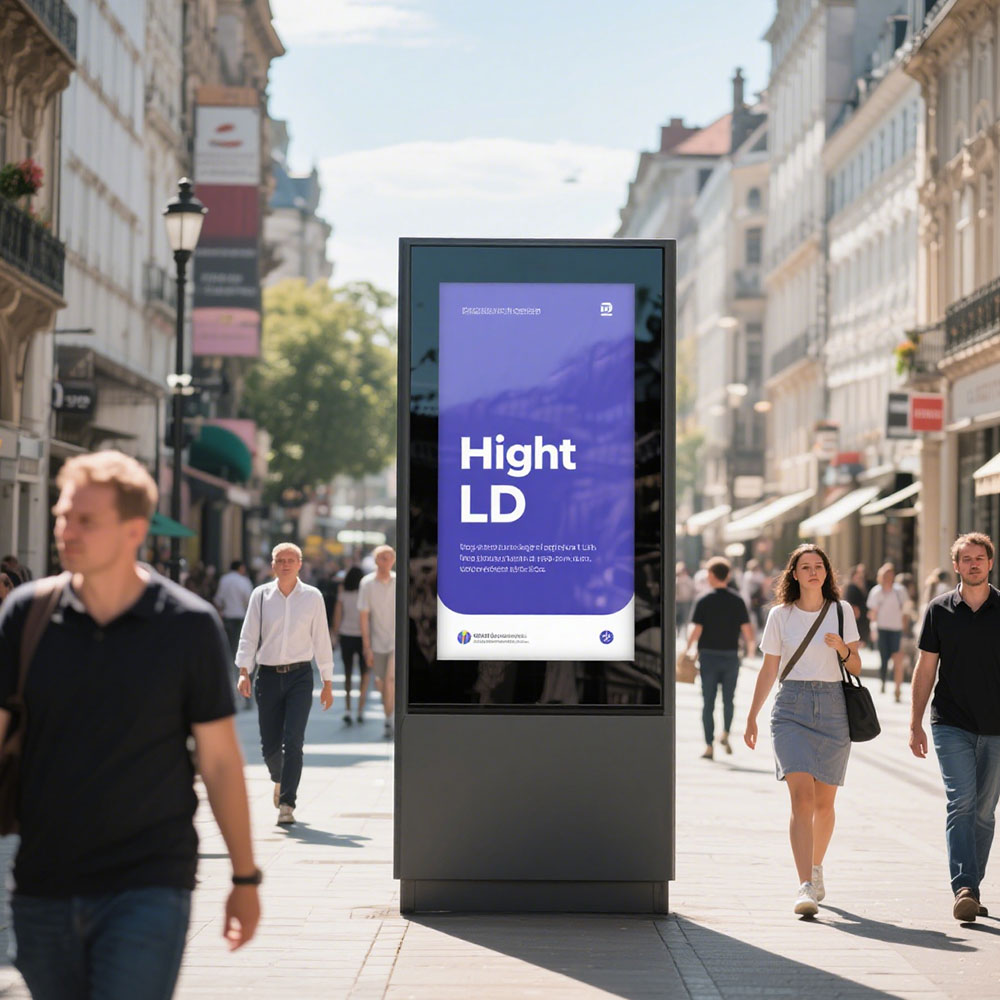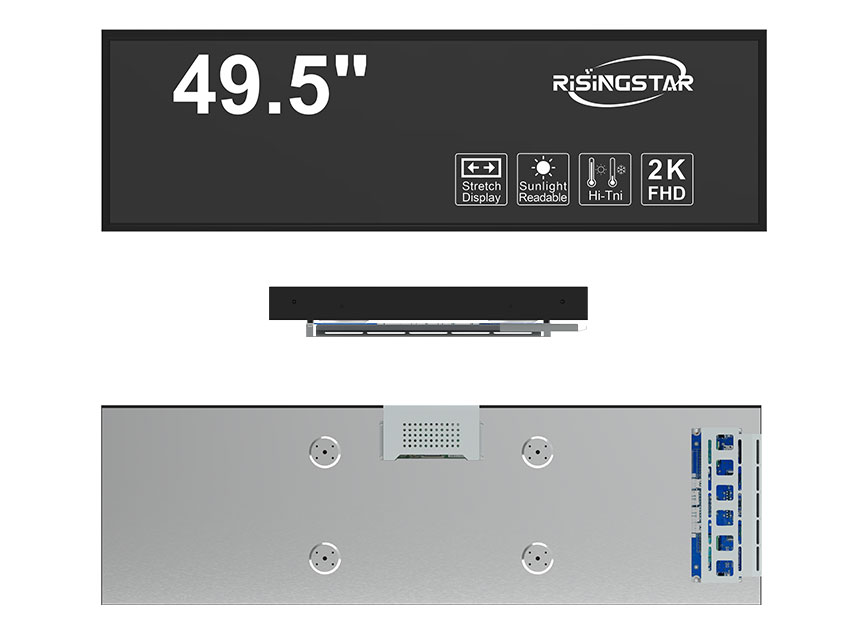
In industrial and outdoor environments, the reliability of LCD displays heavily depends on their ability to resist water ingress. One of the most widely recognized standards for this protection is the IP66 rating—a key benchmark defined by the International Electrotechnical Commission (IEC) in IEC 60529. An IP66-rated display offers complete dust protection (first digit "6") and powerful water jets from any direction (second digit "6"), making it ideal for applications such as factory automation, transportation systems, medical equipment, and outdoor kiosks.
To achieve an IP66 waterproof rating, manufacturers must follow a systematic design approach that includes material selection, sealing techniques, and rigorous testing protocols. First, the housing must be made from durable, corrosion-resistant materials like aluminum or polycarbonate, which can withstand both mechanical stress and environmental exposure. Second, gaskets—typically silicone or EPDM rubber—are used at all seams, ports, and buttons to create an airtight seal. These gaskets must be precisely engineered to maintain compression under varying temperatures and pressures, ensuring long-term integrity.
Additionally, internal components such as PCBs and connectors require conformal coating—a thin polymer layer applied via spray, dip, or selective coating—to prevent moisture from penetrating sensitive circuits. The LCD panel itself should be bonded with optically clear adhesive (OCA) or use edge-sealed glass modules to eliminate micro-gaps where water could enter. In high-vibration environments, such as mining equipment or heavy machinery, additional structural reinforcements like threaded mounting points and shock-absorbing mounts further enhance durability.
Testing is critical: IP66 compliance involves two stages. First, the device undergoes a dust test using fine talcum powder to simulate real-world particulate exposure. Then, it is subjected to powerful water jets at 12.5 liters per minute from a distance of 3 meters, directed from multiple angles for 3 minutes each. This process confirms that no water enters the enclosure—even under extreme conditions.
Leading manufacturers like LG Display, Sharp, and Innolux have successfully implemented IP66 ratings across their industrial-grade LCD products, with customer testimonials citing over 10 years of continuous operation in harsh environments. For example, an IP66-rated display used in a solar farm monitoring system remained fully functional after being exposed to torrential rain and sandstorms in the Middle East, highlighting the importance of certified waterproofing.
In conclusion, achieving IP66 waterproof performance requires more than just a label—it demands precision engineering, robust materials, and comprehensive validation. As industries move toward smarter, connected devices, IP66-rated displays will remain essential for ensuring operational continuity, safety, and longevity in demanding applications.