
Understanding LCD Display Technology in Modern Electronics
In today’s digital age, Liquid Crystal Display (LCD) technology remains one of the most widely used display solutions across consumer electronics, industrial equipment, and automotive systems. From smartphones and televisions to medical monitors and dashboard interfaces, LCDs offer a compelling balance of performance, cost-efficiency, and energy savings. This comprehensive guide explores the inner workings of LCD displays, their evolution, advantages over competing technologies like OLED and LED-backlit displays, and how they are optimized for diverse applications—from high-brightness outdoor use to low-power embedded systems.
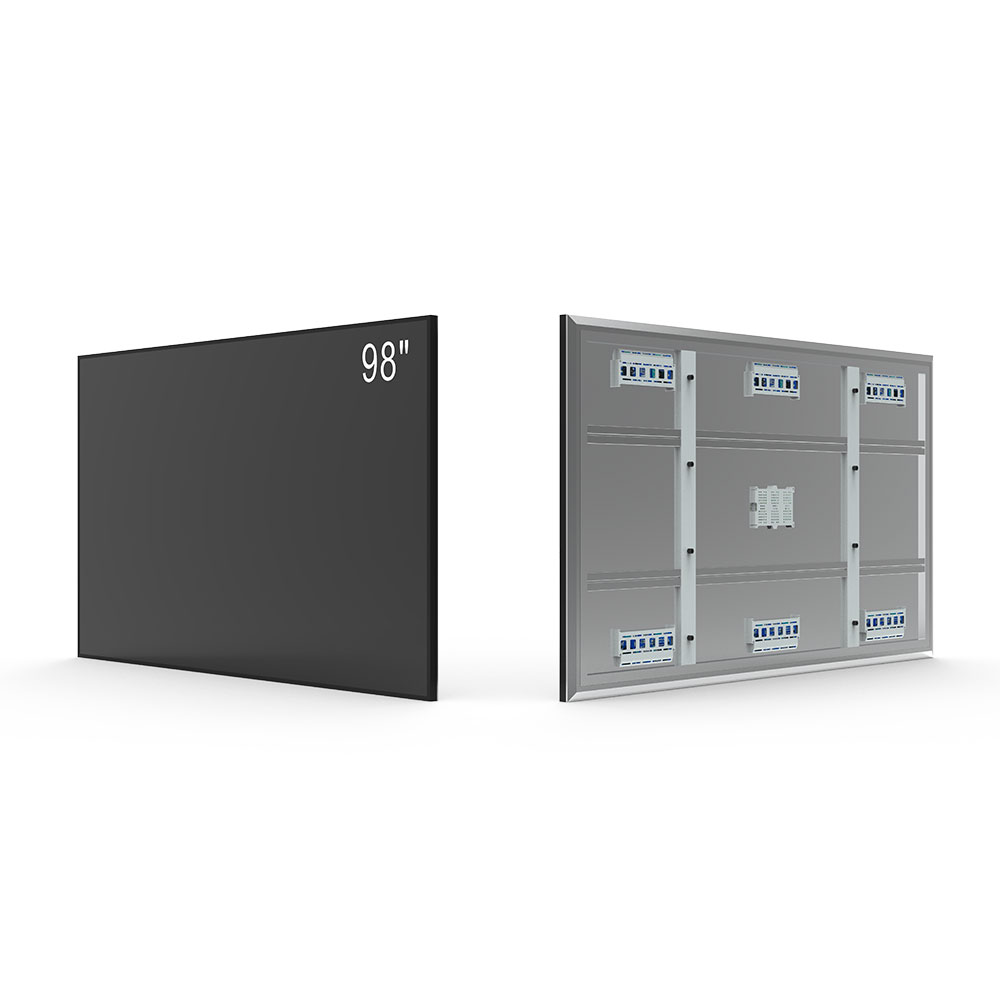
At its core, an LCD is a flat-panel display that uses liquid crystals to modulate light rather than emit it directly—unlike LEDs or OLEDs. These liquid crystals, which are neither fully solid nor fully liquid, can be manipulated by electric fields to control the passage of light through polarized filters. The basic structure of an LCD panel consists of several layers: a backlight unit (usually LED-based), two polarizing filters, a layer of liquid crystal material, and color filters arranged in sub-pixels (red, green, blue). When an electric current is applied to specific pixels, the liquid crystals rotate to either block or allow light to pass through, forming images on screen.
The history of LCD technology dates back to the 1960s when researchers at RCA first demonstrated a twisted nematic (TN) effect in liquid crystals. However, it wasn’t until the late 1980s and early 1990s that commercial applications began to emerge, especially in calculators, watches, and portable computers. By the 2000s, LCDs had become the dominant display type for TVs due to their superior brightness, longer lifespan, and lower power consumption compared to CRTs. Today, while OLED and microLED technologies have gained popularity in premium devices, LCDs still hold over 70% market share globally according to industry reports from Statista and Counterpoint Research (2023).
One key reason for the continued dominance of LCDs is their adaptability. For instance, TN panels are known for fast response times (as low as 1ms), making them ideal for gaming monitors and industrial control systems where motion blur must be minimized. IPS (In-Plane Switching) panels, introduced in the late 1990s, offer superior viewing angles and color accuracy—making them popular in professional graphic design and medical imaging applications. VA (Vertical Alignment) panels provide higher contrast ratios than both TN and IPS, often reaching 3000:1 or more, which benefits dark-room environments such as home theaters and cinema setups.
Another critical factor driving LCD adoption is cost-effectiveness. While OLEDs require expensive organic materials and complex manufacturing processes, LCDs leverage mature production techniques developed over decades. As a result, LCD panels remain significantly cheaper per square inch, enabling manufacturers to produce large-screen televisions at affordable prices—such as 55-inch 4K models now selling below $400 USD in many markets. Additionally, advancements in LED backlighting have dramatically improved LCD efficiency: local dimming zones, quantum dot enhancements, and mini-LED backlights now enable HDR performance rivaling some OLED displays without the risk of burn-in.
From an environmental perspective, LCDs also offer sustainability benefits. They consume less power than older display types, with modern LCD TVs using up to 50% less electricity than equivalent CRT models. According to the U.S. Department of Energy, widespread adoption of LCDs has contributed to reducing household energy consumption related to video displays by over 20 billion kWh annually since 2010. Moreover, many LCD manufacturers have adopted RoHS-compliant production methods and recycled glass substrates in panel assembly, aligning with global e-waste reduction goals.
Despite these strengths, LCDs face challenges—particularly in terms of contrast ratio and black levels. Because LCDs rely on a backlight that cannot be fully turned off, true blacks are difficult to achieve unless advanced techniques like full-array local dimming (FALD) are employed. This limitation is why OLEDs, which can individually turn off each pixel, excel in delivering deep blacks and infinite contrast. However, recent innovations in LCD design—including the integration of micro-lens arrays and nanostructured coatings—are closing this gap. Some high-end LCD panels now achieve near-OLED-like black levels under controlled lighting conditions.
For businesses deploying LCDs in harsh environments—such as industrial automation, transportation, or military equipment—durability and reliability are paramount. Many industrial-grade LCDs undergo rigorous testing per MIL-STD-810 standards, including shock resistance, temperature extremes (-30°C to +70°C), humidity exposure, and vibration endurance. These displays often feature ruggedized housings, wide operating voltage ranges (9–36V DC), and enhanced touch functionality for glove-compatible operation. In automotive dashboards, LCDs must comply with ISO 16750 for vehicle electrical systems and withstand electromagnetic interference (EMI) up to 100V/m.
The future of LCD technology lies in hybrid approaches and smart integration. Companies like LG Display and BOE Technology are developing “Mini-LED + LCD” hybrids that combine the precision of localized backlighting with the affordability of traditional LCD panels. Samsung has also launched QLED (Quantum Dot LED) displays based on LCD architecture, enhancing color gamut and brightness via nanocrystal-enhanced filters. These next-generation LCDs are expected to dominate mid-range and premium segments well into the 2030s, especially as demand grows for energy-efficient displays in IoT devices, smart homes, and edge computing hardware.
As we look ahead, the role of LCDs will continue to evolve—not just as passive screens but as intelligent display units integrated with AI-driven content optimization, adaptive brightness control, and real-time ambient light sensing. With ongoing R&D investments and global supply chain maturity, LCD technology remains a cornerstone of modern visual communication, offering unmatched value, versatility, and scalability for millions of users worldwide.
上一篇:Skärmkabel för LCD-paneler – Val av rätt kabel för optimal prestanda och tillförlitlighet
下一篇:How to Choose the Right LCD Panel for Industrial Applications