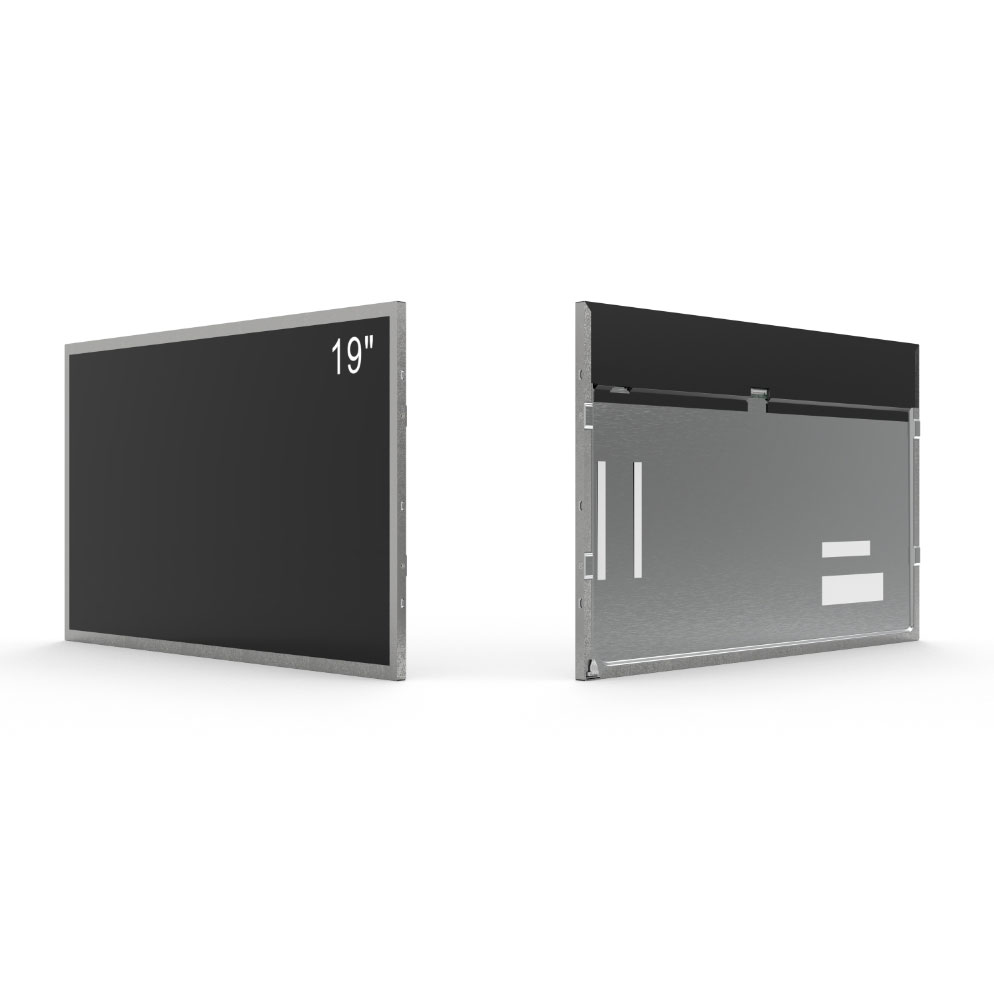
Understanding LCD Panel Technology and Its Impact on Display Performance
LCD (Liquid Crystal Display) panels are the backbone of modern visual technology, powering everything from smartphones and televisions to industrial monitors and automotive dashboards. Unlike OLED displays that emit light directly, LCDs rely on a backlight source—typically LED—to illuminate liquid crystals that modulate light passage based on electrical signals. This fundamental difference shapes how LCDs perform in brightness, power efficiency, and viewing angles.
The core components of an LCD panel include the backlight unit (BBU), polarizers, color filters, thin-film transistors (TFTs), and the liquid crystal layer itself. Each element plays a critical role in image quality. For example, advanced TFT arrays enable faster pixel response times, reducing motion blur in fast-moving content such as sports or gaming videos. Meanwhile, high-luminance LED backlights improve visibility in bright environments like outdoor kiosks or car windshields.
Manufacturers have significantly improved LCD technology over the past decade. IPS (In-Plane Switching) panels now offer wide viewing angles and consistent color accuracy across all directions—ideal for professional design work or collaborative settings. VA (Vertical Alignment) panels provide deeper blacks and higher contrast ratios, making them popular in home theater systems. TN (Twisted Nematic) panels remain common in budget-friendly devices due to their low cost and fast response times, though they often sacrifice color fidelity and viewing angles.

Environmental durability is another area where LCDs excel. Industrial-grade LCD panels undergo rigorous testing—including thermal cycling, humidity resistance, and vibration endurance—to ensure reliability in harsh conditions. These features make them suitable for use in manufacturing plants, medical equipment, and military applications.
Recent innovations like Mini-LED and QLED enhance traditional LCDs by improving local dimming and color gamut. While not as energy-efficient as OLED, these advancements bring LCDs closer to premium display standards without the associated price tag. According to market research from Statista (2023), over 75% of global TV shipments still use LCD-based panels due to their balance of performance, cost, and scalability.
For consumers and businesses alike, understanding LCD panel types—IPS, VA, TN—and their real-world implications is essential when selecting displays for specific needs. Whether it's choosing between a 100Hz IPS monitor for graphic design or a VA panel for cinematic viewing, informed decisions lead to better user experiences and long-term value.