Common LCD Display Ratios and Sizes for Modern Applications
In today’s rapidly evolving digital landscape, the choice of LCD display ratio and size plays a critical role in determining user experience, device functionality, and application suitability. Among the most widely adopted aspect ratios is the 16:9 format—a standard that balances screen real estate with content compatibility across video, gaming, and productivity environments. This ratio aligns perfectly with HD (720p), Full HD (1080p), and even 4K Ultra HD resolutions, making it ideal for consumer electronics such as laptops, monitors, TVs, and digital signage.
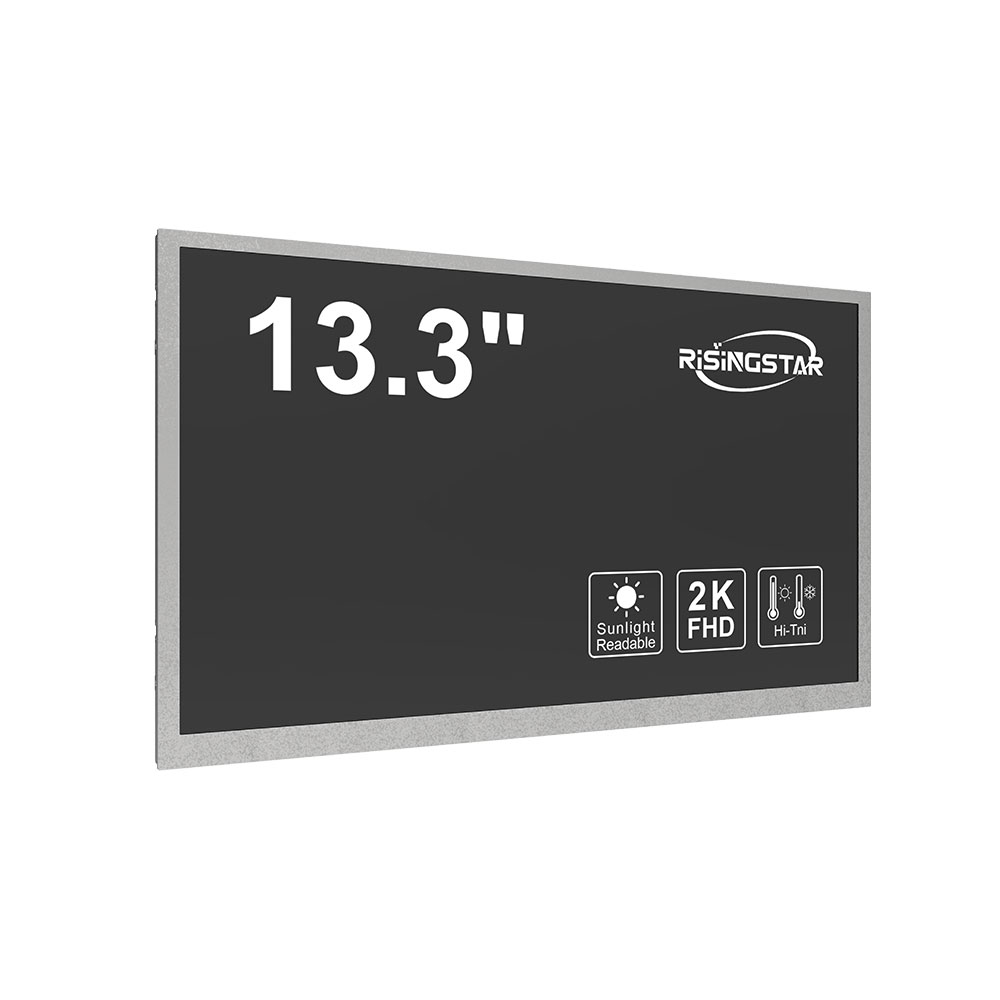
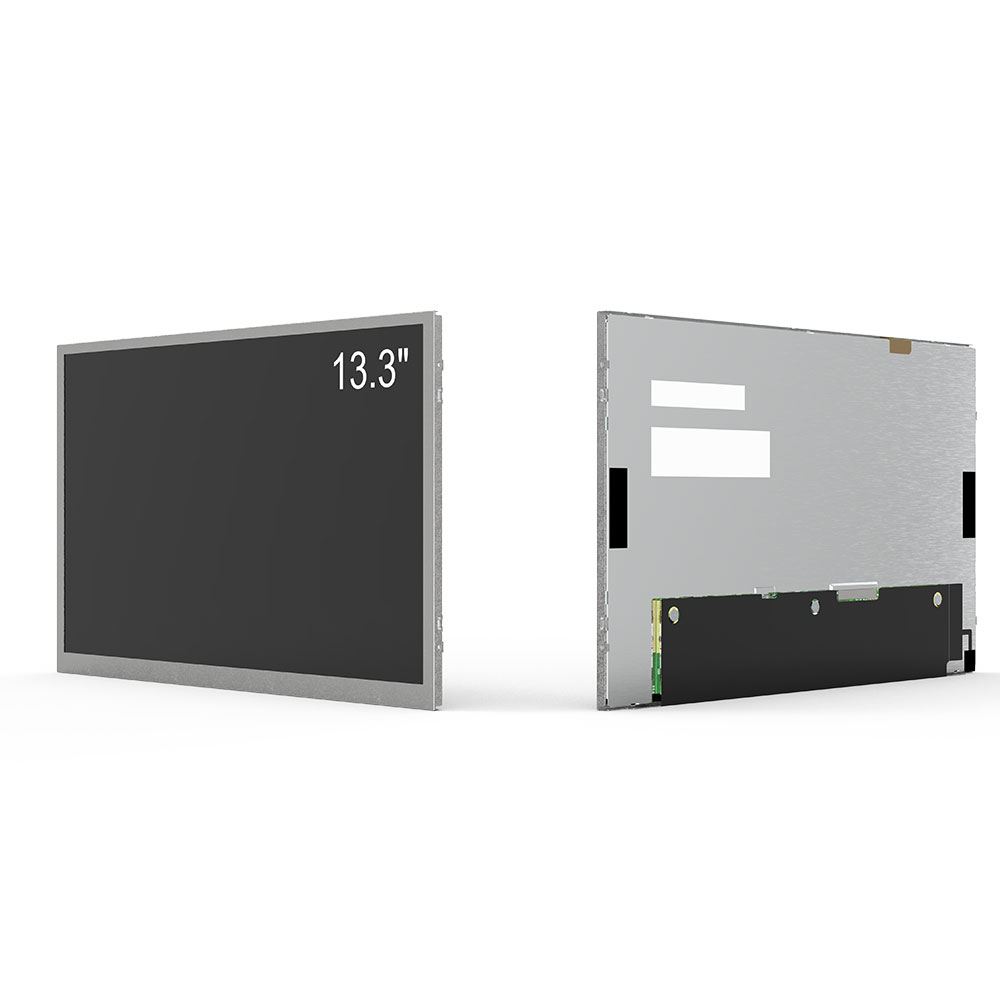
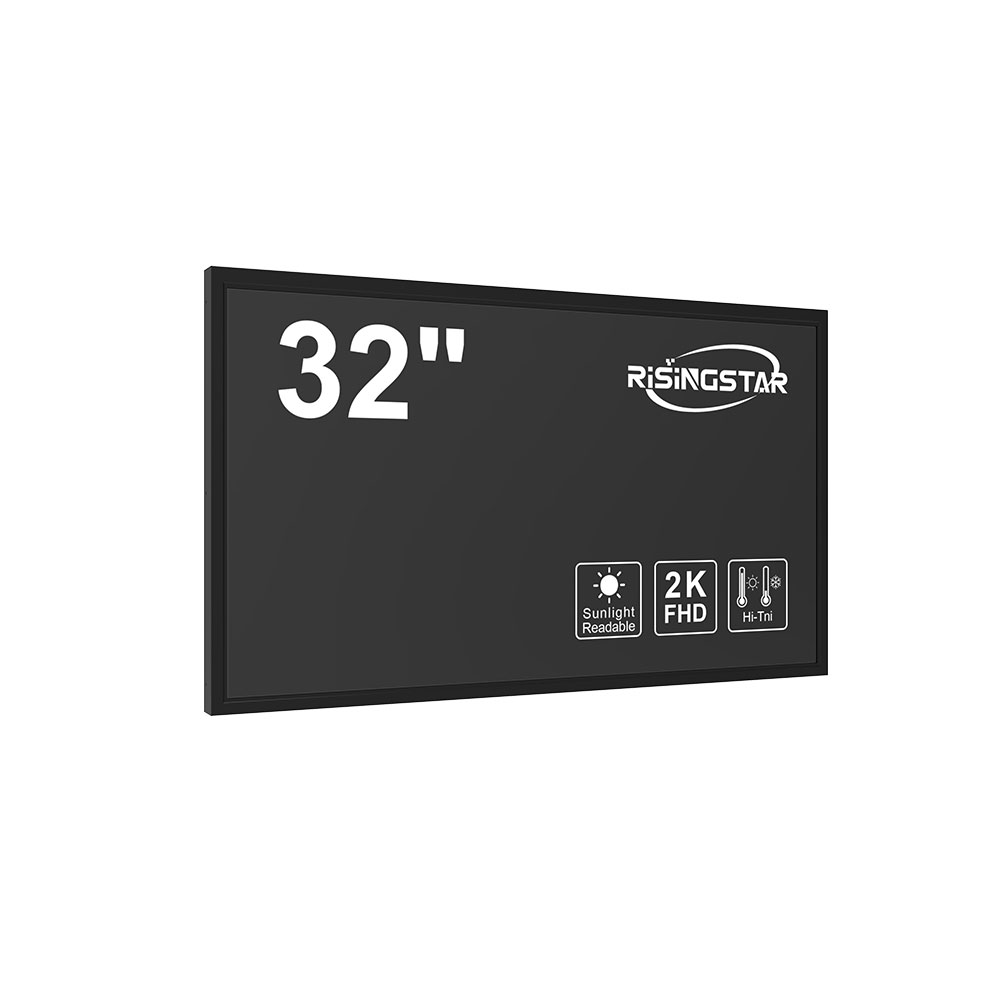
When selecting an LCD panel, common screen sizes include 10.1”, 13.3”, 15.6”, 18.5”, 21.5”, 23.8”, 27”, 32”, 43”, 46”, 49”, 55”, 65”, 75”, 86”, 98”, and 110”. Each size serves distinct purposes. For instance, smaller displays like 10.1” and 13.3” are prevalent in portable devices such as tablets and ultrabooks where portability and battery efficiency are key. In contrast, larger screens—especially those from 27” upward—are preferred in professional settings such as graphic design, data analytics, and multi-monitor setups due to enhanced clarity and workspace ergonomics.
Manufacturers have standardized on these sizes based on ergonomic research, manufacturing economies of scale, and market demand. For example, 21.5” and 23.8” monitors dominate office environments for their optimal balance between cost, performance, and screen space. Meanwhile, 43”–75” displays are commonly used in commercial applications like retail kiosks, control rooms, and interactive classrooms, leveraging high brightness levels (often >300 cd/m²) and wide viewing angles (typically ±178°).
Recent trends also show increasing adoption of 49” and above ultra-wide panels, often featuring 32:9 or 21:9 aspect ratios for immersive workflows—ideal for dual-monitor experiences without bezel interruption. These large-format displays benefit from advanced technologies like IPS (In-Plane Switching) and VA (Vertical Alignment) panels, which ensure consistent color accuracy and contrast.
Environmental considerations are equally important. Many modern LCDs now meet ENERGY STAR and EPEAT standards, reducing power consumption while maintaining performance across all sizes. For instance, a 55” 16:9 LED-backlit monitor may consume as little as 60W under normal use, significantly less than older CCFL models.
Ultimately, choosing the right combination of display ratio and size depends on intended use—from mobile productivity to enterprise-level visualization. Whether designing a compact IoT dashboard using a 10.1” unit or deploying a massive 110” display for public information systems, understanding these industry-standard dimensions ensures both technical compatibility and user satisfaction.