
High Brightness LCD Displays for Outdoor and Industrial Applications
High brightness LCD displays have become essential components in modern industrial, commercial, and outdoor environments where visibility under direct sunlight or harsh lighting conditions is critical. These displays are engineered to deliver luminance levels far exceeding standard LCDs—typically ranging from 1,500 to 5,000 nits—making them ideal for applications such as kiosks, vehicle dashboards, medical equipment, and construction machinery interfaces.
The core advantage of high brightness LCDs lies in their ability to maintain clarity and readability even in challenging lighting scenarios. Unlike conventional displays that may appear washed out under bright sunlight, high brightness models utilize advanced backlighting technologies such as LED arrays with optimized diffusion films and high-efficiency phosphors. Some models incorporate adaptive brightness control systems that automatically adjust luminance based on ambient light sensors—a feature especially valuable in energy-efficient designs for battery-powered devices.
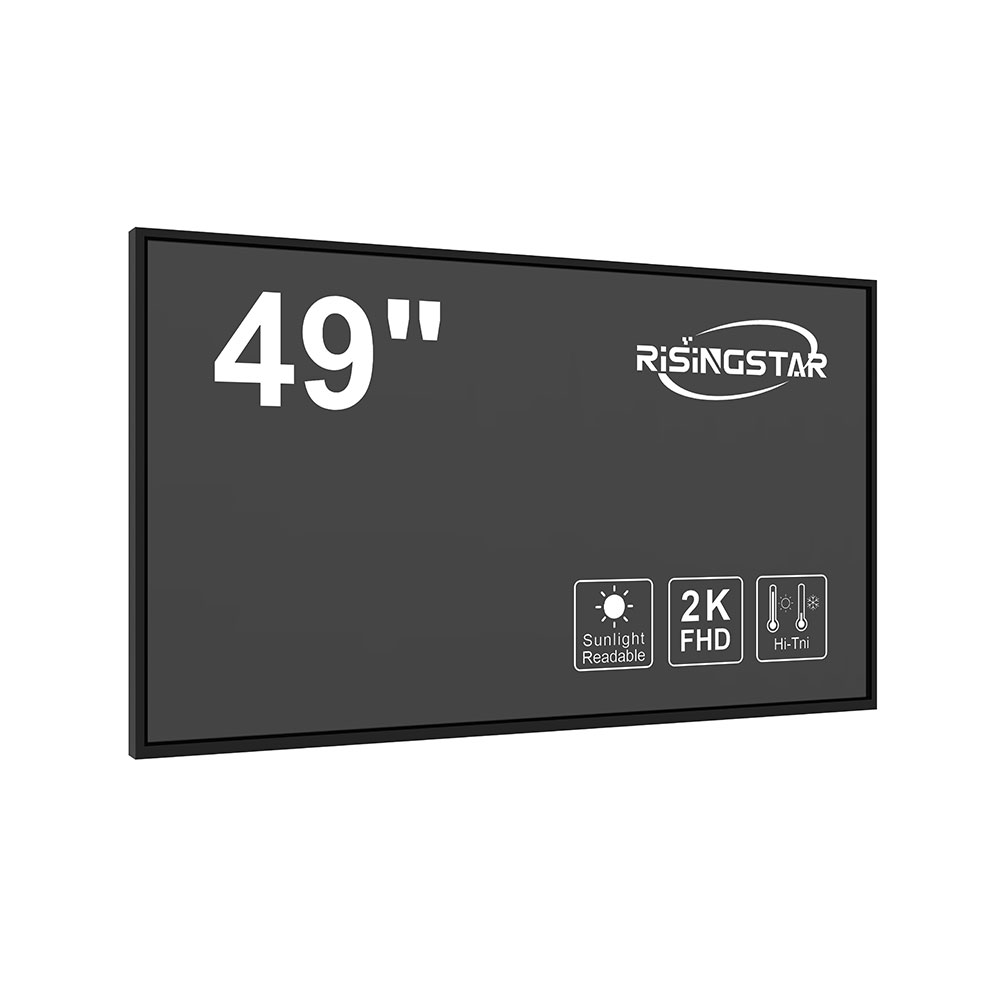
In industrial settings, these displays must also meet rigorous standards for durability and reliability. Many manufacturers now offer high brightness LCDs with IP65 or higher ratings for dust and water resistance, along with wide operating temperature ranges (from -30°C to +70°C). These ruggedized variants often use reinforced glass, anti-glare coatings, and corrosion-resistant materials to ensure long-term performance in demanding environments like oil rigs, mining operations, and agricultural equipment.
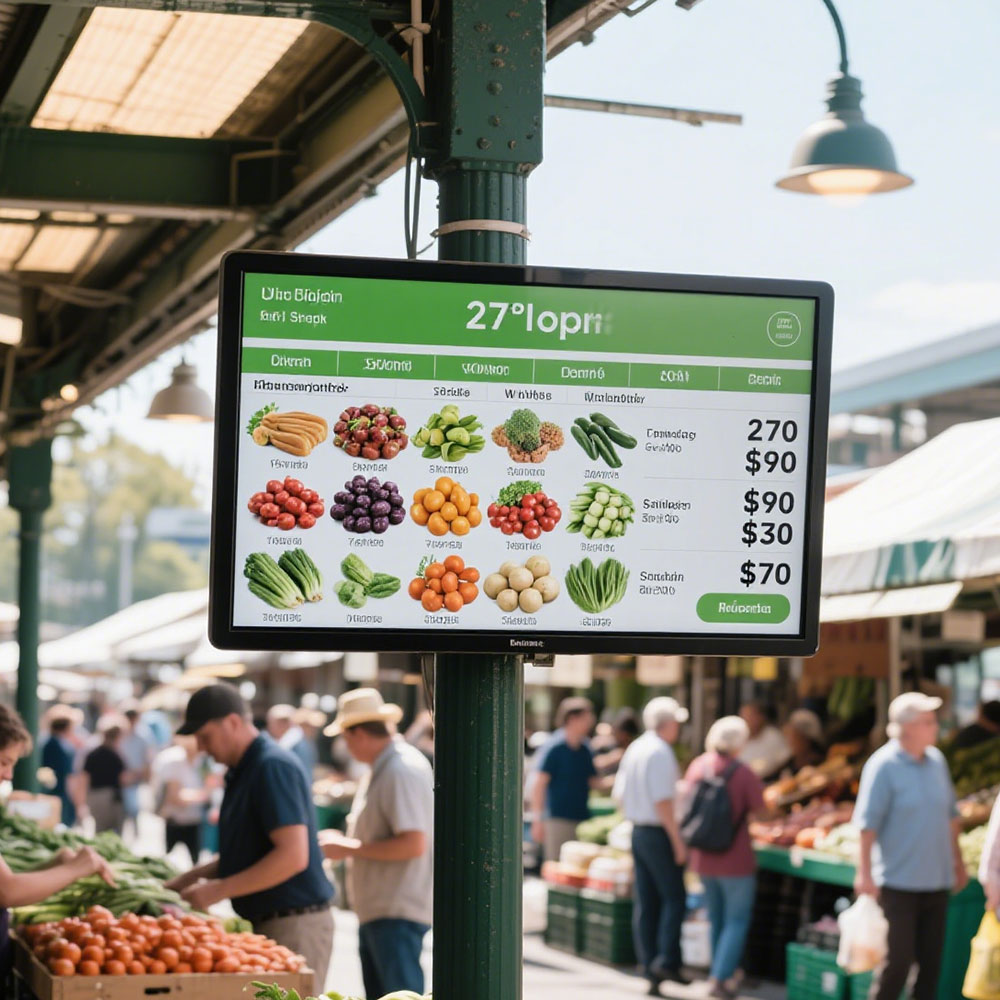
From a technical standpoint, high brightness LCDs benefit from improvements in panel technology—including IPS (In-Plane Switching) and VA (Vertical Alignment) panels—that enhance viewing angles and color accuracy while maintaining high luminance. Recent advancements in mini-LED backlights have further increased contrast ratios and reduced power consumption compared to older CCFL-based systems. For example, the LG Display 24-inch IPS panel with 3,000-nit brightness has been widely adopted in public transportation systems due to its superior image quality and low maintenance requirements.
Customer reviews across industrial electronics platforms consistently highlight the value of investing in high brightness displays. Users report fewer read errors in outdoor signage, improved operator safety in vehicles, and extended device lifespan in extreme conditions. According to a 2023 report by MarketsandMarkets, the global high-brightness LCD market is projected to grow at a CAGR of 7.2% through 2028, driven by demand from automotive, healthcare, and smart city sectors.
For integrators and OEMs, selecting the right high brightness LCD involves evaluating not only peak brightness but also response time, color gamut, and compatibility with existing control systems. Leading suppliers like Sharp, Samsung, and AU Optronics provide detailed technical datasheets and application-specific reference designs to streamline development cycles.
As digital interfaces continue to expand into non-traditional environments—from solar farms to autonomous vehicles—the role of high brightness LCDs will remain central to ensuring human-machine interaction remains clear, safe, and efficient.
上一篇:Understanding LCD Manufacturing Processes and Quality Control Standards
下一篇:Choosing the Right LCD Resolution for Your Display Needs