
How to Choose the Right LCD Display for Industrial Applications
When selecting an LCD display for industrial applications, it's crucial to consider not only screen size and resolution but also environmental durability, power efficiency, and long-term reliability. Unlike consumer-grade displays, industrial LCDs must operate reliably in extreme temperatures, high humidity, vibration, and dust exposure—conditions common in manufacturing plants, oil rigs, or outdoor equipment.
First, evaluate the operating environment. Industrial-grade LCDs are typically rated for temperatures ranging from -30°C to +70°C, whereas consumer models may fail below 0°C. Look for displays with IP65 or higher ingress protection ratings to ensure resistance against water and dust. For example, the LG Philips LNM154X01-001 panel is certified for industrial use with a wide temperature range and excellent contrast even under direct sunlight—a key factor for outdoor kiosks or vehicle dashboards.
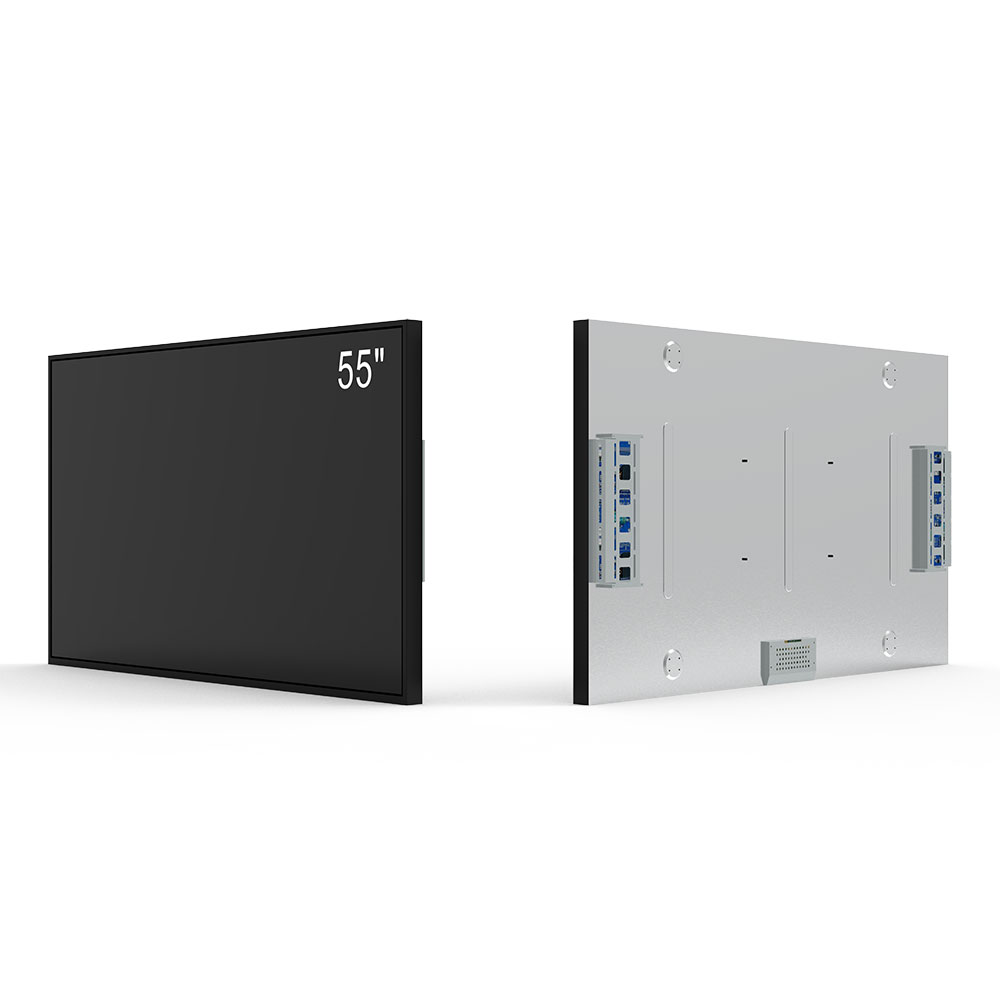
Second, prioritize brightness and viewing angles. In industrial settings, ambient lighting can vary dramatically—from dim indoor spaces to bright sunlight. A minimum of 2500 nits brightness is recommended for outdoor visibility, while 178° horizontal and vertical viewing angles reduce color distortion for multiple users. The Sharp LQ150X1LG11, widely used in factory control panels, offers both high brightness and wide viewing angles.
Third, assess longevity and support. Industrial applications demand 5–10 years of continuous operation without failure. Choose manufacturers that provide extended warranties (e.g., 5 years) and robust technical documentation. According to a 2023 IEC 60068 standard report, displays with MIL-STD-810G certification show superior shock and vibration resistance, making them ideal for mobile machinery or aerospace applications.
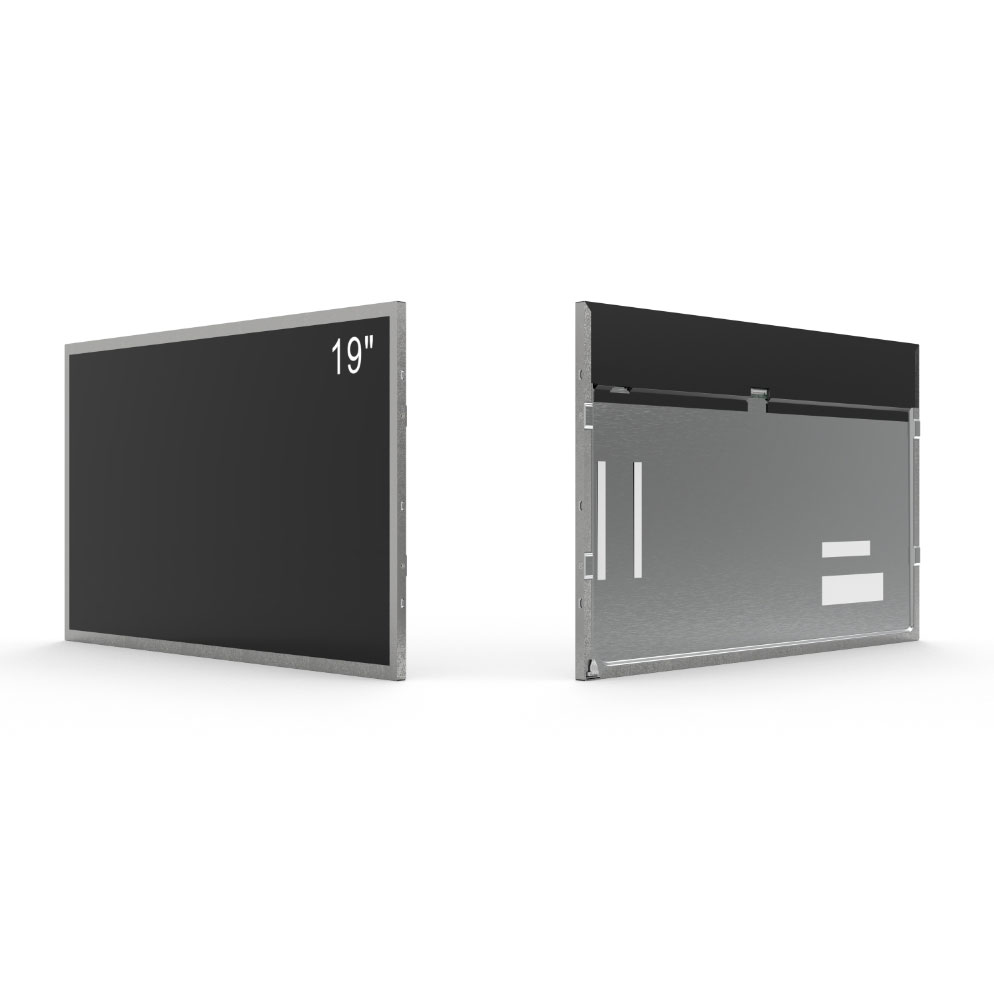
Lastly, integrate smart features like touch functionality, embedded controllers, and communication protocols such as RS-232 or CAN bus. These enhance automation capabilities and reduce system complexity. For instance, the Samsung LMS240W01-V02 includes resistive touch overlay and built-in signal processing—ideal for rugged handheld devices in logistics or field service.
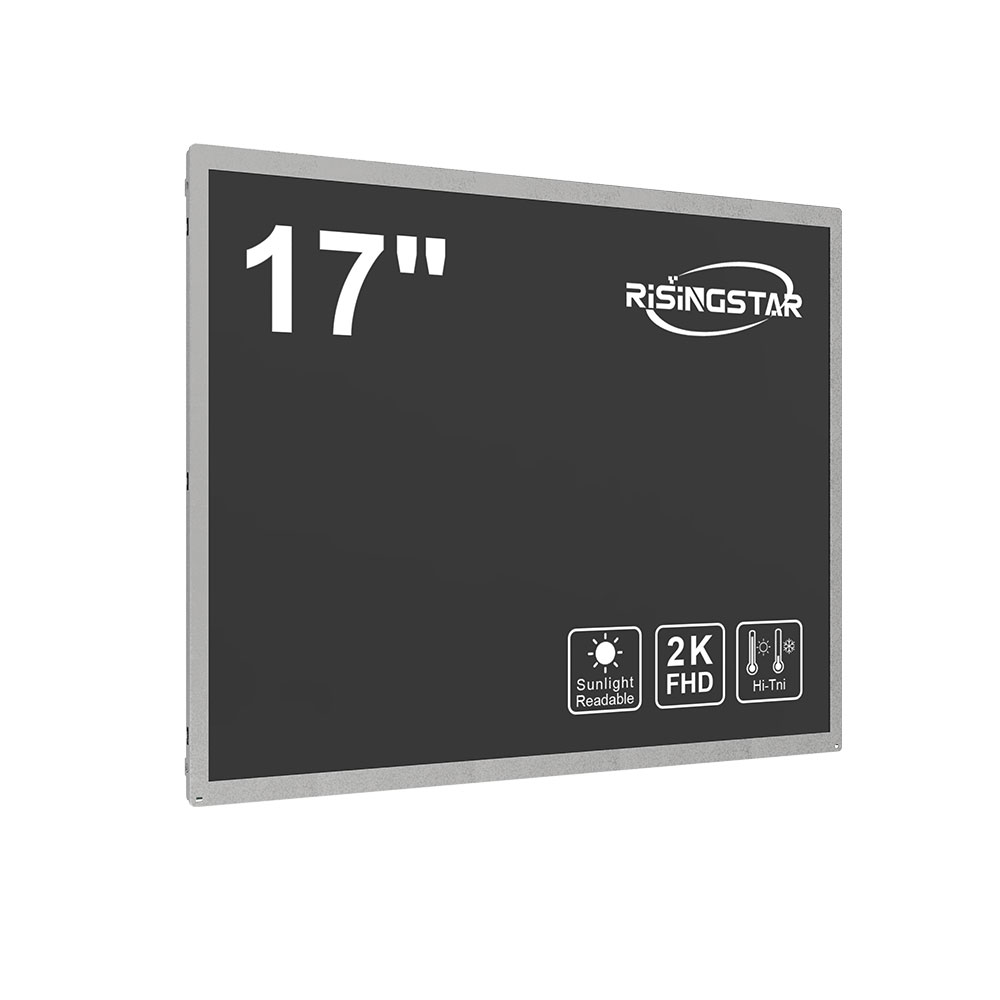
By focusing on environmental resilience, optical performance, product longevity, and integration flexibility, engineers and procurement teams can select the optimal LCD solution for demanding industrial environments. This approach minimizes downtime, reduces maintenance costs, and ensures consistent operational performance over time.