
Choosing the Right Display Resolution for Modern LCD Panels
In today’s rapidly evolving digital landscape, selecting the appropriate display resolution is critical for both consumer and professional applications. Whether you're setting up a home entertainment system, designing a workstation, or deploying industrial monitors, understanding the differences between 2K and 4K resolutions can significantly impact user experience, productivity, and cost efficiency.
2K resolution—typically referring to 2560 x 1440 pixels—is widely recognized as a premium standard for desktop displays and high-end laptops. It offers a substantial improvement over Full HD (1920 x 1080), delivering sharper images, smoother text rendering, and better color depth. For graphic designers, video editors, and software developers, 2K provides an ideal balance between performance and visual clarity without overloading system resources. Many modern LCD panels now support 2K at 60Hz or higher refresh rates, making them suitable for gaming and multitasking environments.
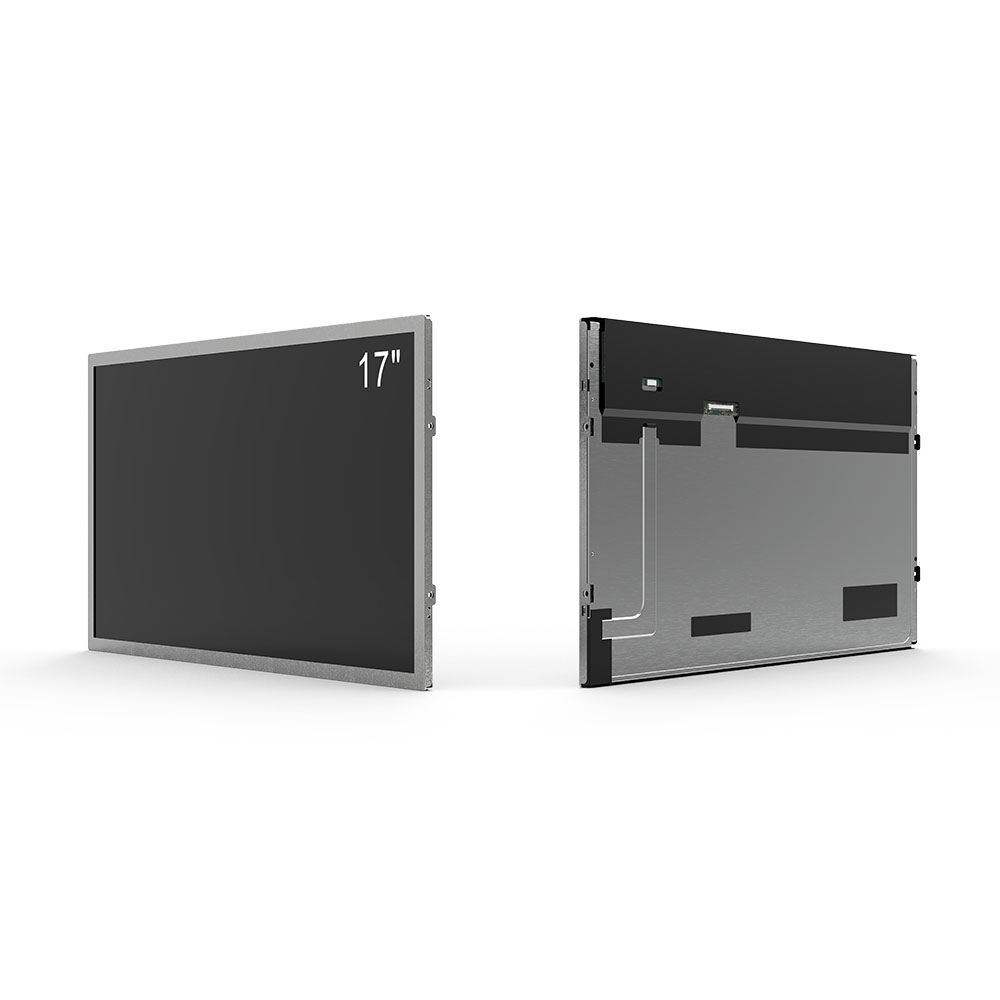
On the other hand, 4K resolution—defined as 3840 x 2160 pixels—is becoming increasingly popular in both consumer and commercial markets. With four times the pixel density of Full HD, 4K delivers cinematic-quality visuals that are particularly beneficial for media consumption, medical imaging, and professional design work. High-end LCD panels with 4K support often include advanced features like HDR (High Dynamic Range), wide color gamut (such as DCI-P3), and adaptive sync technologies (e.g., FreeSync or G-Sync). These enhancements make 4K ideal for content creators who demand precision and detail.
The choice between 2K and 4K should be guided by several factors: screen size, viewing distance, and hardware capabilities. For instance, on a 27-inch monitor viewed from 1–2 meters away, 2K may offer optimal clarity; however, for larger screens (32 inches or more), 4K ensures a seamless visual experience without visible pixelation. Additionally, GPUs and CPUs must be capable of driving 4K at acceptable frame rates—especially in gaming or real-time rendering scenarios.

Industry trends show that 2K remains a cost-effective solution for most users, while 4K is gaining traction in professional workflows and premium consumer devices. According to a 2023 report by Statista, over 60% of new LCD monitors shipped globally now support at least 2K resolution, with 4K adoption rising at a compound annual growth rate (CAGR) of 12%.

Ultimately, the decision depends on your use case: if you prioritize value and performance, go with 2K; if you require ultra-high-definition output for creative or technical tasks, choose 4K. Regardless, modern LCD technology continues to evolve rapidly, offering flexible resolution options tailored to diverse needs.