
Understanding the Strip Screen Series: Sizes, Applications, and Industry Trends
Strip screens have become a critical component in modern display technology, offering flexibility, clarity, and durability across diverse sectors such as retail, industrial automation, digital signage, and healthcare. The strip screen series spans a wide range of sizes—from compact 14.1-inch models to massive 86-inch displays—each engineered for specific use cases. These screens are commonly used in kiosks, control rooms, public transportation interfaces, and smart home systems due to their modular design and ease of integration.
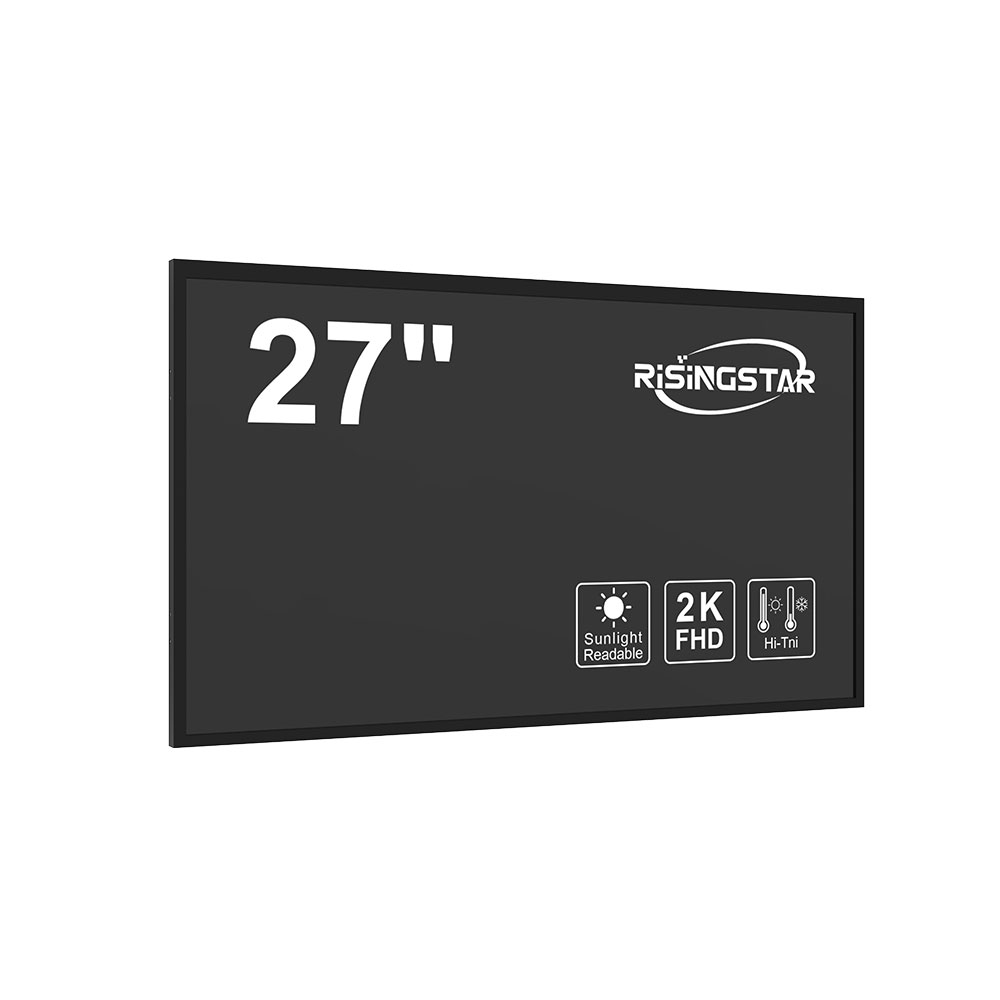
Among the most popular sizes are the 19-inch and 19.5-inch models, ideal for embedded applications where space is limited but high resolution is required. The 21.2-inch and 23.1-inch variants offer enhanced visibility for point-of-sale terminals and information boards in retail environments. For larger installations like command centers or factory floors, the 28.6-inch, 37-inch, and 43-inch models provide excellent image uniformity and brightness levels (typically exceeding 3000 nits), ensuring visibility even under harsh lighting conditions.
The 48.5-inch and 58.6-inch screens are increasingly adopted in commercial digital signage solutions, particularly in airports, malls, and hotels, where immersive visuals drive engagement. At the high end, 86-inch ultra-wide strip screens support 4K resolution and HDR capabilities, making them suitable for interactive dashboards, medical imaging, and professional video conferencing setups.
Manufacturers like LG, Samsung, and Innolux now produce strip screens using advanced IPS and OLED technologies that improve viewing angles, color accuracy, and energy efficiency. According to a 2023 report by MarketsandMarkets, the global strip display market is projected to grow at a CAGR of 8.2% through 2028, driven by demand for thin-profile, high-brightness panels in automotive infotainment and smart city infrastructure projects.
Environmental resilience is another key feature: many strip screens meet IP65 or higher ratings for dust and water resistance, allowing deployment in outdoor digital signage and industrial settings. Moreover, they often include features like touch sensitivity, built-in speakers, and USB-C power delivery, enhancing usability in multi-functional setups.
Whether you're designing a retail interface, an industrial control panel, or a public information system, selecting the right strip screen size depends on spatial constraints, ambient lighting, and intended user interaction. With ongoing innovations in LED backlighting, mini-LED, and micro-LED technologies, the future of strip screens looks brighter—and more versatile—than ever.
上一篇:Choosing the Right Display Resolution for Modern LCD Panels
下一篇:LCD Display Sizes and Aspect Ratios Explained for Modern Applications