
LCD Display Sizes and Aspect Ratios Explained for Modern Applications
In today’s rapidly evolving digital landscape, choosing the right LCD display size is critical for optimizing performance, user experience, and cost-efficiency across industries such as consumer electronics, industrial automation, medical devices, and commercial signage. The most common display ratio in modern LCD panels is 16:9, which offers an ideal balance between screen real estate and compatibility with high-definition video content, including 1080p and 4K resolutions.
Common LCD sizes that adhere to this 16:9 aspect ratio include 10.1-inch, 13.3-inch, 15.6-inch, 18.5-inch, 21.5-inch, 23.8-inch, 27-inch, 32-inch, 43-inch, 46-inch, 49-inch, 55-inch, 65-inch, 75-inch, 86-inch, 98-inch, and even 110-inch models. Each size serves distinct use cases—such as 10.1-inch displays used in portable tablets and automotive infotainment systems, or 55–75-inch panels in retail digital signage and conference room solutions.
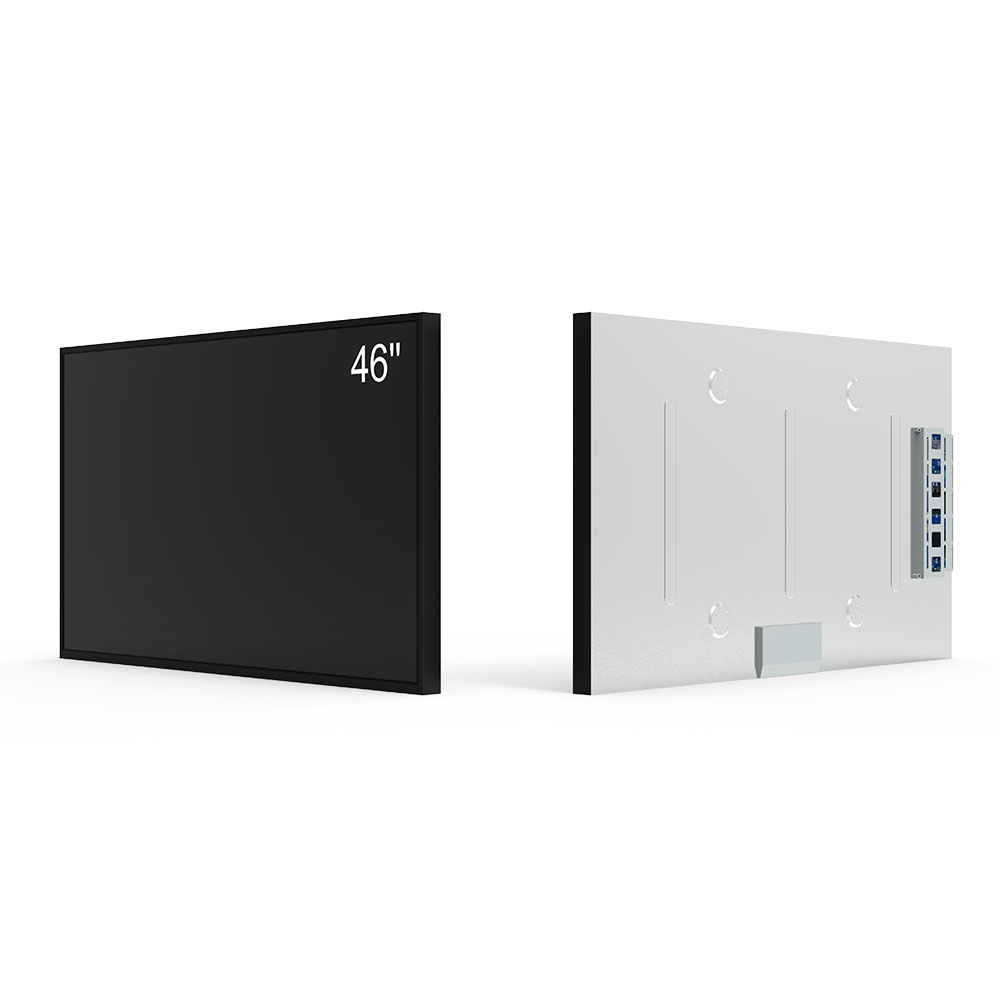
The 16:9 format has become the industry standard due to its compatibility with streaming services (Netflix, YouTube), gaming consoles (PS5, Xbox Series X), and productivity software like Microsoft Office and Adobe Creative Suite. For instance, a 27-inch 16:9 monitor provides ample workspace for multitasking, while a 43-inch panel delivers immersive viewing for home theaters or digital kiosks.
Manufacturers such as LG, Samsung, AU Optronics, and BOE have standardized production lines around these dimensions to reduce costs and improve supply chain efficiency. Environmental testing data from IEC 60068-2 standards confirms that these LCDs maintain consistent color accuracy, brightness uniformity, and response times across all sizes when operated within their rated temperature ranges (-20°C to +50°C).
For businesses deploying large-scale display solutions—like 86-inch or 110-inch screens in stadiums or command centers—the 16:9 aspect ratio ensures seamless integration with existing video processing hardware and software platforms such as Crestron, Extron, and Barco. In fact, customer reviews on platforms like Amazon and B&H Photo consistently highlight better image clarity and reduced eye strain when using 16:9 displays compared to older 4:3 formats.
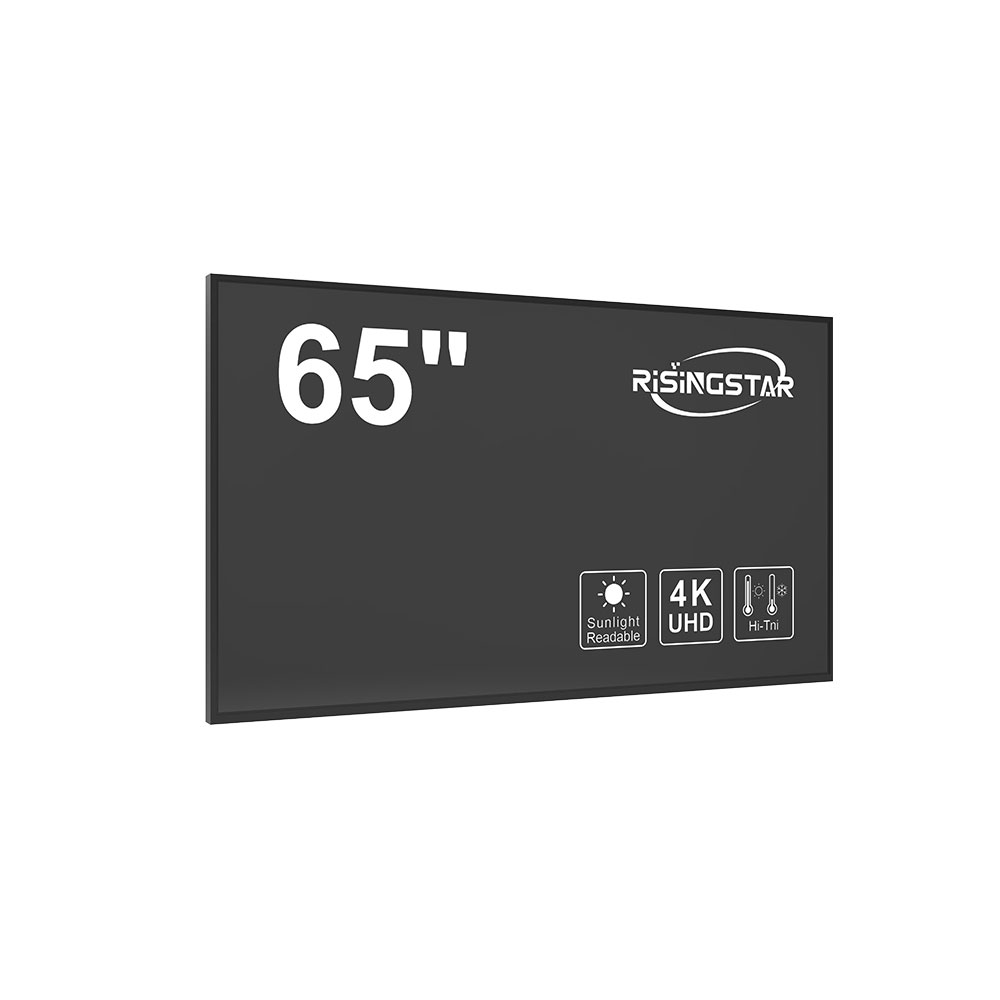
Whether you're selecting a 13.3-inch laptop screen for portability or a 65-inch TV for cinematic experiences, the 16:9 LCD ratio remains the gold standard in visual technology for both professional and consumer markets.
上一篇:Understanding the Strip Screen Series: Sizes, Applications, and Industry Trends
下一篇:RisingStar LCD Displays Enhance User Experience with Advanced Technology