
Choosing the Right 4:3 Aspect Ratio LCD Monitor for Professional and Industrial Use
When selecting an LCD monitor for specialized applications such as industrial control systems, medical imaging, or legacy software environments, the display ratio is a critical specification that directly impacts usability, compatibility, and user productivity. Among the most commonly used ratios in professional settings is the 4:3 aspect ratio—a standard that predates widescreen displays and remains essential for many tasks requiring precise vertical space utilization.
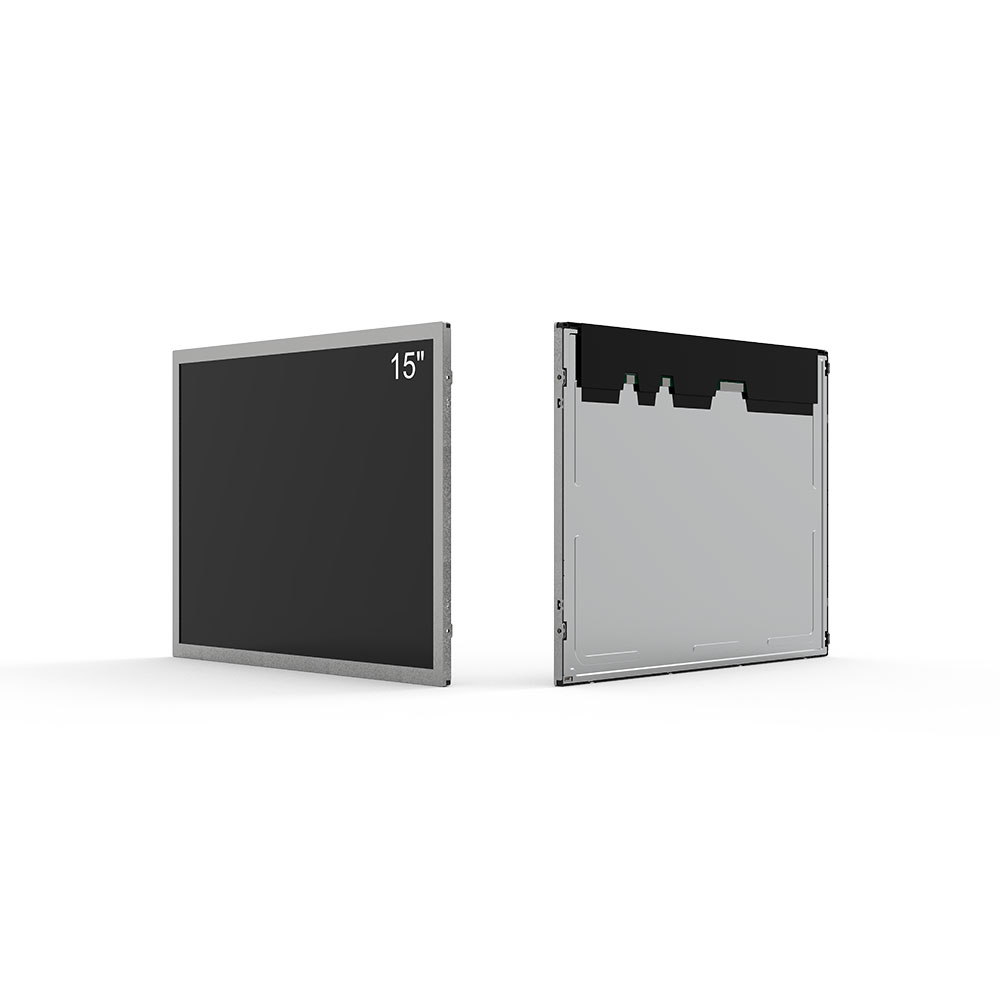
Monitors with 4:3 aspect ratios are typically available in sizes such as 15", 17", and 19", each offering distinct advantages depending on the use case. A 15-inch 4:3 monitor provides compactness and portability while maintaining sufficient resolution (commonly 1024×768) for basic office tasks and embedded systems. Its small footprint makes it ideal for kiosks, point-of-sale terminals, or retrofitting older equipment where screen real estate must be minimized without sacrificing readability.
The 17-inch model strikes a balance between size and clarity, often delivering 1280×1024 resolution—ideal for CAD workstations, laboratory data visualization, and digital signage where vertical information density matters more than horizontal width. Many industrial-grade 17" 4:3 displays also feature enhanced brightness (up to 400 cd/m²), wide viewing angles (170°), and ruggedized housings suitable for factory floors or mobile command units.
For users needing maximum screen real estate within the 4:3 format, the 19-inch variant offers a 1440×1080 resolution option (though less common than 1280×1024), making it well-suited for legacy ERP systems, financial dashboards, or museum exhibit interfaces. These monitors frequently support D-Sub (VGA) and sometimes DisplayPort inputs, ensuring compatibility with older hardware found in government, healthcare, and educational institutions.
Importantly, choosing a 4:3 LCD over a modern 16:9 or 16:10 panel avoids image distortion when running older applications designed around this traditional aspect ratio. For example, Microsoft Windows XP-era applications, AutoCAD drawings, or hospital patient monitoring tools may render improperly on widescreen displays due to letterboxing or stretching.
In summary, the 4:3 aspect ratio remains relevant—not obsolete—in sectors demanding precision, backward compatibility, and efficient vertical layout. Whether you're deploying a 15", 17", or 19" unit, understanding your specific application’s resolution needs, environmental conditions (e.g., ambient light, dust exposure), and integration requirements ensures optimal performance and longevity. Leading manufacturers like LG, Dell, and NEC continue to produce reliable 4:3 industrial monitors, underscoring their enduring value in mission-critical environments.