
How to Choose the Right LCD Panel for Your Display Needs
When selecting an LCD panel for your display application, whether it's for consumer electronics, industrial control systems, or medical devices, several critical factors must be considered to ensure optimal performance and longevity. First, evaluate the resolution requirements—common resolutions like HD (1280x720), Full HD (1920x1080), and 4K (3840x2160) influence not only image clarity but also power consumption and processing demands. For instance, a 4K panel in a portable device may drain battery faster than a Full HD alternative, making it essential to balance visual quality with efficiency.
Next, consider the panel type. TN (Twisted Nematic) panels offer fast response times and are cost-effective, ideal for gaming monitors, but suffer from narrow viewing angles and poor color accuracy. IPS (In-Plane Switching) panels provide superior color reproduction and wide viewing angles, making them suitable for professional design work and medical imaging. VA (Vertical Alignment) panels strike a middle ground with high contrast ratios and better black levels than TN, though they can have slower response times. Understanding your use case helps determine which technology fits best.
Brightness and contrast ratio are equally vital. A typical indoor display might require 250–300 cd/m² brightness, while outdoor applications need at least 500 cd/m² to combat ambient light. Contrast ratios above 3000:1 are recommended for dynamic content such as video playback or graphic design. Additionally, check for uniformity—especially in large panels where backlight bleed or color inconsistency can degrade user experience.
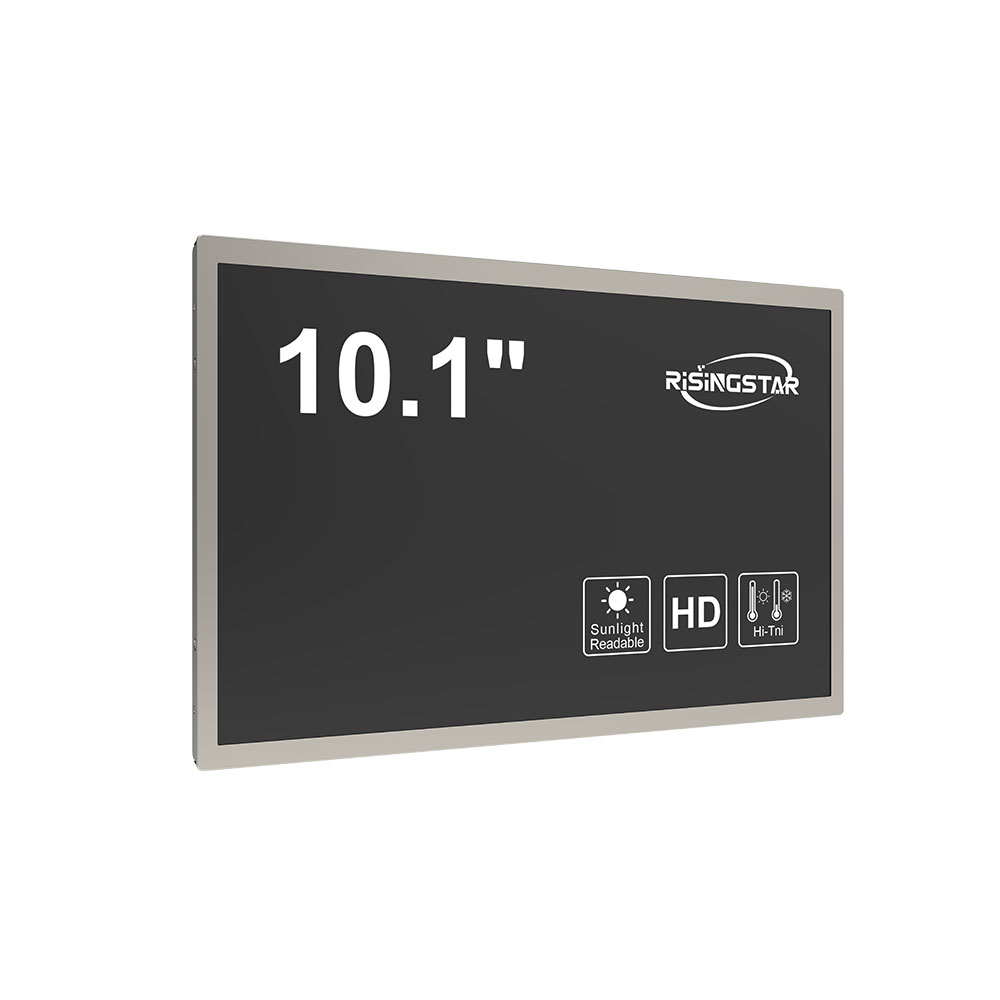
Environmental durability matters for industrial or automotive settings. Look for panels rated IP65 or higher for dust and water resistance, and ensure operating temperature ranges match your deployment environment—from -20°C to 70°C for ruggedized units. Certifications like RoHS and ISO 14001 indicate compliance with environmental standards and safe manufacturing practices.
Finally, review supplier reliability and support. Leading manufacturers such as LG Display, BOE Technology, and Innolux provide comprehensive technical documentation, long-term availability, and responsive customer service. Case studies from industries like automotive infotainment show that partnering with experienced suppliers reduces integration risks and accelerates time-to-market.
By systematically analyzing resolution, panel type, brightness, environmental resilience, and supplier credibility, you can confidently choose an LCD panel that meets both current needs and future scalability.
上一篇:How to Choose the Right LCD Panel for Your Display Application
下一篇:Industrial-Grade LCD Screens with 50,000-Hour Lifespan and 5,000 Nits Brightness