
Understanding 4:3 Aspect Ratio LCD Displays for Professional and Industrial Use
In the world of display technology, the 4:3 aspect ratio remains a critical format for specialized applications such as industrial control systems, medical imaging, and legacy computing environments. Unlike modern widescreen displays with 16:9 or 18:9 ratios, 4:3 screens offer a more square-like layout that aligns better with traditional software interfaces, spreadsheets, and text-based workflows. Common sizes like 15", 17", and 19" remain widely used in sectors where screen real estate and compatibility are prioritized over cinematic visuals.
For example, a 15-inch 4:3 LCD monitor typically provides a resolution of 1024×768 pixels—a standard that was dominant in the early 2000s and still serves many embedded systems today. A 17-inch variant increases workspace without significantly increasing physical footprint, making it ideal for point-of-sale (POS) terminals, digital signage in retail, or kiosks. Meanwhile, a 19-inch model offers even greater pixel density and clarity, often found in industrial automation panels or laboratory equipment where precision is key.
The durability and reliability of 4:3 displays also make them attractive in harsh environments. Many manufacturers use LED-backlit TN or IPS panels rated for extended operating temperatures (-10°C to +60°C), ensuring stable performance in manufacturing plants, outdoor installations, or military applications. These displays frequently meet IP65 or higher ingress protection standards, which protect against dust and water splashes—critical in food processing, construction, or marine industries.
From a user perspective, 4:3 monitors provide better vertical space for documents, spreadsheets, and CAD drawings compared to widescreen alternatives. For instance, when using Microsoft Excel or AutoCAD, users can view more rows and columns simultaneously, reducing scrolling and improving productivity. Furthermore, these displays often support VGA, DVI, and HDMI inputs, enabling seamless integration into existing infrastructure without requiring costly upgrades.
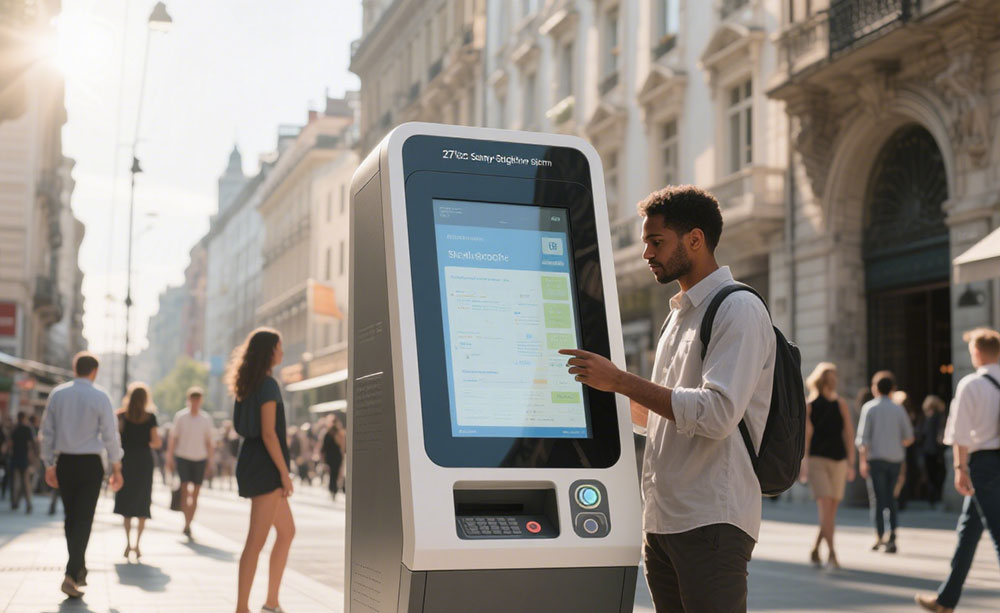
Leading brands such as LG, Dell, and NEC continue to supply 4:3 LCD panels for niche markets, though availability may be limited compared to mainstream widescreen options. Customers seeking these displays should prioritize models certified under ISO 9001 and RoHS compliance to ensure quality and environmental safety. According to a 2023 report by Market Research Future, the industrial display market for 4:3 formats is projected to grow at 4.3% CAGR through 2030, driven by demand from healthcare, manufacturing, and public infrastructure projects.
Whether you're replacing aging hardware or designing a new system, choosing a 15", 17", or 19" 4:3 LCD display ensures compatibility, ergonomic efficiency, and long-term value in mission-critical applications.
上一篇:Outdoor LCD Digital Signage Manufacturer
下一篇:没有了