
Understanding LCD Panel Technology and Its Impact on Modern Displays
LCD (Liquid Crystal Display) panels have become the backbone of modern visual technology, powering everything from smartphones and televisions to industrial monitors and automotive dashboards. At their core, LCDs operate by manipulating liquid crystals—molecules that align in response to electric currents—to control the passage of light through each pixel. This precise control allows for high-resolution images with excellent color accuracy and energy efficiency.
The evolution of LCD technology has been driven by three major factors: manufacturing advancements, demand for higher performance, and environmental sustainability. For example, the shift from TN (Twisted Nematic) to IPS (In-Plane Switching) panels improved viewing angles and color consistency, while VA (Vertical Alignment) panels offer superior contrast ratios ideal for media consumption. Recent innovations like Mini-LED backlighting and quantum dot enhancement further push the boundaries of brightness, color gamut, and local dimming capabilities.
Manufacturers such as LG Display, BOE Technology, and Samsung Display are leading global production, supplying panels used in Apple’s iPads, Sony TVs, and Tesla’s vehicle infotainment systems. Industry reports from IHS Markit and TrendForce highlight that over 90% of all flat-panel displays produced today use LCD technology due to its cost-effectiveness and maturity compared to OLED alternatives. However, challenges remain—such as limited black levels compared to OLED and potential motion blur in fast-moving content—which continue to drive R&D efforts toward hybrid technologies like QLED and Micro-LED.
Environmental considerations are also shaping LCD development. The European Union’s RoHS directive and the U.S. EPA’s ENERGY STAR program mandate reduced lead content and lower power consumption, prompting manufacturers to adopt eco-friendly materials and design practices. Rigorous testing—including temperature cycling, humidity exposure, and drop resistance—ensures reliability in diverse environments, from Arctic research stations to desert solar farms.
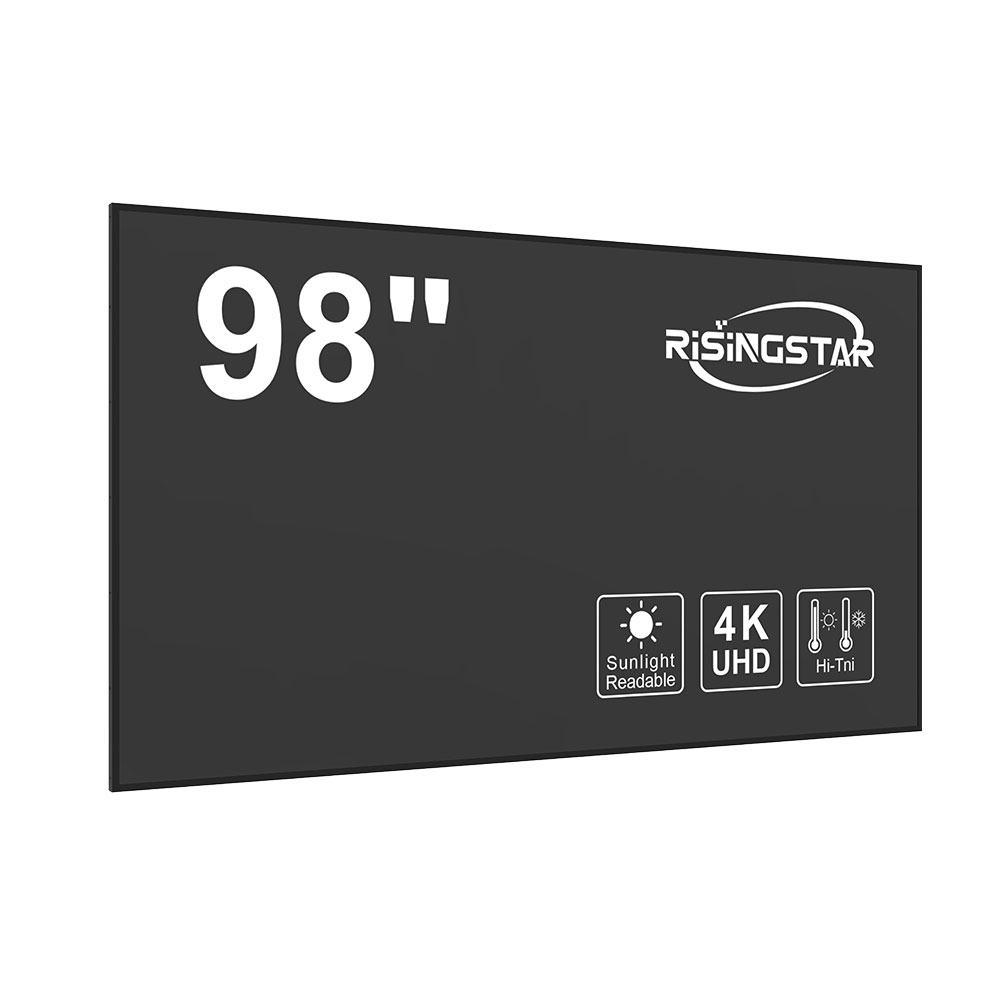
For consumers, understanding LCD panel types helps in making informed purchasing decisions. Whether you're choosing a monitor for professional graphic design (IPS recommended), a home theater display (VA preferred), or a rugged outdoor device (TN or specialized hardened panels), matching panel technology to use case is critical. Reviews from trusted sources like DisplayMate, RTINGS, and CNET consistently emphasize that panel quality—not just resolution—determines real-world image performance.
As the industry moves toward smarter, more efficient displays, LCD technology remains a vital component of our digital ecosystem. With ongoing innovation and increasing integration into IoT devices, wearables, and AR/VR hardware, LCDs will likely remain dominant for years to come.
上一篇:High-Brightness LCD Displays for Harsh Environments – 5000 Nits, IP68 Waterproof, 240-Hour Testing
下一篇:没有了