
Industrial Grade LCD Displays for Harsh Environments and High-Reliability Applications
In today’s connected world, reliable and durable display solutions are essential across a wide range of industries—from public transportation to retail and energy infrastructure. Industrial-grade LCD displays have become the backbone of modern digital signage and control systems due to their ability to operate consistently in extreme conditions while delivering high clarity, brightness, and longevity.
These displays are specifically engineered for environments where standard consumer-grade screens would fail—such as outdoor kiosks exposed to UV radiation, temperature swings, and moisture; or bus and train passenger information systems that must remain functional 24/7 under vibration and power fluctuations. For example, railway stations and subways use industrial LCDs for real-time arrival updates, emergency alerts, and wayfinding, ensuring passenger safety and operational efficiency. Similarly, EV charging kiosks and gas pumps rely on ruggedized displays that resist dust, water ingress (IP65 rating), and accidental impacts while maintaining touch responsiveness in all weather conditions.
Retail and real estate sectors benefit from these displays by deploying them in high-footfall areas like shopping malls, supermarkets, and property showrooms. Here, they provide dynamic product promotions, interactive floor plans, and tenant directories—all with consistent performance even under continuous use. In outdoor digital signage applications such as billboards or transit shelters, brightness levels often exceed 5,000 nits to ensure visibility in direct sunlight, while wide viewing angles and anti-glare coatings enhance readability from multiple perspectives.
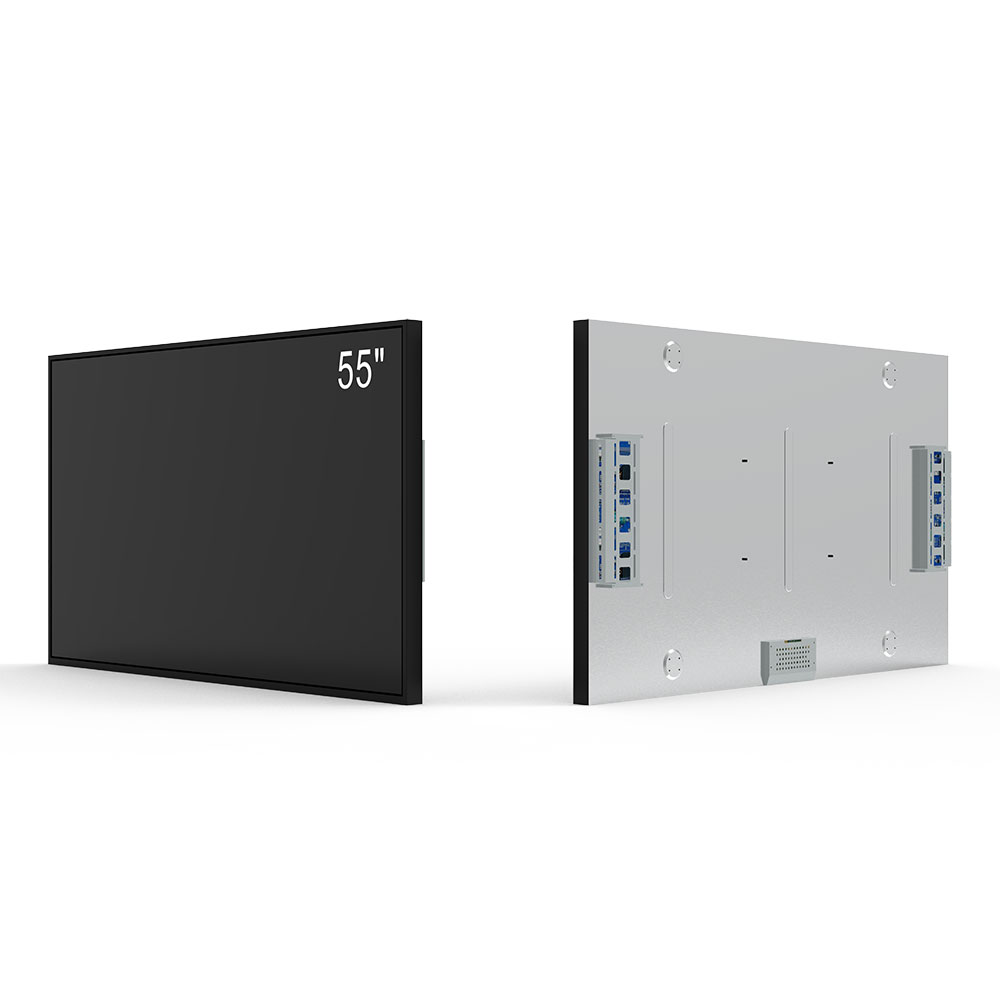
Manufacturers now integrate advanced technologies such as LED backlighting, cold-weather start-up capabilities (down to -30°C), and long-life IPS panels to meet ISO 16750 and MIL-STD-810G standards. These specifications ensure not only durability but also compliance with global safety and environmental regulations. Additionally, remote monitoring and firmware-over-the-air (OTA) update features allow fleet managers to maintain thousands of units centrally—an essential advantage in large-scale deployments like intercity rail networks or nationwide retail chains.
With increasing demand for smart cities, sustainable transport, and contactless interfaces, industrial LCDs are no longer optional—they are mission-critical. Whether it's an outdoor TV in a parking lot or a digital menu board in a fast-food chain, choosing the right display means investing in uptime, user experience, and long-term ROI.
上一篇:How to Choose the Right LCD Display for Industrial Equipment Applications
下一篇:How to Choose the Right LCD Display for Industrial Applications