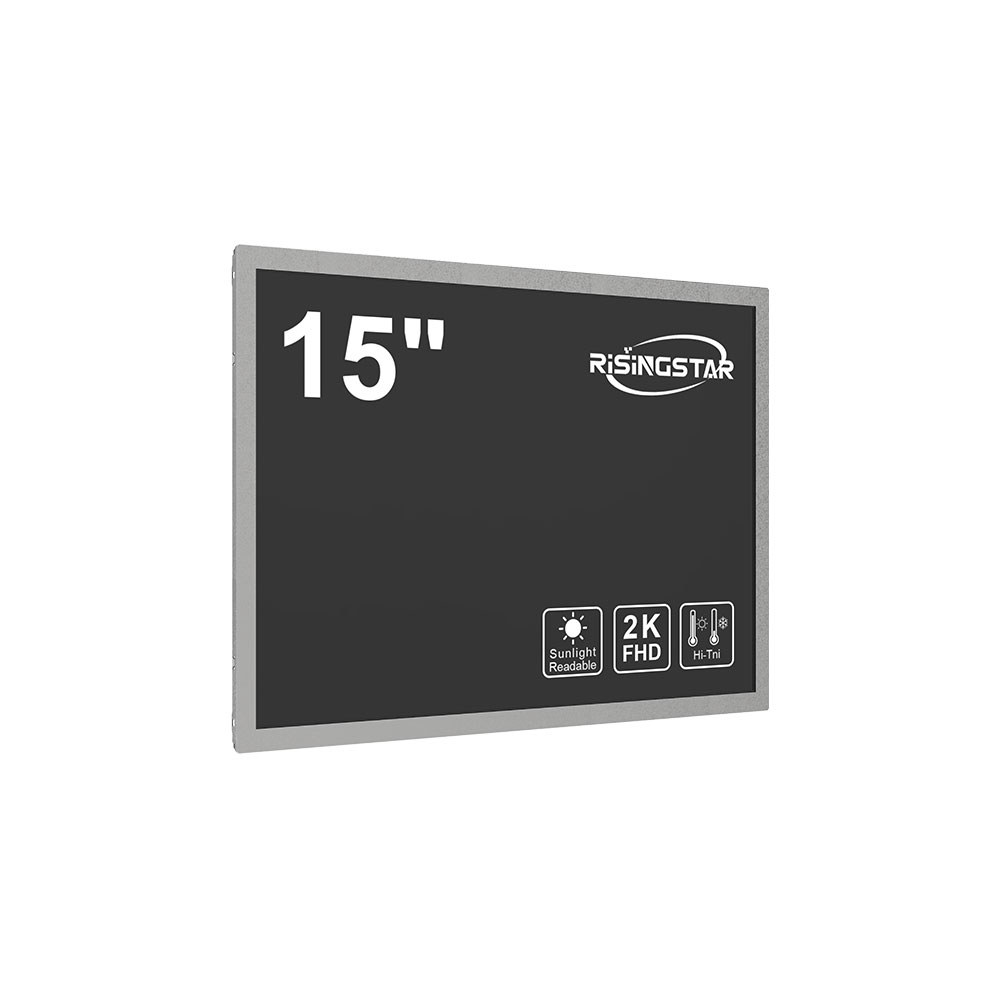
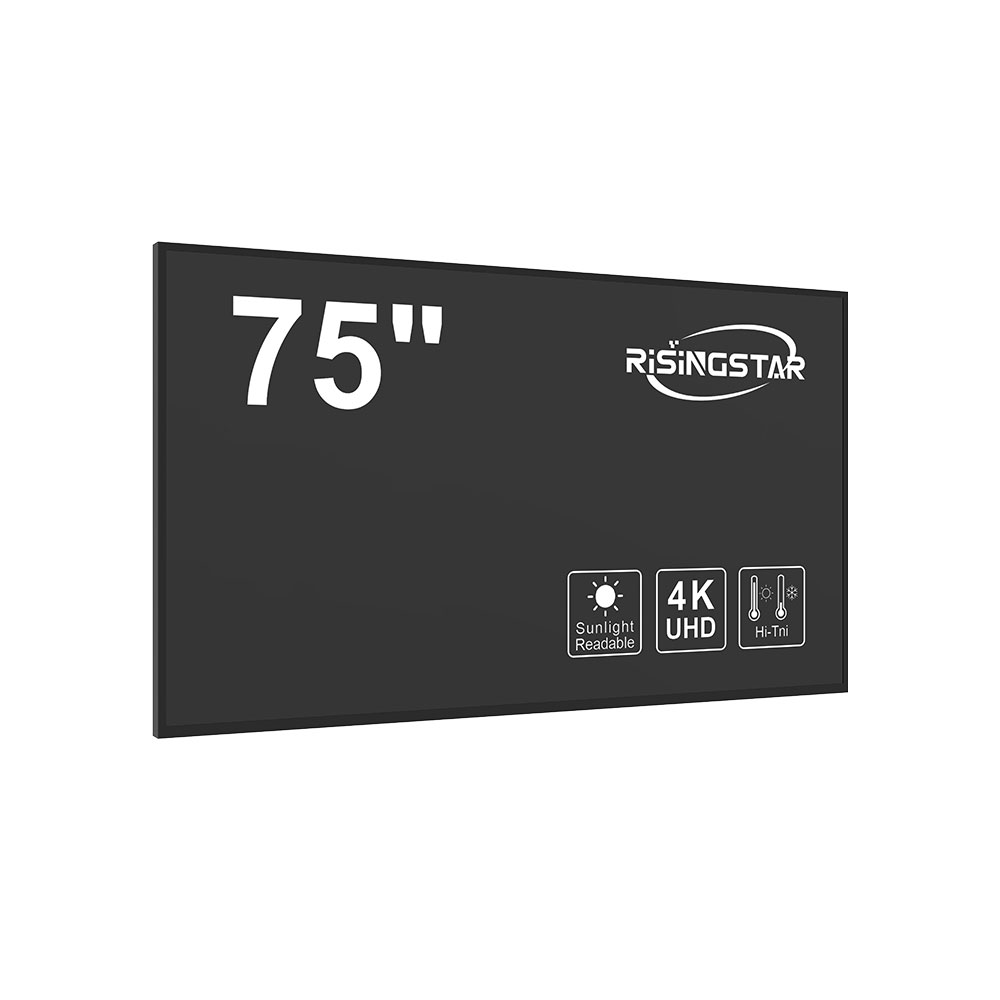
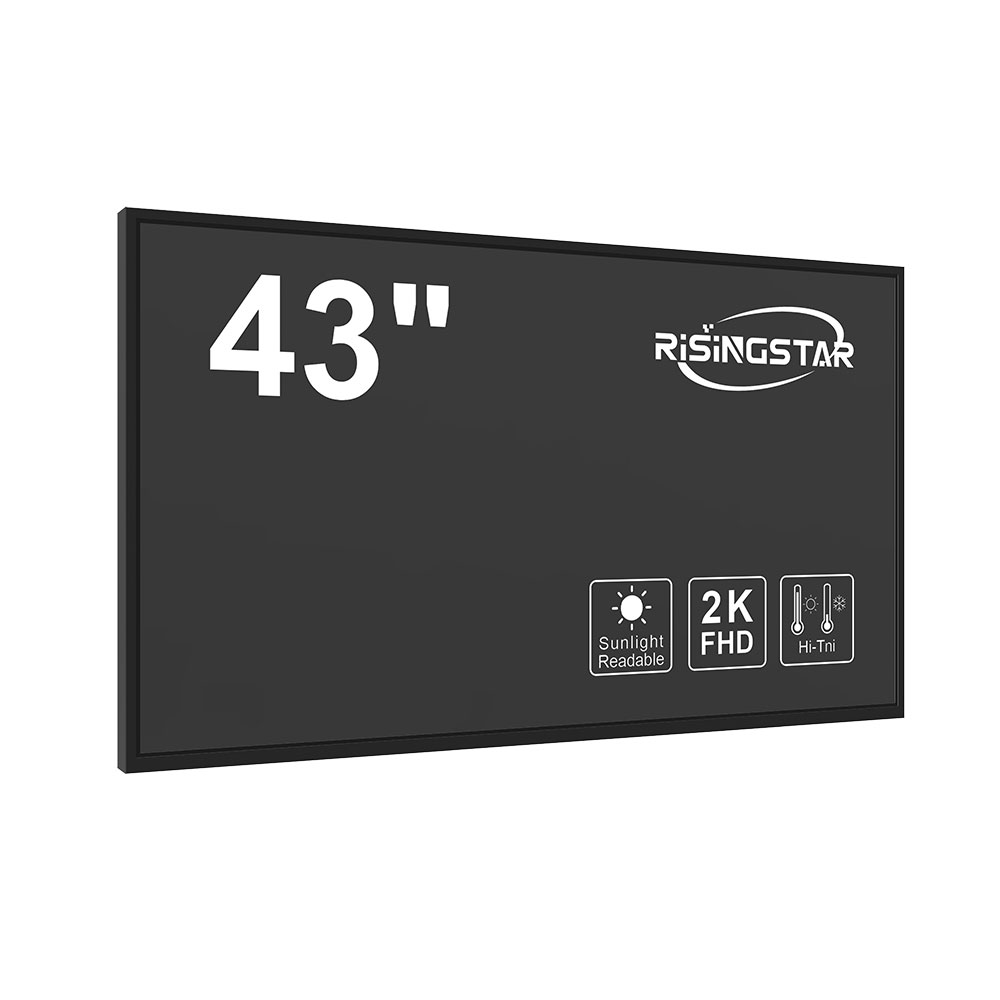
In today’s digital age, liquid crystal display (LCD) technology remains one of the most widely used and cost-effective display solutions across consumer electronics, industrial systems, automotive interfaces, and medical devices. From smartphones and tablets to large-format monitors and digital signage, LCDs continue to play a critical role due to their energy efficiency, high resolution capabilities, and adaptability across diverse environments.
LCDs operate by manipulating the alignment of liquid crystal molecules using electric fields to control light passage through polarized filters. This principle, first developed in the 1960s and commercialized in the 1980s, has evolved significantly with innovations in backlighting, panel types (TN, IPS, VA), and manufacturing techniques like thin-film transistor (TFT) integration. These advancements have enabled higher contrast ratios, faster response times, and improved color accuracy—making LCDs competitive even against newer technologies like OLED and MicroLED.
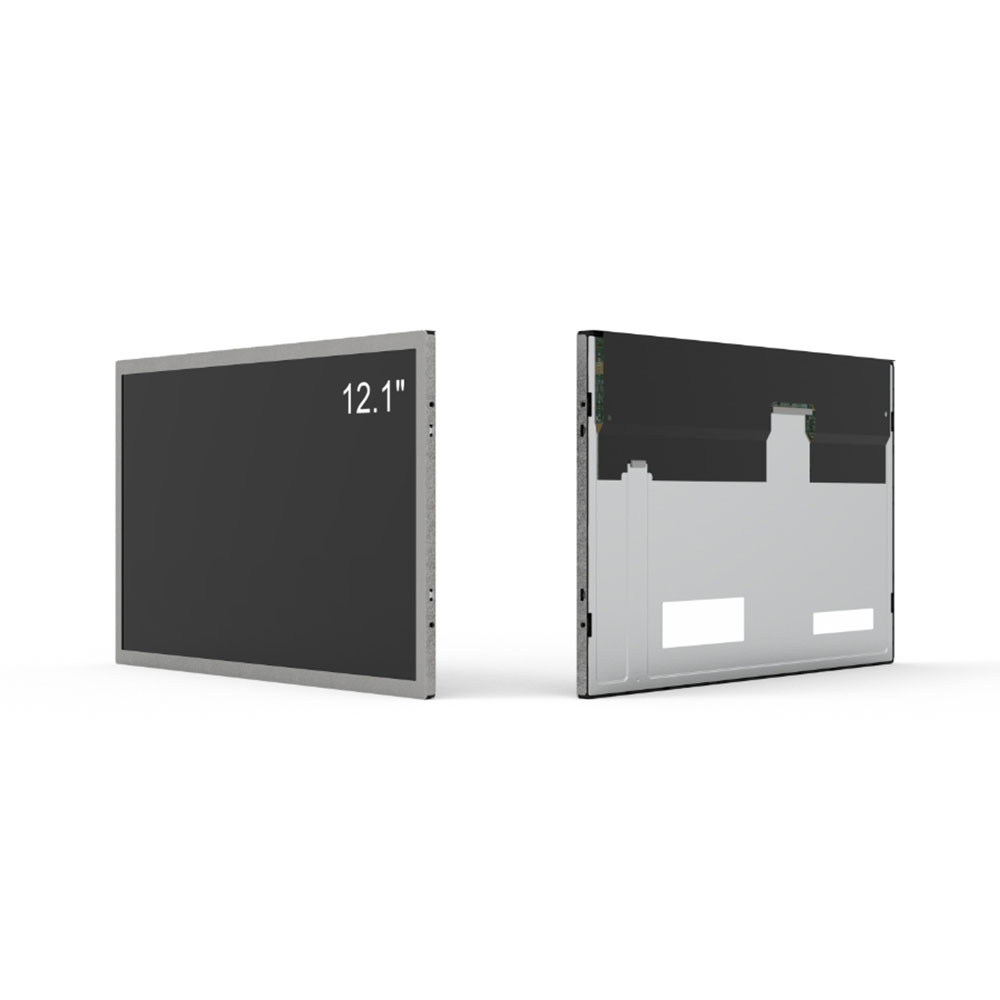
One of the key reasons for LCD dominance is its maturity in production. With over three decades of refinement, LCD panels are manufactured at scale, reducing unit costs while maintaining consistent quality. For example, Samsung Display, LG Display, and BOE Tech are among the top global suppliers producing millions of units monthly, ensuring supply chain stability and rapid deployment in mass-market applications.
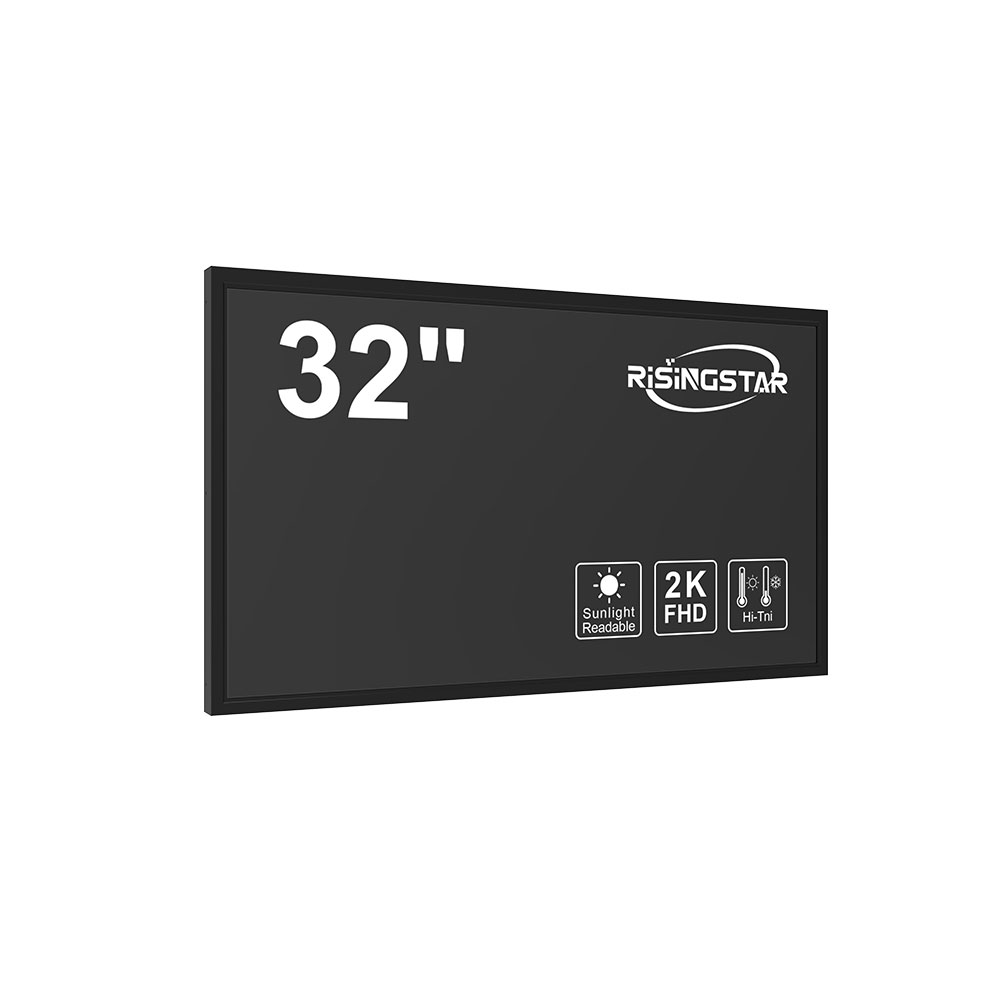
The modern LCD ecosystem includes multiple subtypes tailored to specific use cases. Twisted Nematic (TN) panels offer fast response times and low cost but limited viewing angles and poor color reproduction—ideal for gaming monitors or budget-friendly displays. In contrast, In-Plane Switching (IPS) panels deliver superior color accuracy and wide viewing angles, making them the preferred choice for graphic design, photography, and professional video editing. Vertical Alignment (VA) panels strike a balance between contrast and response time, often found in home theater setups where deep blacks and vibrant colors are essential.
Backlighting technology has also undergone significant transformation. Early LCDs relied on cold cathode fluorescent lamps (CCFLs), which were bulky and less energy-efficient. Today, LED-backlit LCDs dominate the market, offering uniform brightness, longer lifespan, and better power management. Edge-lit LEDs reduce thickness for sleek designs, while full-array local dimming (FALD) enhances contrast by dynamically adjusting brightness per zone—a feature now standard in premium TVs and monitors.
Environmental considerations are increasingly influencing LCD development. Manufacturers are shifting toward mercury-free components and recyclable materials, aligning with global regulations such as RoHS (Restriction of Hazardous Substances). Additionally, energy consumption standards like ENERGY STAR and EPEAT encourage manufacturers to optimize power usage without compromising visual performance.
In industrial settings, ruggedized LCDs with wide operating temperature ranges (-20°C to +70°C), dust and water resistance (IP65 rating), and anti-glare coatings ensure reliable operation in harsh conditions. These features make LCDs indispensable in factory automation, transportation, and outdoor kiosks.
Medical imaging is another sector benefiting from LCD innovation. High-resolution, medical-grade LCDs (often certified under IEC 60601-1-2 for electromagnetic compatibility) provide accurate visualization for diagnostic tools like ultrasound machines and MRI scanners. Their ability to reproduce grayscale tones precisely supports radiologists in detecting subtle anomalies.
Automotive applications have seen rapid adoption of LCDs for dashboard displays, infotainment systems, and head-up displays (HUDs). Automotive LCDs must meet stringent standards such as AEC-Q100 for reliability under vibration and thermal stress. Features like sunlight readability, touch sensitivity, and low power consumption further enhance their utility in vehicles.
Despite competition from OLEDs, which offer deeper blacks and faster refresh rates, LCDs maintain advantages in longevity, burn-in resistance, and overall cost-effectiveness. OLED panels suffer from image retention and degradation over time—particularly when displaying static content such as logos or menus—which limits their lifespan in certain commercial applications. LCDs, however, remain stable under prolonged use and are easier to replace in modular systems.
Recent developments include mini-LED and micro-LED backlights that bridge the gap between traditional LCD and OLED performance. Mini-LED arrays offer thousands of dimming zones, improving contrast dramatically while retaining LCD’s structural durability. Similarly, micro-LED technology promises pixel-level control akin to OLED but with greater brightness and no risk of burn-in.
Looking ahead, smart LCDs integrated with AI-based content optimization, adaptive brightness sensors, and IoT connectivity are becoming more prevalent. These features allow dynamic adjustment of display parameters based on ambient lighting, user behavior, and application context—enhancing both usability and energy efficiency.
In conclusion, LCD technology continues to evolve beyond basic functionality into intelligent, adaptive systems that serve a broad spectrum of industries. Whether powering everyday consumer devices or mission-critical infrastructure, LCDs remain a versatile, scalable, and sustainable solution. As new materials and fabrication methods emerge—such as quantum dot-enhanced panels and flexible substrates—the future of LCDs looks brighter than ever.