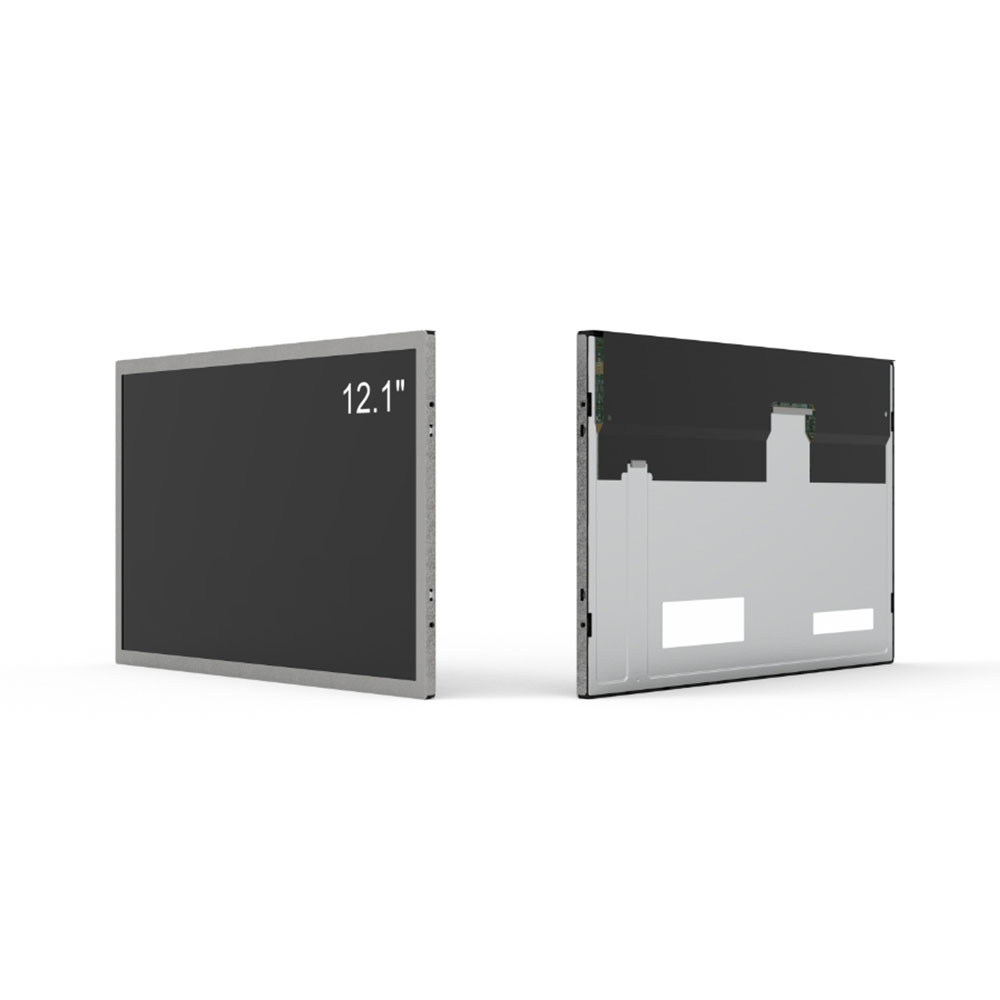
LCD panel manufacturing is a complex, multi-stage process that combines advanced materials science, precision engineering, and rigorous quality assurance. From raw material sourcing to final testing, each step must meet strict industry standards to ensure display performance, longevity, and visual clarity. This article explores the key stages of LCD panel production, highlights critical quality control measures, and discusses how manufacturers meet global demands for reliability and efficiency.
The process begins with glass substrate preparation—typically using high-purity soda-lime or borosilicate glass. These substrates are cleaned and coated with a thin layer of indium tin oxide (ITO), which acts as a transparent conductor for pixel electrodes. Next, photolithography defines the pixel array by etching patterns onto the ITO layer using UV light and chemical developers. This step determines the resolution and uniformity of the display.
After patterning, the active matrix backplane is fabricated. Thin-film transistors (TFTs) are deposited and aligned using processes such as sputtering and chemical vapor deposition (CVD). The TFT array enables precise control of each pixel’s brightness and color, making it essential for high-definition displays in smartphones, TVs, and monitors. During this phase, defect detection systems like automated optical inspection (AOI) scan for misalignments, open circuits, or contamination—critical for yield optimization.
In the cell assembly stage, the two glass substrates are sealed together with a spacer, and liquid crystal material is injected under vacuum. The alignment layers are then rubbed to orient the liquid crystals uniformly. This step directly affects viewing angles, contrast ratio, and response time. Any inconsistency here can lead to ghosting, uneven backlighting, or poor color accuracy—a major focus in consumer electronics like OLED-LCD hybrids.
Final assembly includes attaching the backlight unit (usually LED-based), polarizers, and drivers. Each component must be precisely aligned and tested for electrical integrity, thermal stability, and mechanical durability. Environmental stress tests—such as temperature cycling (-20°C to 70°C), humidity exposure (85% RH), and vibration—are conducted per IEC 60068 standards to simulate real-world usage.
Manufacturers increasingly adopt AI-driven analytics and machine learning models to predict defects early and optimize process parameters in real time. For example, Samsung Display and LG Display use predictive maintenance systems that reduce downtime by up to 30%. Additionally, ISO 9001 and ISO 14001 certifications ensure compliance with international quality and environmental management frameworks.
In conclusion, modern LCD panel manufacturing is not just about assembling parts—it's a highly engineered system where precision at every stage ensures consistent performance across millions of units. As demand grows for larger, thinner, and more energy-efficient displays, continuous innovation in materials, automation, and quality protocols will remain central to success in the global electronics market.