LCD panel manufacturing is a highly sophisticated process that blends precision engineering, advanced materials science, and rigorous quality assurance protocols. From the initial glass substrate preparation to the final display calibration, each step must be meticulously controlled to ensure performance, longevity, and visual consistency across millions of units. The process begins with the cleaning and coating of thin glass substrates—typically made of soda-lime or borosilicate glass—to remove impurities that could disrupt the alignment of liquid crystal molecules. These substrates are then patterned using photolithography, a technique borrowed from semiconductor fabrication, to create the intricate electrode arrays that control individual pixels.
Next, the two glass substrates are aligned and sealed together with a spacer material, forming a thin cell where liquid crystals are injected under vacuum conditions. This stage demands extreme precision in spacing (often within 1–2 micrometers) to maintain uniform optical behavior across the entire panel. After sealing, polarizers are applied on both sides of the cell—a critical step that determines contrast ratio and viewing angle performance.
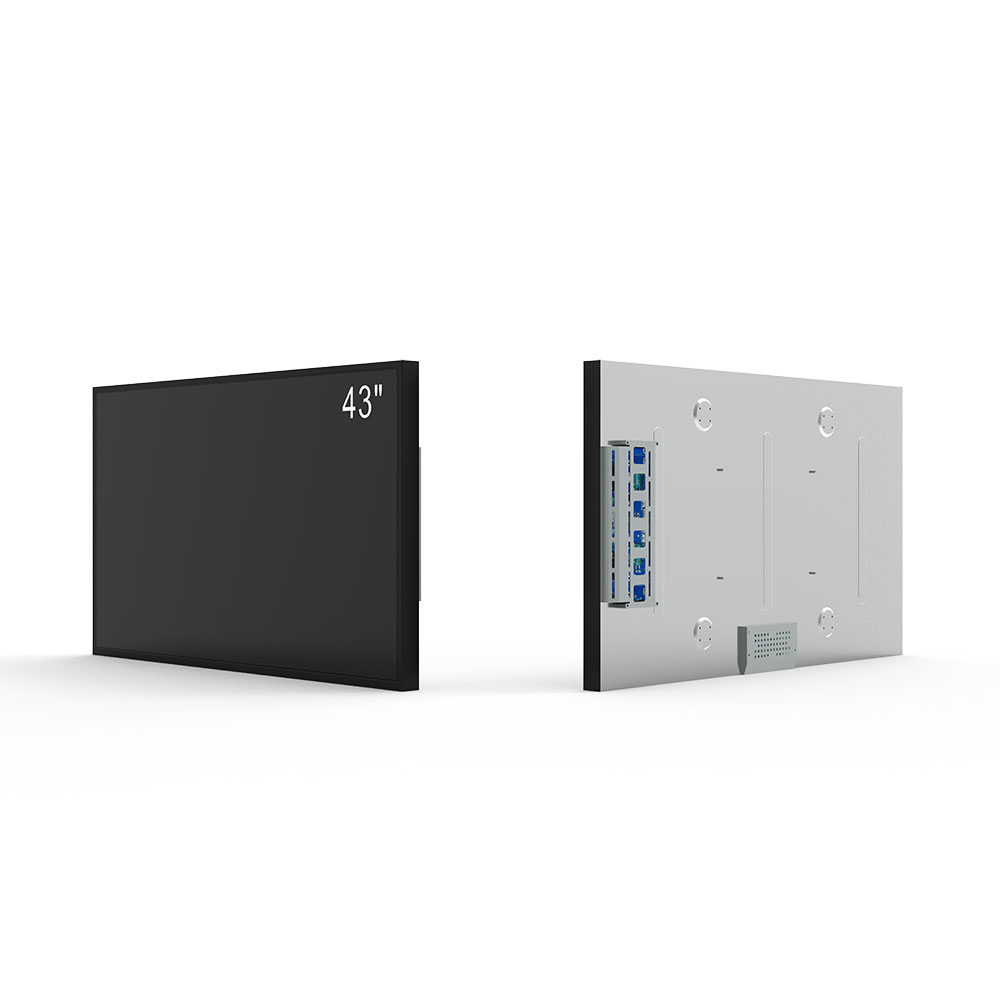
Quality control at every stage is non-negotiable. Manufacturers like LG Display, BOE, and Sharp employ automated optical inspection (AOI) systems that can detect defects as small as 5 microns, ensuring pixel-level uniformity. Environmental stress testing—including temperature cycling (-30°C to +70°C), humidity exposure (85% RH), and vibration simulations—helps verify reliability under real-world conditions. Additionally, ISO 9001 and IEC 60068 standards govern production consistency, while newer industry benchmarks like the VESA DisplayPort standard ensure compatibility across devices.
The end result is a high-performance LCD panel used in smartphones, televisions, automotive displays, and medical monitors—each application demanding tailored specifications such as high brightness (up to 5000 nits for outdoor use), wide color gamut (DCI-P3 or Rec. 2020), or low power consumption for portable devices. By adhering to strict manufacturing protocols and continuously refining processes through data-driven feedback loops, leading manufacturers achieve defect rates below 0.01%, making LCDs one of the most reliable flat-panel technologies today.