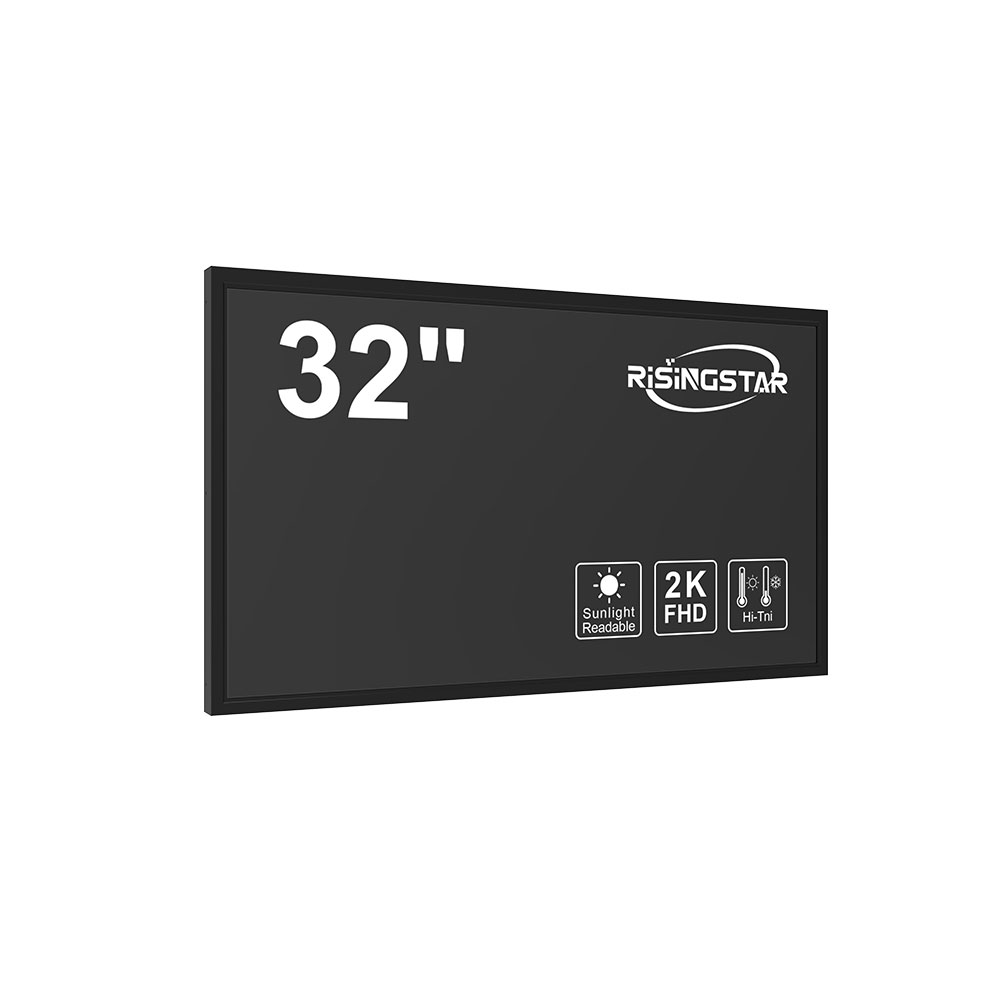
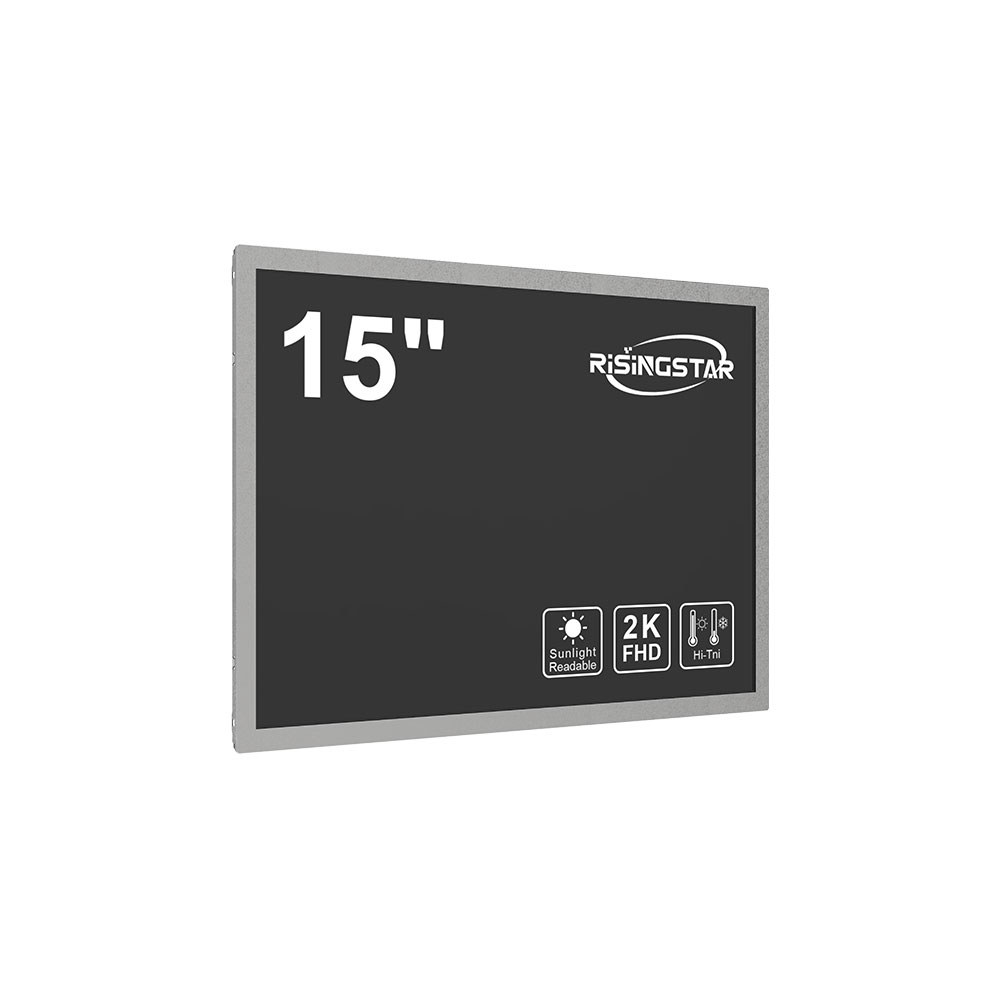
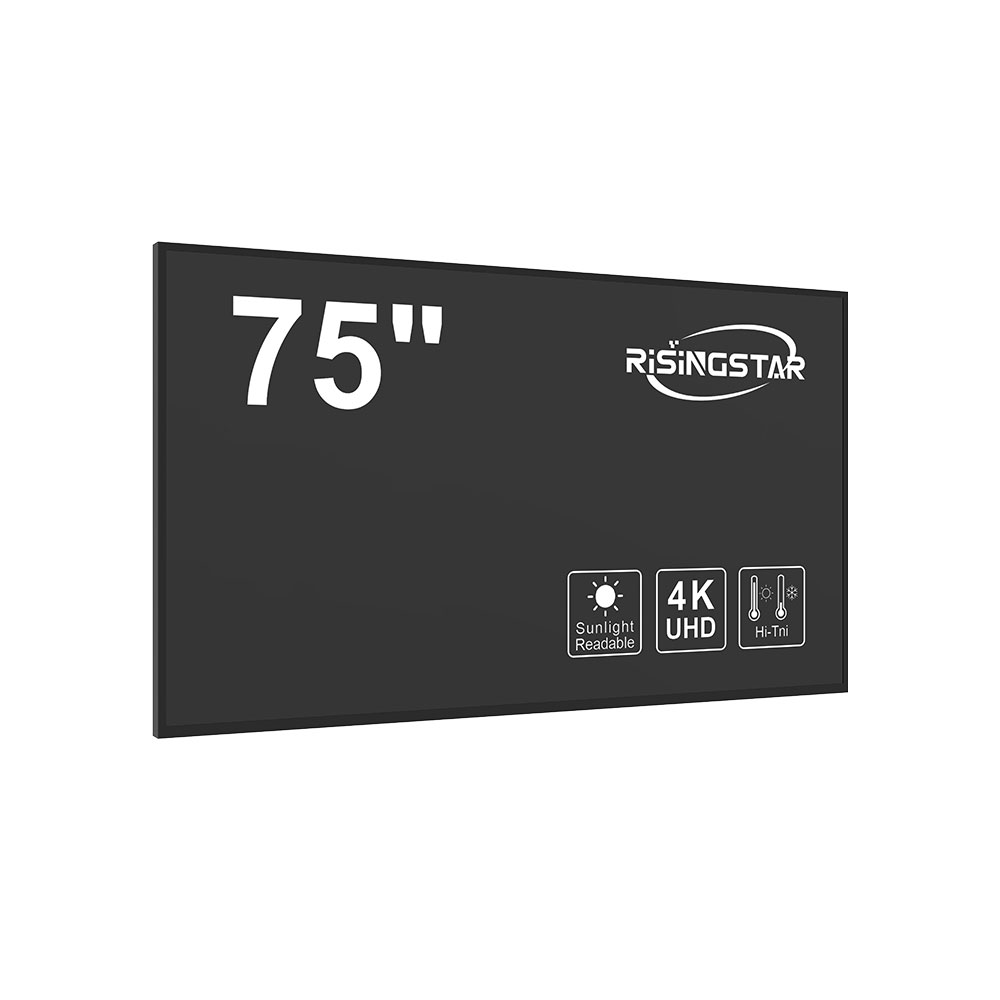
When selecting an LCD display for industrial equipment applications, overseas manufacturers and distributors must prioritize durability, clarity, and compatibility with harsh operating environments. Unlike consumer-grade displays, industrial LCDs are expected to perform reliably under extreme temperatures, high humidity, vibration, and prolonged usage—often in 24/7 operations across manufacturing floors, transportation systems, or outdoor monitoring stations.
A key consideration is brightness and contrast ratio. For example, a display used in a factory with ambient lighting from overhead lights or direct sunlight needs at least 1000 nits of brightness to remain legible. Displays like the LG LP156WF4-SPB1 or Samsung S156WQ1-TLC1 are commonly recommended for such scenarios due to their high luminance and wide viewing angles (up to 178°). These models also support wide temperature ranges—from -30°C to +70°C—making them ideal for use in refrigerated warehouses, automotive assembly lines, or desert-based control rooms.
Another critical factor is panel type. TN (Twisted Nematic) panels offer fast response times but limited viewing angles; IPS (In-Plane Switching) panels provide superior color accuracy and wider viewing angles, making them suitable for human-machine interfaces (HMIs) in robotics or medical devices. For cost-sensitive applications, VA (Vertical Alignment) panels can be a good compromise between cost and performance.
Certifications matter too. Look for displays that meet IEC 60068-2 standards for environmental testing, MIL-STD-810G for shock and vibration resistance, and RoHS compliance for environmental safety. Many global OEMs now require these certifications as part of procurement policies.
Additionally, consider the interface type—LVDS, eDP, or MIPI—based on your embedded system’s compatibility. A mismatch here can lead to integration delays and increased development costs. Some suppliers, like AU Optronics and BOE, offer custom solutions including touch overlays, ruggedized housings, and IP65-rated enclosures for dust and water resistance.
Finally, evaluate supplier support. Reliable technical documentation, long-term availability (often 5–10 years), and responsive after-sales service are essential for maintaining production schedules and minimizing downtime. Companies like Lilliput and ZHONGXIN specialize in OEM/ODM services tailored to international clients, ensuring seamless integration into existing product ecosystems.
By focusing on brightness, panel technology, certifications, connectivity, and supplier reliability, overseas equipment manufacturers can ensure their industrial displays deliver both performance and longevity under demanding conditions.