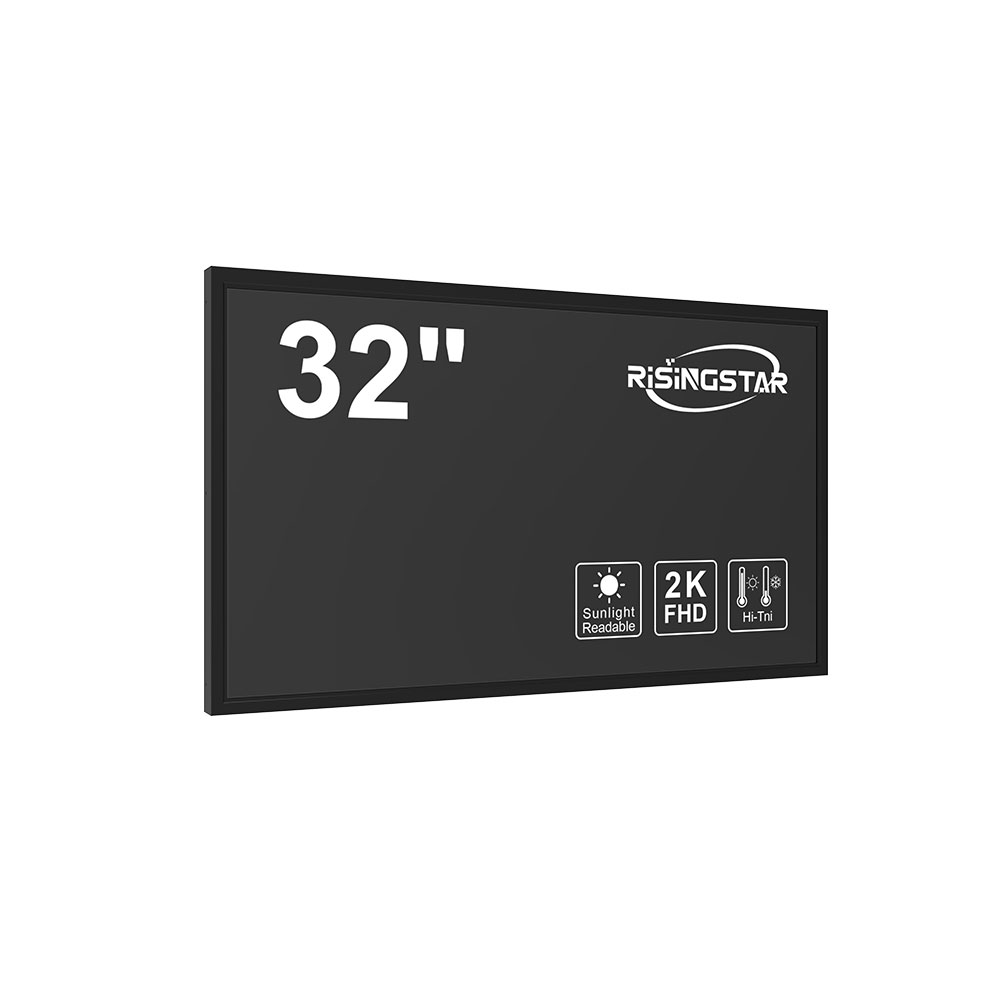
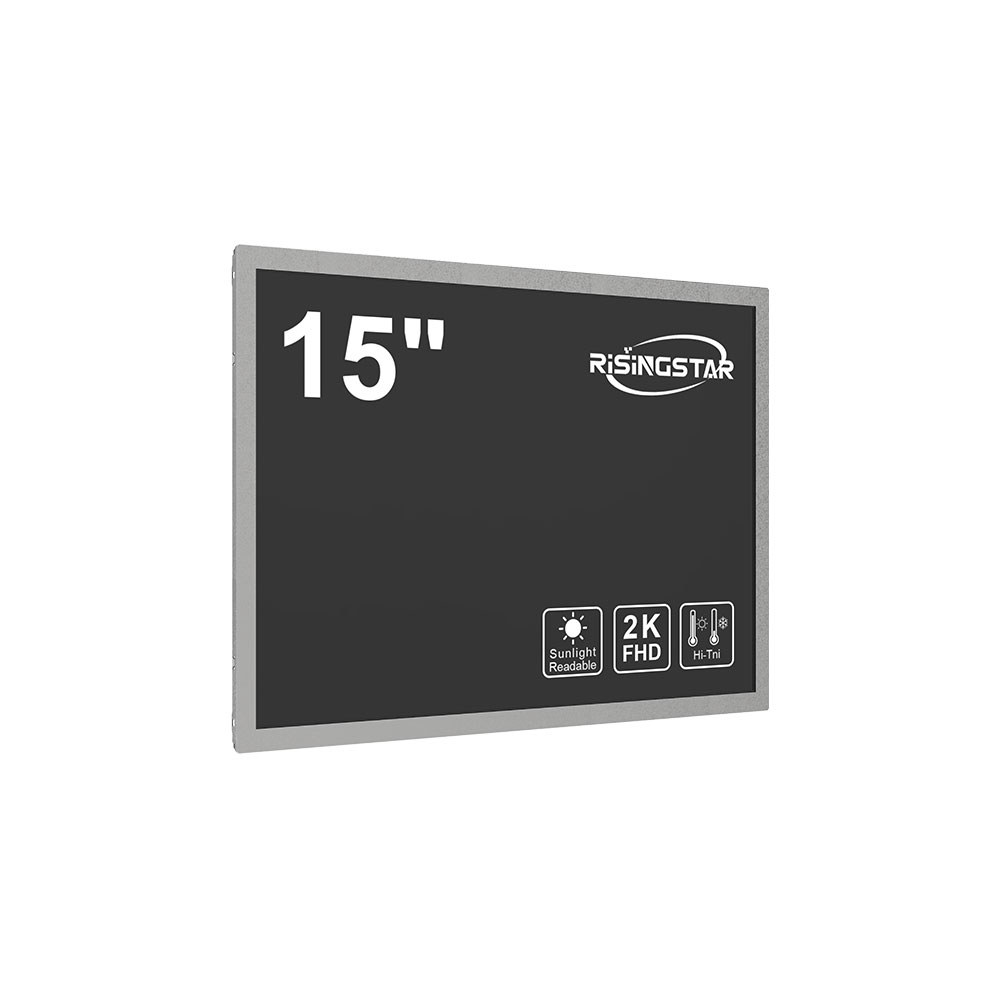
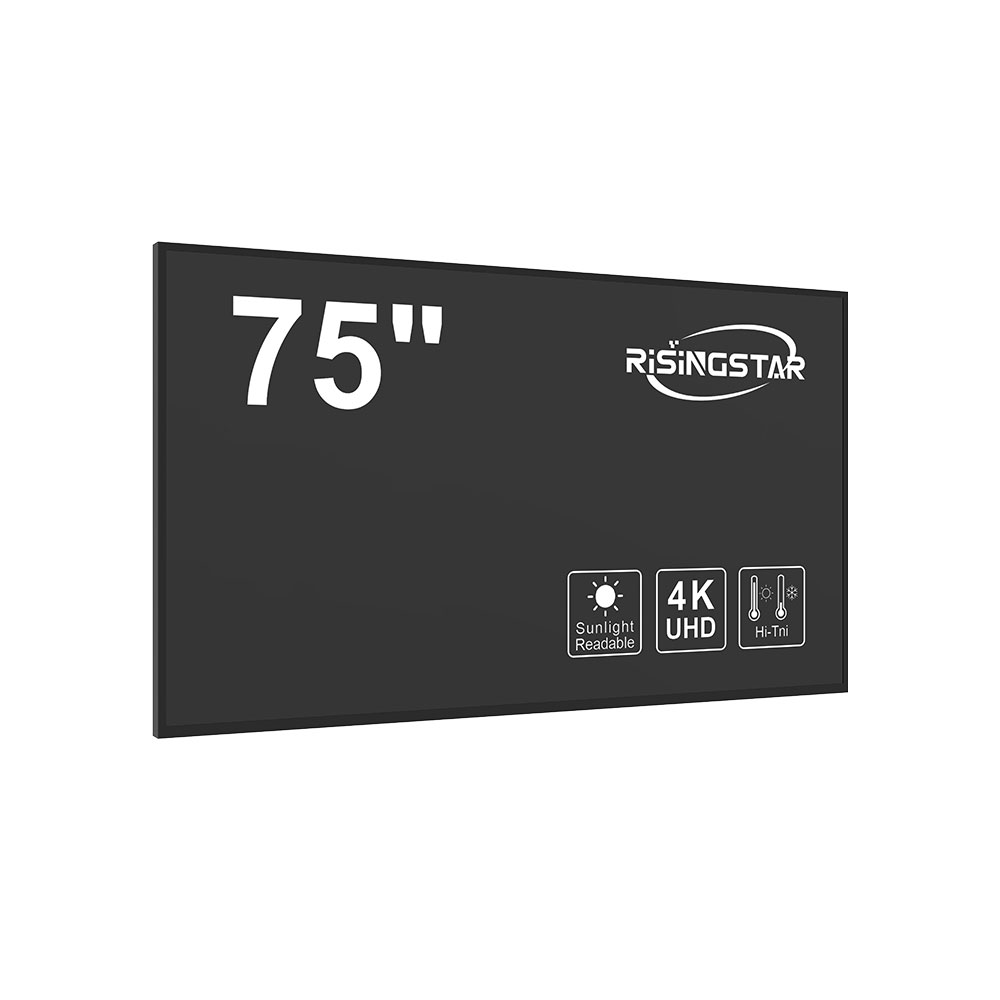
LCD (Liquid Crystal Display) technology remains a cornerstone of modern display systems, powering everything from smartphones and televisions to industrial monitors and automotive dashboards. At its core, LCDs use liquid crystals that modulate light passing through them to create images—no backlighting is needed for the pixels themselves, though most consumer-grade models rely on LED backlights for brightness and clarity.
Practical applications of LCDs are vast. In consumer electronics, they dominate the TV market due to their cost-effectiveness and energy efficiency. In medical imaging, high-resolution LCD panels enable precise visualization of X-rays, ultrasounds, and MRI scans. Industrial environments leverage ruggedized LCD displays for control panels in manufacturing, where durability and readability under harsh conditions matter. Automotive manufacturers increasingly adopt LCDs for digital instrument clusters and infotainment systems, offering customizable interfaces and real-time data access.
One key advantage of LCDs is their power efficiency compared to older CRT and even OLED technologies, especially in static content scenarios like digital signage or office displays. They also offer excellent color consistency across large panels, making them ideal for professional graphic design workstations. However, common problems include limited viewing angles—especially in TN (Twisted Nematic) panels—and slower response times that can cause motion blur in fast-paced content such as gaming or sports broadcasts. These issues have led to the rise of IPS (In-Plane Switching) and VA (Vertical Alignment) panel types, which improve both viewing angles and contrast ratios.
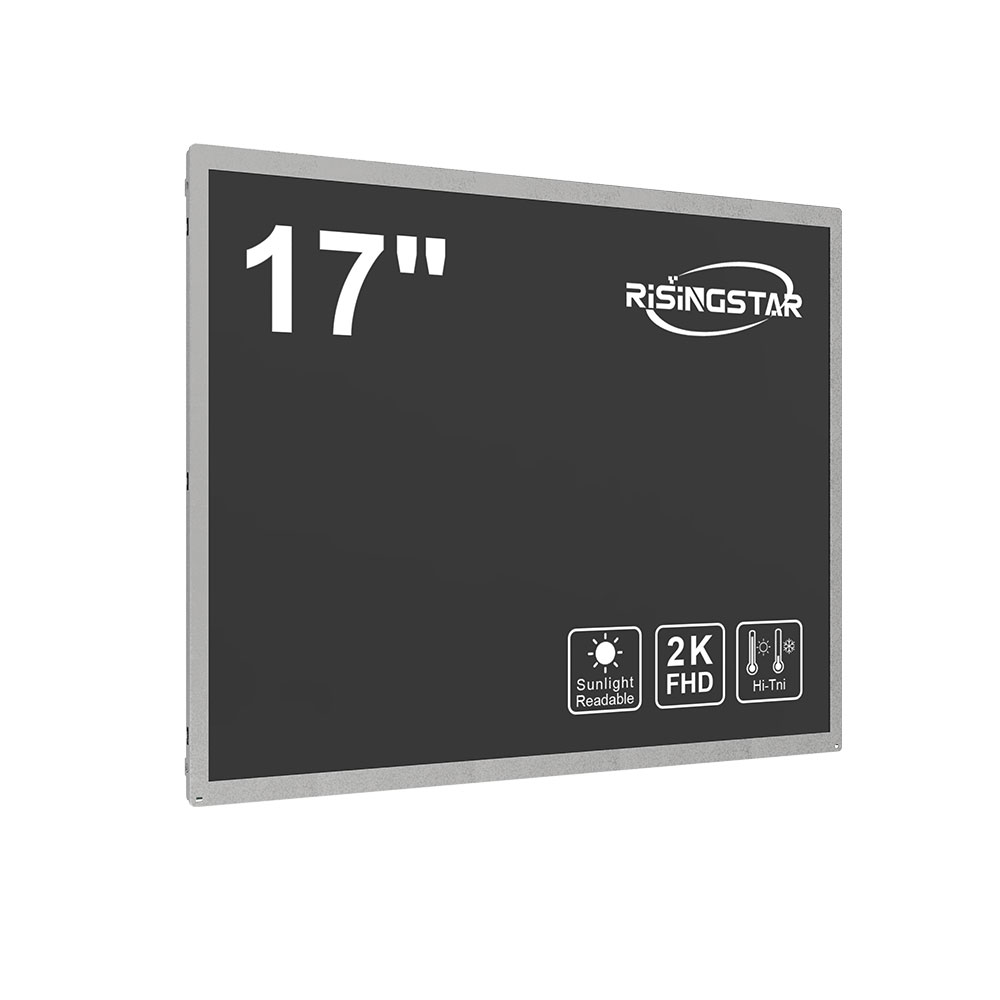
Recent trends highlight innovations like mini-LED backlighting, which enhances local dimming precision and boosts contrast without the cost of full-array OLED. Additionally, adaptive refresh rates (e.g., 120Hz+) are becoming standard in premium LCDs, bridging the gap with OLED performance in dynamic scenes. Environmental sustainability is another growing focus—manufacturers now use lead-free materials and recyclable components, aligning with global E-Waste directives. Industry reports from Display Supply Chain Consultants (DSCC) show that over 80% of new mid-range smartphones now use LCDs, proving their continued relevance despite OLED competition.
For professionals seeking reliable, affordable, and scalable display solutions, LCD technology offers a robust foundation. With ongoing improvements in response time, brightness uniformity, and eco-friendly production, LCDs remain indispensable across sectors—from consumer tech to critical infrastructure.