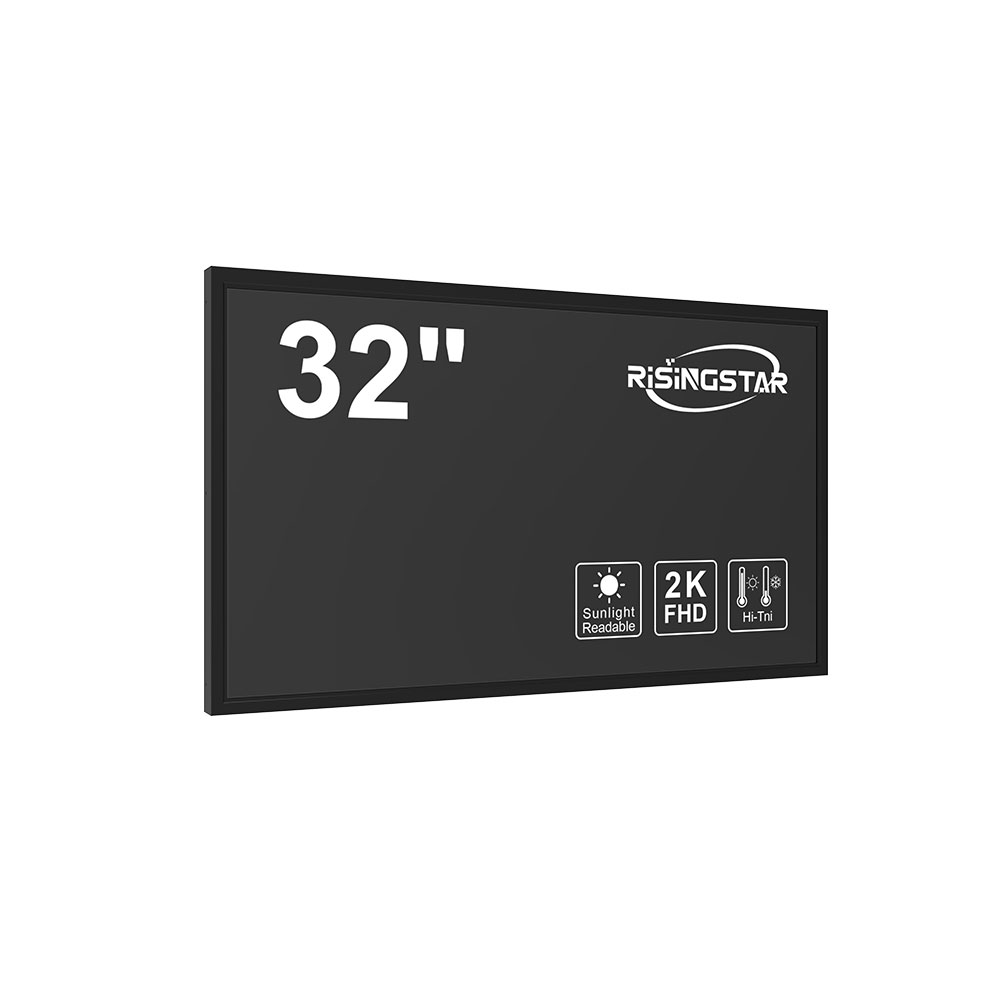
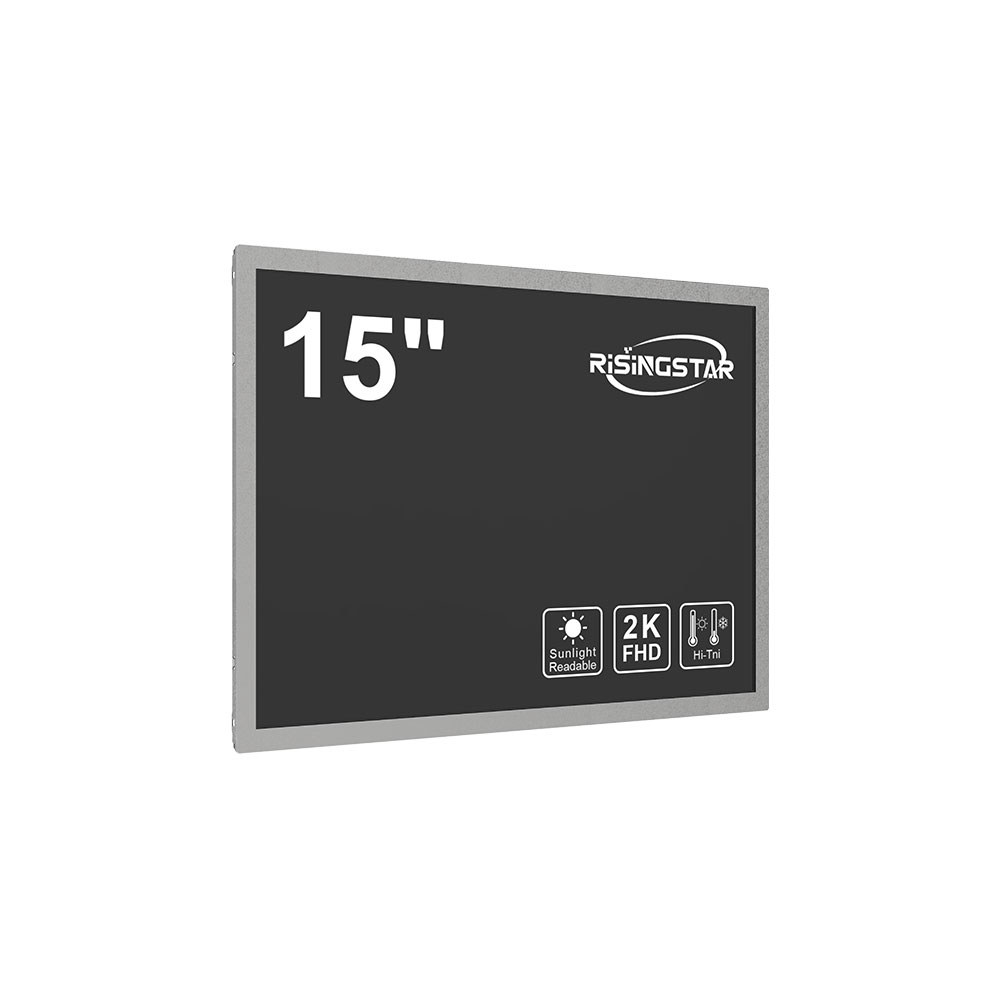
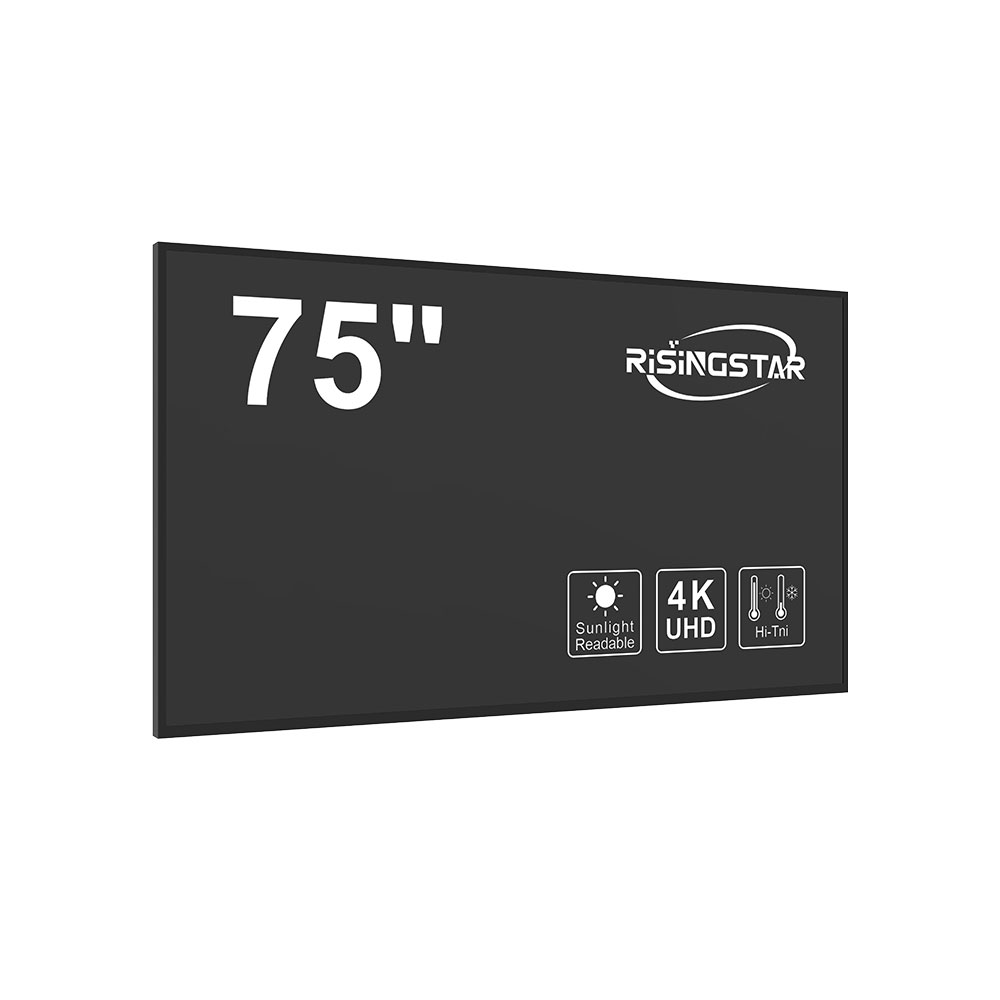
When selecting an LCD panel for industrial equipment, manufacturers and distributors must prioritize reliability, environmental resilience, and long-term performance. Unlike consumer-grade displays, industrial LCDs are deployed in demanding environments such as manufacturing floors, medical devices, or outdoor kiosks—where temperature extremes, humidity, vibration, and dust exposure are common. A failure in these conditions can lead to costly downtime or safety hazards.
First, consider the operating temperature range. High-quality industrial LCD panels typically support temperatures from -30°C to +70°C, while consumer panels may only function reliably between 0°C and 50°C. For instance, Sharp’s LQ104V1LJ11 and LG Display’s 10.4” WXGA IPS panels are widely used in ruggedized systems due to their extended thermal tolerance.

Second, assess display brightness (nits) and contrast ratio. Industrial applications often require 500–1000 nits of brightness for visibility under direct sunlight or harsh lighting. TN panels offer faster response times but weaker viewing angles; IPS panels provide superior color accuracy and wide viewing angles—ideal for control panels or diagnostic interfaces.
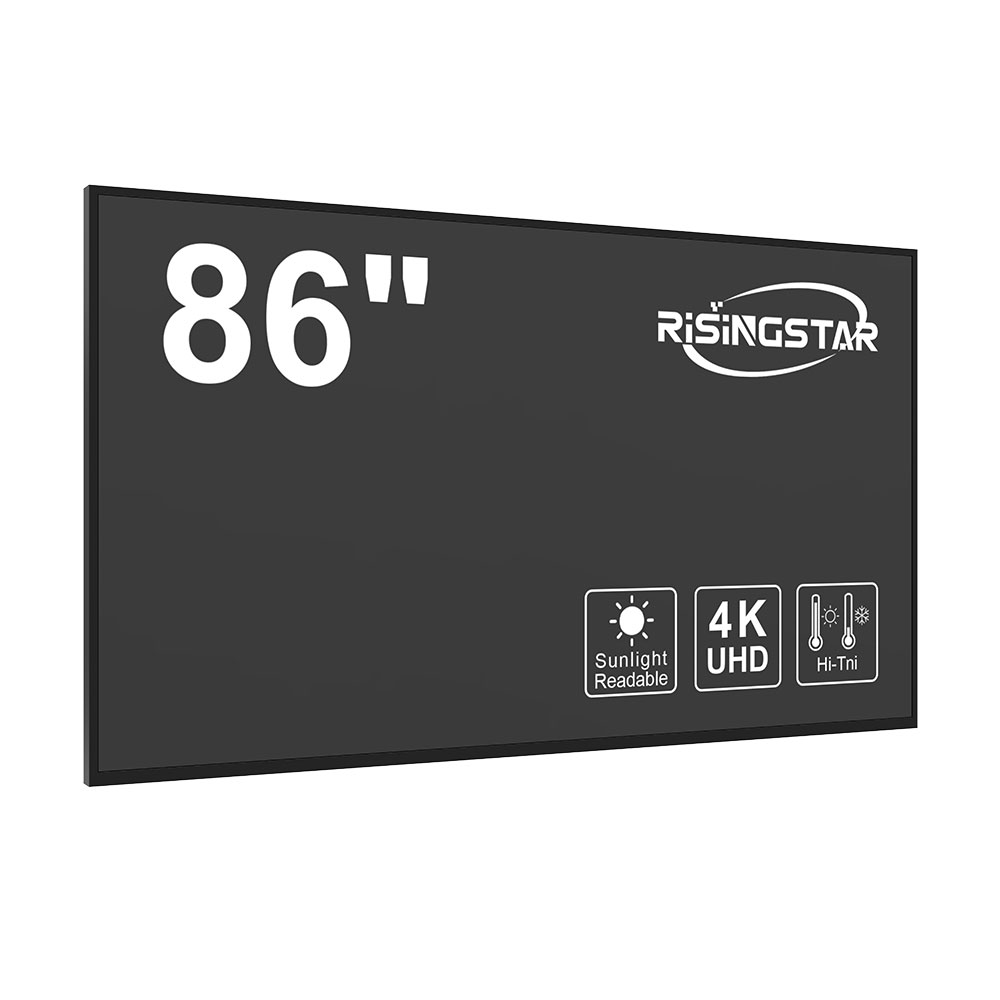
Third, evaluate durability metrics such as MTBF (Mean Time Between Failures), which should exceed 100,000 hours for mission-critical applications. Brands like AU Optronics and Innolux have published test reports confirming MTBF values above 150,000 hours under continuous operation.
Additionally, consider certifications such as IP65 for dust and water resistance or MIL-STD-810G for shock and vibration testing. These ensure compliance with global standards like IEC 60068 and ISO 16750 for automotive and industrial electronics.
Finally, partner with suppliers offering OEM/ODM support, robust technical documentation, and sample availability. Many overseas manufacturers prefer suppliers based in Asia—such as BOE Technology Group or CHIMEI INNOLUX—due to their proven track record in high-volume industrial production and flexible customization options.
By focusing on these criteria—temperature resilience, brightness, longevity, certifications, and supplier reliability—equipment manufacturers and distributors can ensure optimal performance and return on investment for industrial LCD solutions.