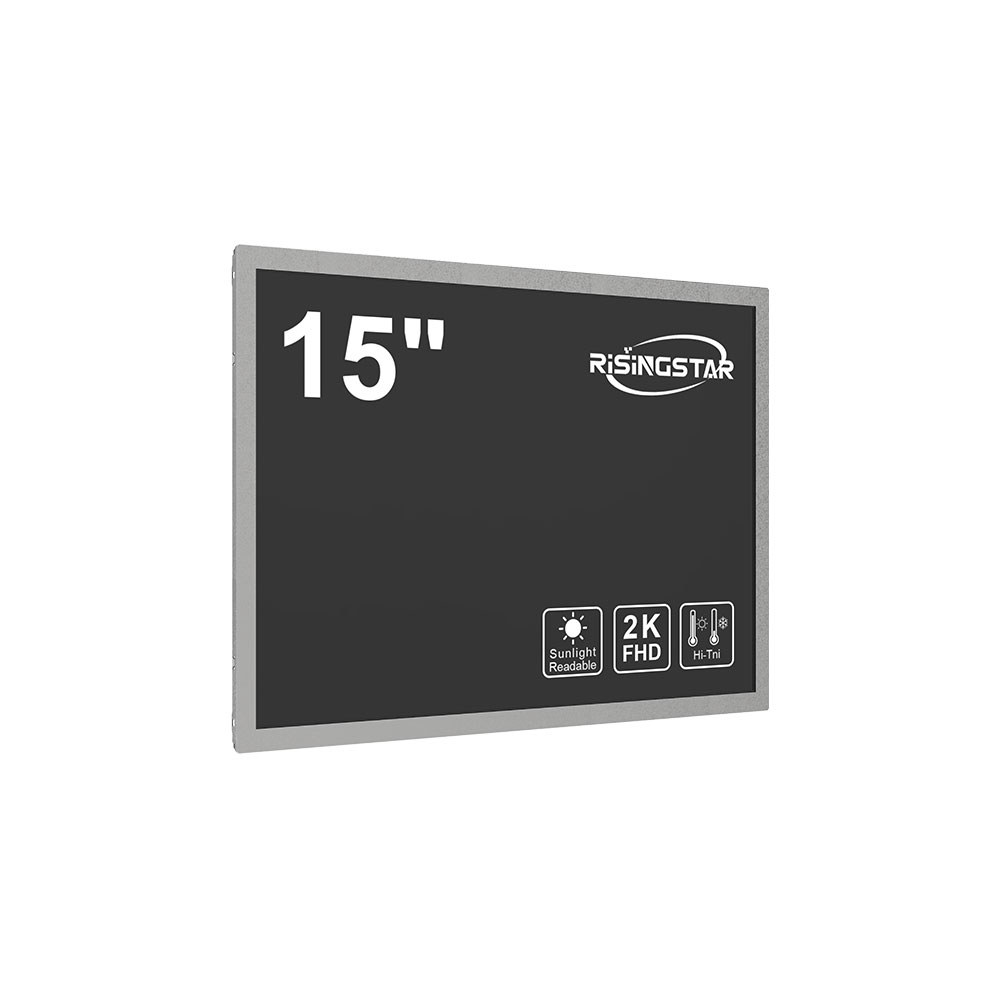
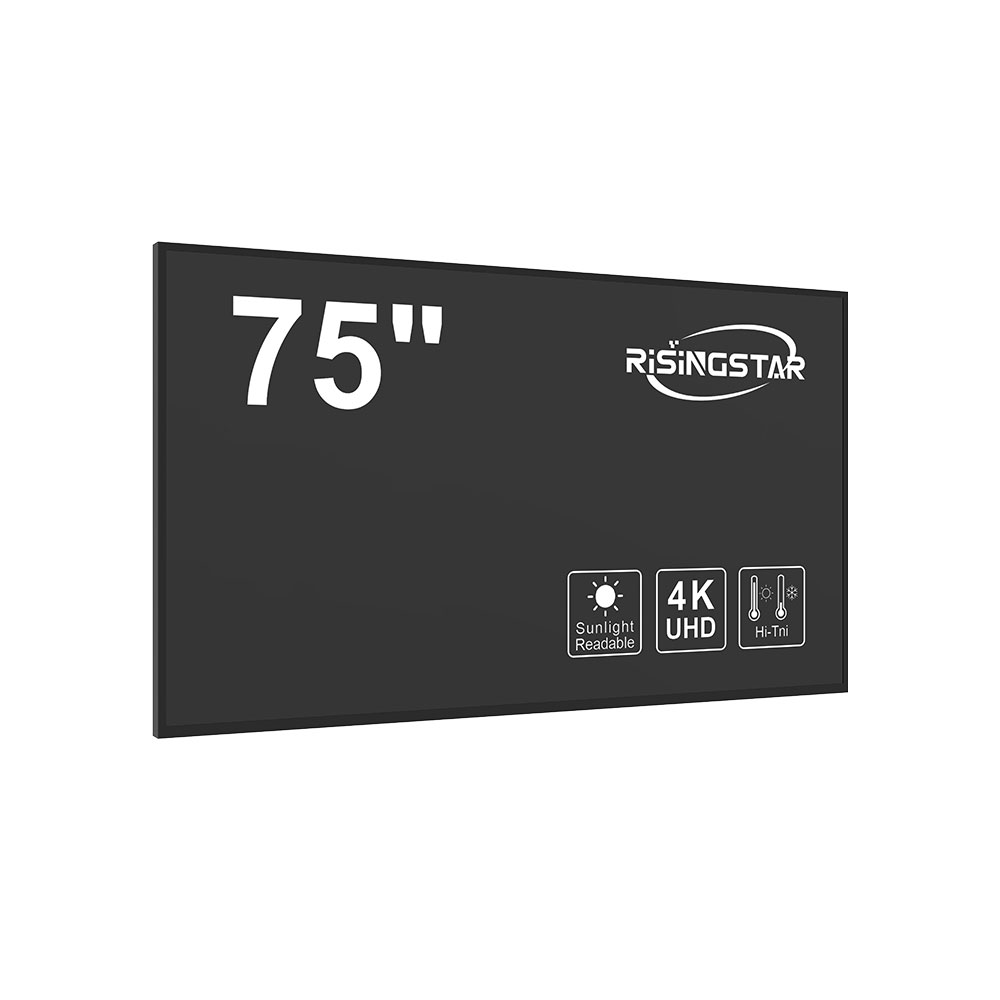
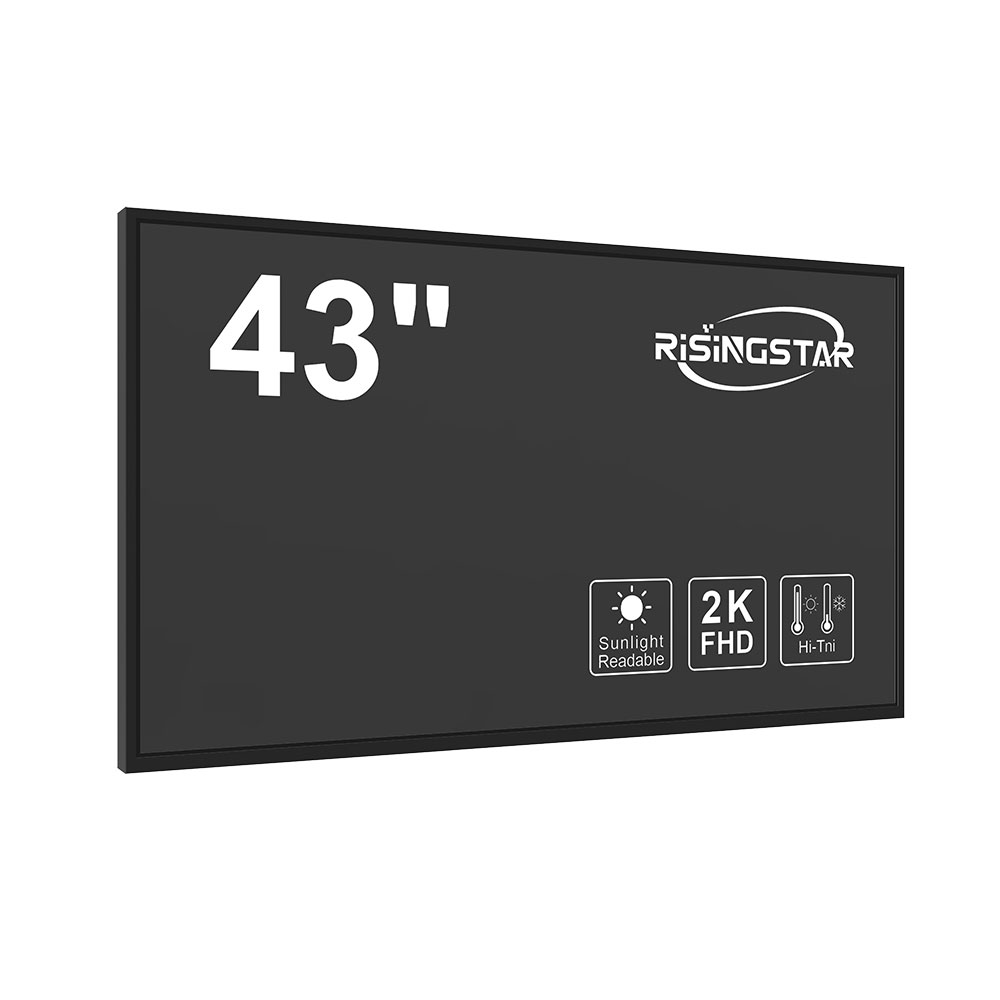
When selecting an LCD panel for commercial, industrial, or consumer applications, one of the most critical decisions is choosing the appropriate resolution—specifically whether to opt for 2K or 4K. Both resolutions offer distinct advantages depending on use case, viewing distance, and budget constraints.
2K resolution, typically referring to 2560x1440 pixels (also known as QHD), provides a sharp image with a high pixel density that’s ideal for desktop monitors, gaming setups, and medium-sized displays. It delivers 44% more detail than Full HD (1920x1080) while maintaining excellent performance in graphics-intensive tasks such as video editing, CAD design, and multi-tasking environments. For instance, manufacturers like LG and AU Optronics now offer 27-inch 2K IPS panels with 99% sRGB coverage, commonly used in professional workflows where color accuracy and clarity matter.
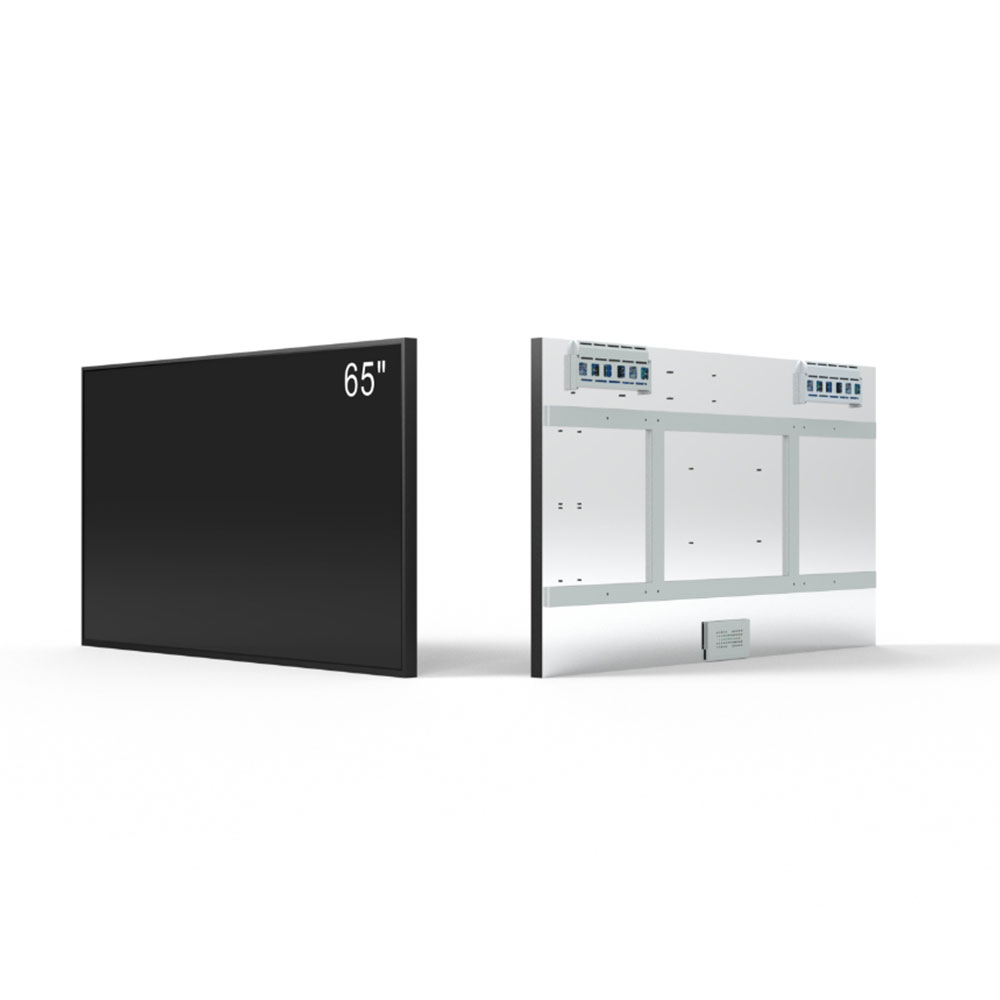
On the other hand, 4K resolution (3840x2160 pixels) offers four times the pixel count of Full HD, resulting in stunning clarity and immersive visual experiences. This makes it the preferred choice for large-format displays in digital signage, medical imaging, and home theater systems. According to a 2023 display market report by IHS Markit, over 60% of new commercial LCD panels shipped globally in Q4 2023 were 4K-ready, signaling strong industry adoption. Panels like Samsung’s 32-inch 4K VA model or BOE’s 55-inch 4K LED backlit display are widely used in retail kiosks and command centers due to their brightness (up to 500 nits) and wide viewing angles.
The decision between 2K and 4K should also consider factors like GPU capability, content source quality, and human visual acuity. For example, at a viewing distance of 1.5 meters, the difference between 2K and 4K becomes less noticeable on screens under 27 inches—a finding supported by SMPTE standards on perceptual resolution. However, for larger screens or close-up usage (e.g., control rooms, medical diagnostics), 4K remains unmatched in detail reproduction.
Ultimately, both 2K and 4K options provide compelling value, but the right choice hinges on application-specific requirements, environmental lighting conditions, and long-term scalability needs. By aligning resolution with intended use, businesses and consumers alike can maximize return on investment in LCD technology.