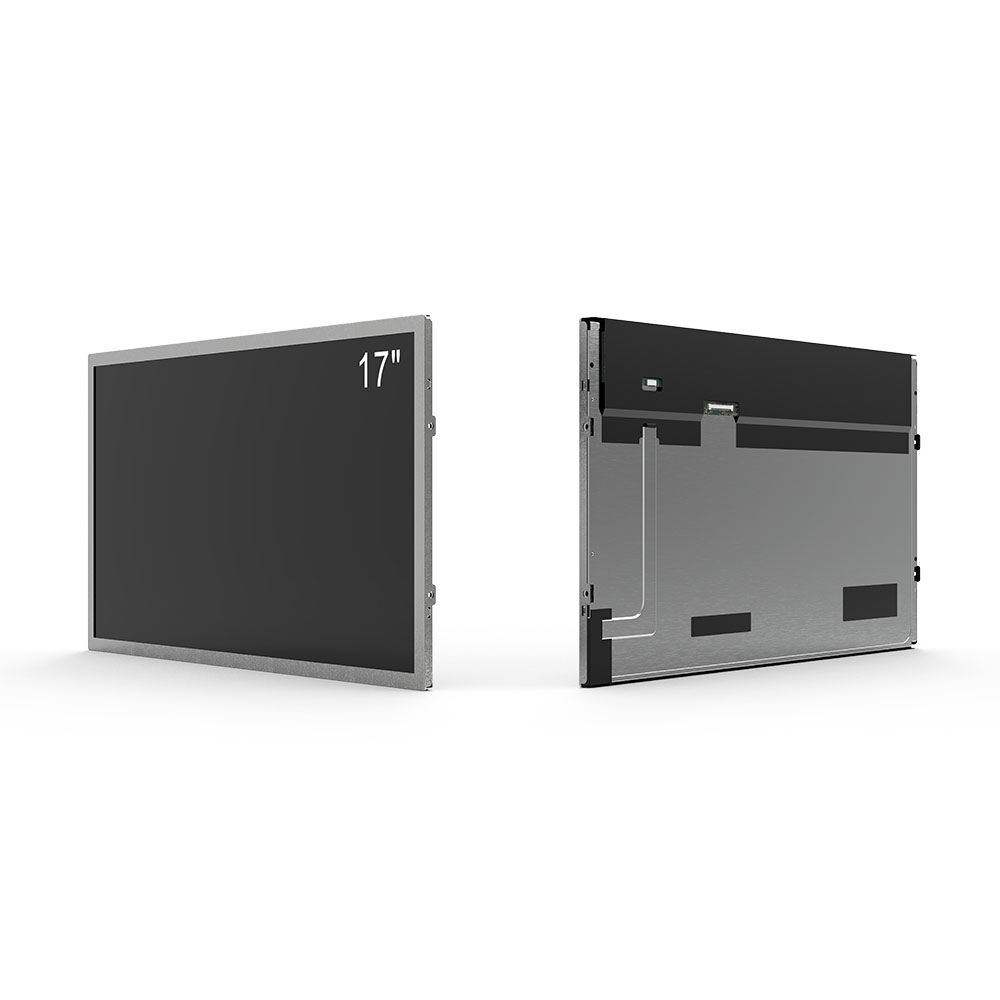
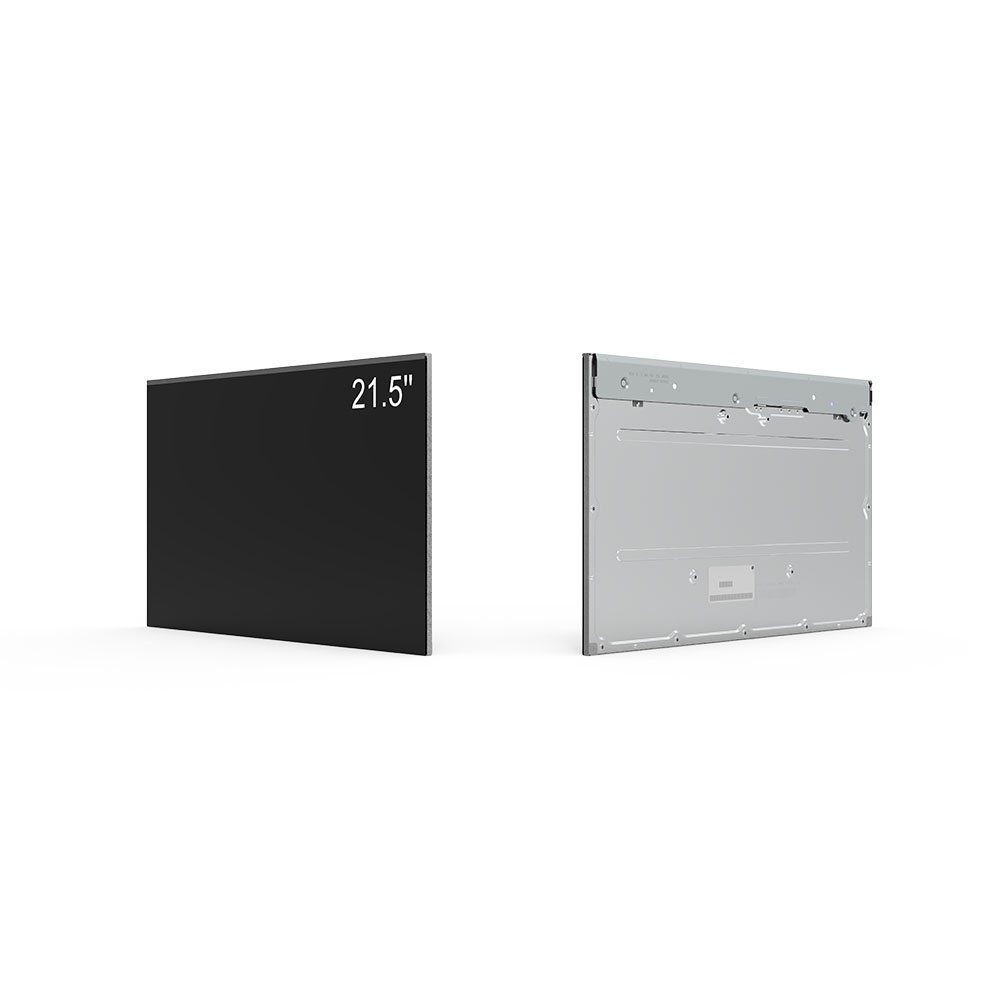
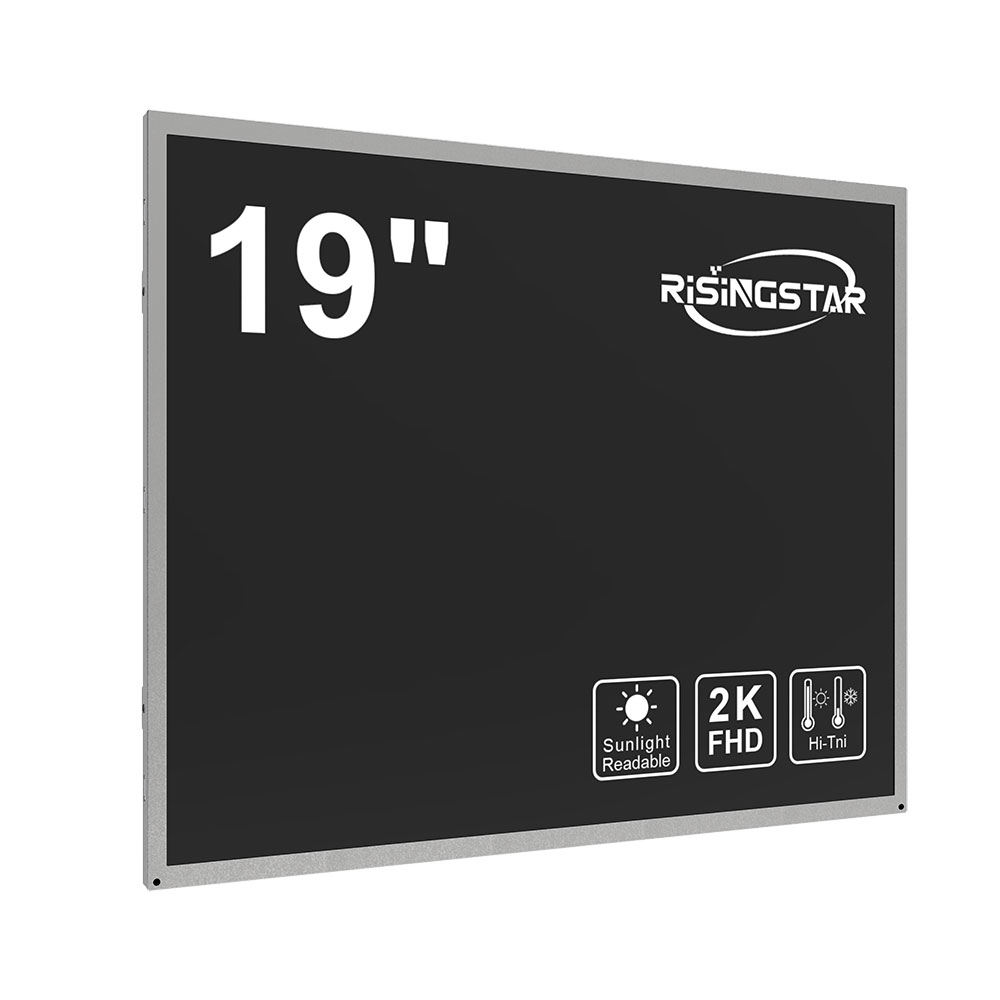
LCD (Liquid Crystal Display) technology remains a cornerstone of modern visual interfaces, widely used in smartphones, televisions, computer monitors, and industrial control panels. Its ability to produce sharp, energy-efficient images makes it indispensable across consumer electronics and professional applications alike.
One of the most practical applications of LCDs is in commercial signage—such as digital billboards and retail displays—where high brightness and long-term reliability ensure consistent visibility even under harsh lighting conditions. In automotive dashboards, LCDs offer real-time data visualization with minimal power consumption, aligning with vehicle electrification trends. Medical devices like patient monitors also rely on LCDs for clarity, color accuracy, and low heat emission, critical for sterile environments.
The advantages of LCDs are numerous. They consume significantly less power than older CRT displays—typically 30–50% less—and provide uniform backlighting for consistent image quality. With advancements in LED-backlit panels, LCDs now deliver superior contrast ratios and wider color gamuts, often surpassing OLEDs in brightness for outdoor use. Moreover, their mature manufacturing process keeps costs low while enabling large-screen production at scale, such as 75-inch 4K UHD panels used in conference rooms and home theaters.
However, common problems persist. One frequent issue is backlight bleed—where light leaks from the edges of the screen, especially noticeable in dark scenes. This stems from poor panel alignment or aging backlight components. Another concern is viewing angle limitations; early LCD models suffered from color shift when viewed off-center, though IPS (In-Plane Switching) and VA (Vertical Alignment) technologies have largely resolved this. Additionally, response time delays can cause motion blur in fast-paced content, particularly in budget-tier displays.
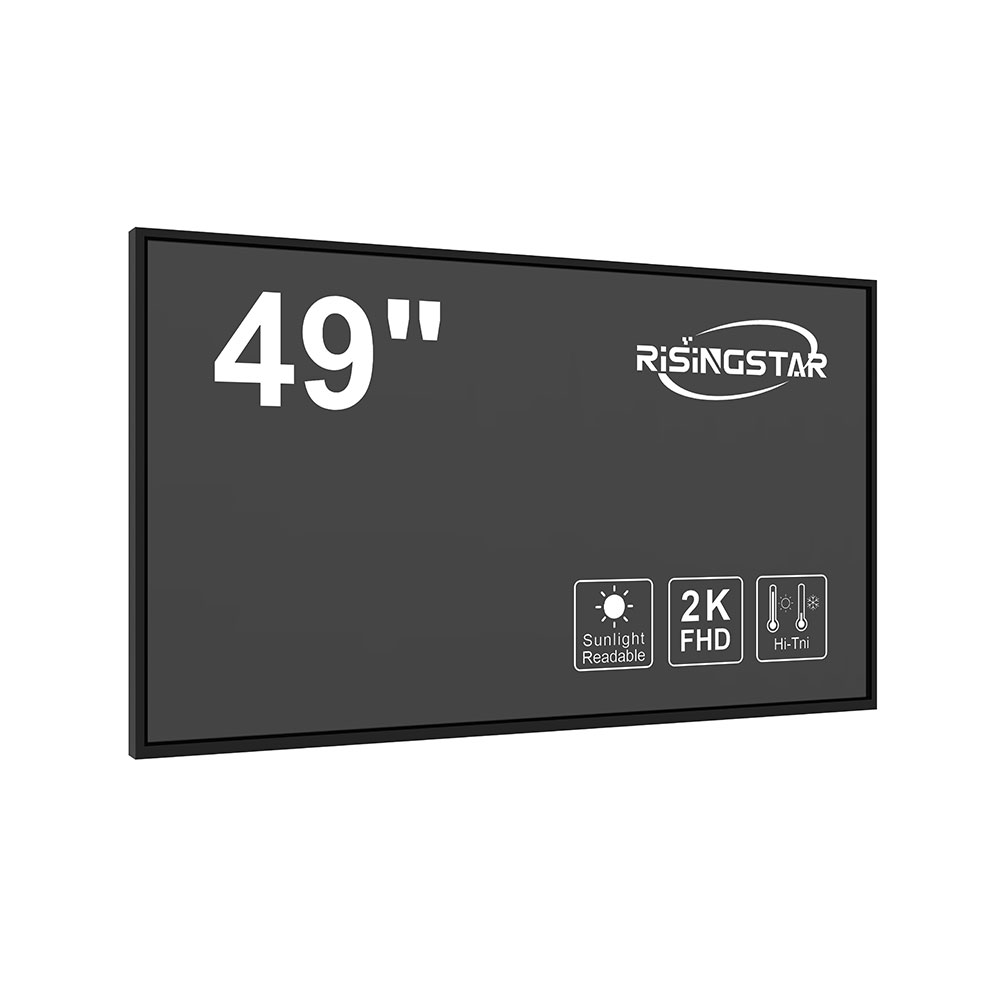
Latest trends point toward mini-LED and quantum dot-enhanced LCDs, which improve local dimming and color precision without the cost of full OLED arrays. Industry reports from IHS Markit show that by 2025, over 60% of mid-to-high-end TVs will use mini-LED backlights. Meanwhile, manufacturers like LG Display and AU Optronics are investing heavily in flexible and transparent LCDs for emerging wearables and smart windows. These innovations reflect a broader push toward sustainability—many new LCDs now meet Energy Star and RoHS standards, reducing environmental impact during both production and disposal.
For consumers, choosing an LCD involves balancing performance needs with budget constraints. Look for IPS panels for better viewing angles, LED-backlit models for efficiency, and a response time under 5ms for gaming or video editing. With continued R&D and global adoption, LCD technology remains not just relevant—but evolving rapidly.