When selecting an LCD panel for your display application—whether it's for consumer electronics, industrial equipment, or automotive systems—it's essential to consider several critical factors that directly impact performance, longevity, and cost-effectiveness. The choice of LCD panel type (TN, IPS, VA), resolution, brightness, contrast ratio, viewing angles, response time, and environmental resilience must align with the intended use case.
For instance, TN (Twisted Nematic) panels are commonly used in budget-friendly monitors due to their fast response times (as low as 1ms), but they suffer from narrow viewing angles and limited color accuracy. IPS (In-Plane Switching) panels, on the other hand, offer superior color reproduction, wide viewing angles (up to 178°), and consistent image quality from any angle—ideal for graphic design, medical imaging, and professional displays. However, they typically have slower response times (around 4–8ms) and higher power consumption. VA (Vertical Alignment) panels strike a balance between IPS and TN, delivering excellent contrast ratios (often exceeding 3000:1) and deeper blacks, making them suitable for multimedia and home entertainment.

According to industry reports from Display Supply Chain Consultants (DSCC), over 60% of global LCD panel shipments in 2023 were IPS-based, reflecting strong demand in high-end consumer and industrial markets. For automotive applications, LG Display’s recent testing confirmed that IPS panels maintained stable performance across temperatures ranging from -30°C to +70°C, meeting ISO 16750 standards for vehicle-mounted displays.
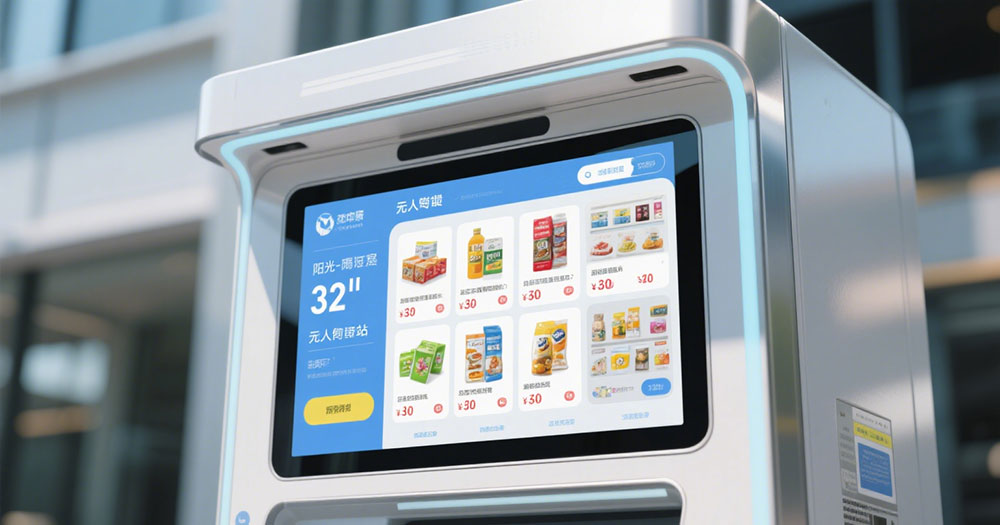
Environmental durability is also crucial. Panels used in outdoor kiosks or industrial settings must withstand humidity, dust, and UV exposure. MIL-STD-810G-certified panels are recommended for such environments. Additionally, energy efficiency matters—panels with LED backlighting and adaptive brightness control can reduce power consumption by up to 30%, per a 2022 study by the International Energy Agency (IEA).
Finally, manufacturers should evaluate supplier reliability, lead times, and certifications such as RoHS, CE, and UL. Brands like Samsung, LG, and BOE provide robust support and long-term supply stability, especially important for mass production. Choosing the right LCD panel isn't just about specs—it’s about matching technology to real-world conditions, user needs, and operational constraints.