
Understanding LCD Panel Manufacturing: From Raw Materials to High-Performance Displays
LCD panel manufacturing is a highly technical and precision-driven process that transforms raw materials into high-performance displays used in smartphones, TVs, monitors, and industrial equipment. The journey begins with the selection of key components such as glass substrates, liquid crystals, polarizers, and thin-film transistors (TFTs), each of which must meet strict quality standards set by international bodies like the International Electrotechnical Commission (IEC) and the Society for Information Display (SID).
The first step in production involves cleaning and patterning the glass substrates using photolithography—a process where UV light exposes photoresist layers to create microscopic circuit patterns. These patterns form the foundation for TFT arrays, which act as individual switches controlling each pixel’s brightness and color. Advanced fabrication facilities, often classified as "fabs," operate under Class 100 or better cleanroom standards to prevent contamination that could degrade display quality.
Next, liquid crystal material—typically nematic or twisted nematic (TN) type—is injected between two glass panels. This layer is sandwiched between polarizing films, which filter light to produce the final image. Color filters are also integrated during this stage, with RGB sub-pixels arranged in precise patterns (e.g., stripe or delta layout) to ensure accurate color reproduction.
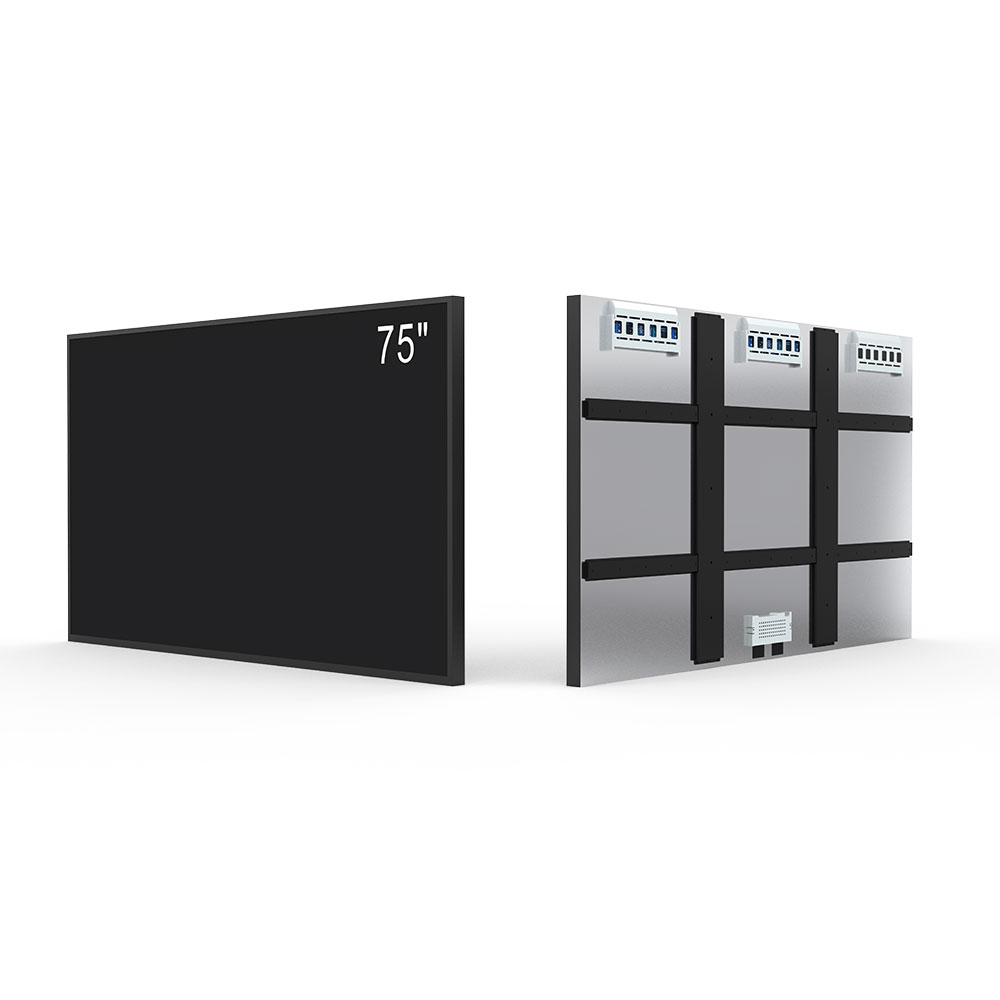
Backlight units (BLUs), usually LED-based, provide uniform illumination behind the panel. For high-end applications like OLED-compatible LCDs or mini-LED backlights, manufacturers use advanced optical films and diffusers to enhance contrast and reduce glare. Rigorous testing follows, including electrical performance checks, visual defect inspections (using automated optical inspection systems), and environmental stress tests such as temperature cycling (-20°C to 70°C) and humidity exposure (85% RH), ensuring reliability across diverse climates.
Industry leaders like LG Display, BOE Technology, and Sharp have driven innovation through investments in 8th-generation and 9th-generation fabs, enabling larger panels (up to 43 inches) with higher resolution (4K UHD) and improved energy efficiency. According to a 2023 report from Omdia, global LCD panel shipments reached over 600 million units in 2022, underscoring their continued dominance in mid-range and large-format displays despite competition from OLED and microLED technologies.
For engineers and procurement teams sourcing LCD panels, understanding the full lifecycle—from raw material sourcing to final QC—ensures informed decisions aligned with product requirements, cost-efficiency, and long-term durability. This deep knowledge supports successful integration into consumer electronics, automotive dashboards, medical devices, and more.