
How to Choose the Right LCD Panel for Industrial Applications
Selecting the appropriate LCD panel for industrial applications is a critical decision that directly impacts performance, reliability, and long-term cost efficiency. Unlike consumer-grade displays, industrial LCDs must operate under extreme conditions—such as wide temperature ranges, high humidity, mechanical shock, and continuous 24/7 usage. Therefore, engineers and procurement teams must evaluate several technical parameters before making a final choice.
First, consider the display’s operating temperature range. Industrial panels typically support -30°C to +70°C, compared to consumer models that usually function between 0°C and 50°C. This extended range ensures stable operation in environments like outdoor kiosks, manufacturing plants, or transportation systems.
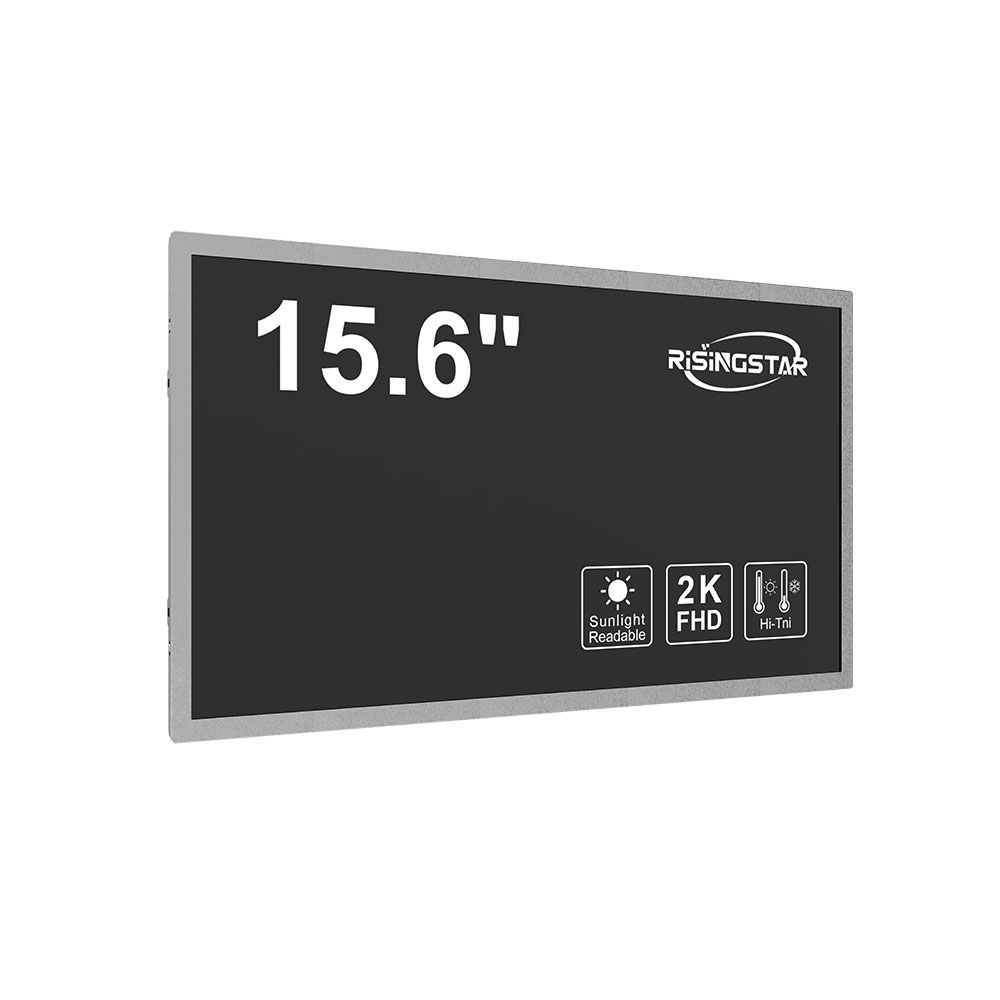
Second, brightness and contrast ratio matter significantly. For indoor applications, 300–500 cd/m² is sufficient, but for outdoor or high-ambient-light settings, 1000 cd/m² or higher is recommended. A contrast ratio of at least 1000:1 improves visibility in challenging lighting conditions.
Third, durability metrics such as MTBF (Mean Time Between Failures) and MIL-STD-810G compliance should be reviewed. Panels with MTBF exceeding 100,000 hours are ideal for mission-critical applications like medical imaging or aerospace control systems. Additionally, certifications like IP65 (dust and water resistance) are essential for ruggedized deployments.
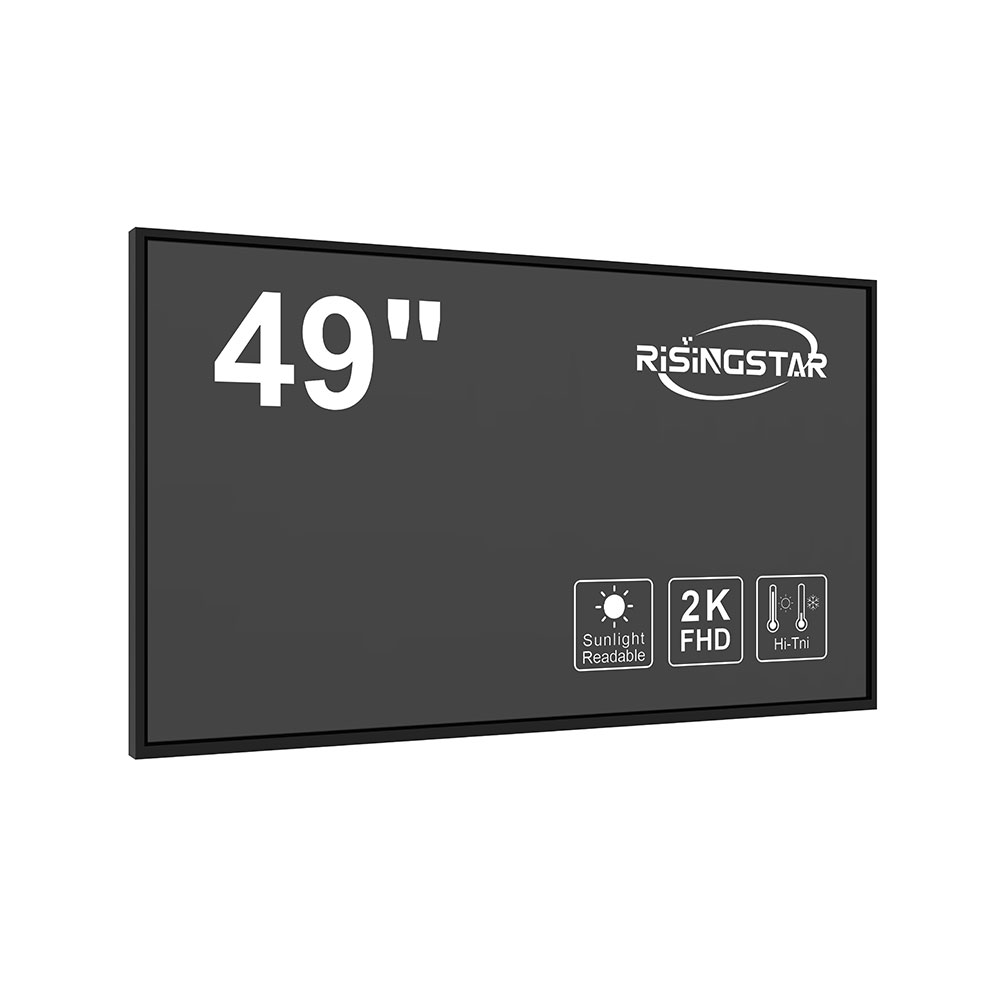
Fourth, input interface compatibility is crucial. Industrial systems often use LVDS, eDP, or RGB interfaces. Ensuring your chosen panel supports the system’s native video signal format avoids costly custom adapters or redesigns.
Finally, consider vendor support and lifecycle management. Reputable suppliers like LG Display, Sharp, and Innolux provide comprehensive technical documentation, long-term availability guarantees, and robust after-sales service—factors that reduce downtime and maintenance costs over time.
Real-world case studies show that companies using certified industrial LCDs experience up to 40% fewer failures in field operations. According to a 2023 report by MarketsandMarkets, the global industrial display market is projected to reach $23 billion by 2028, driven by demand from automation, energy, and healthcare sectors. Choosing the right panel isn’t just about specs—it’s about aligning with operational resilience and future scalability.