
How to Choose the Right LCD Display for Industrial Applications
When selecting an LCD display for industrial applications, it's crucial to consider not only screen resolution and size but also environmental durability, power efficiency, and long-term reliability. Industrial environments often expose devices to extreme temperatures, humidity, vibration, and dust—factors that can quickly degrade standard consumer-grade displays.
First, evaluate the operating temperature range. High-performance industrial LCDs typically support -30°C to +70°C operation, compared to consumer models limited to 0–50°C. For example, LG’s L156HWN1-SL2 and AU Optronics’ B156HAN03.2 are widely used in automation systems due to their wide thermal tolerance.
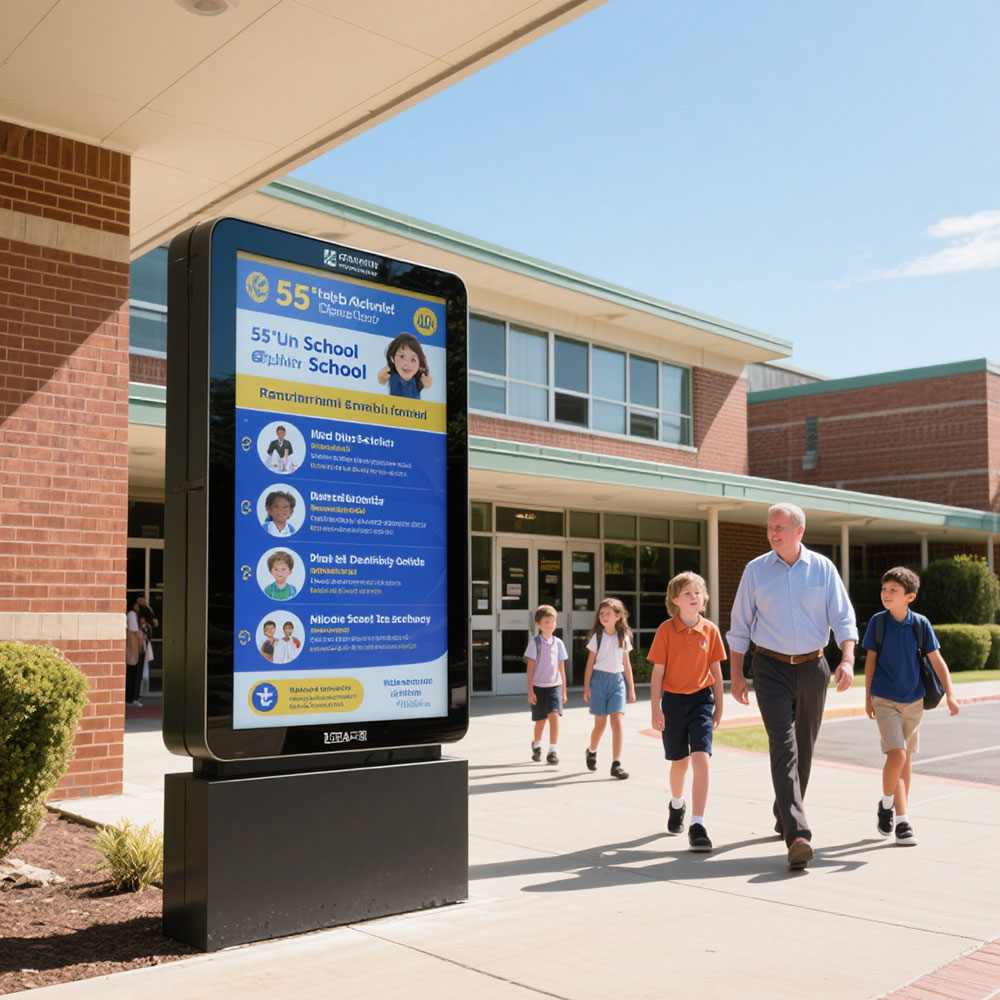
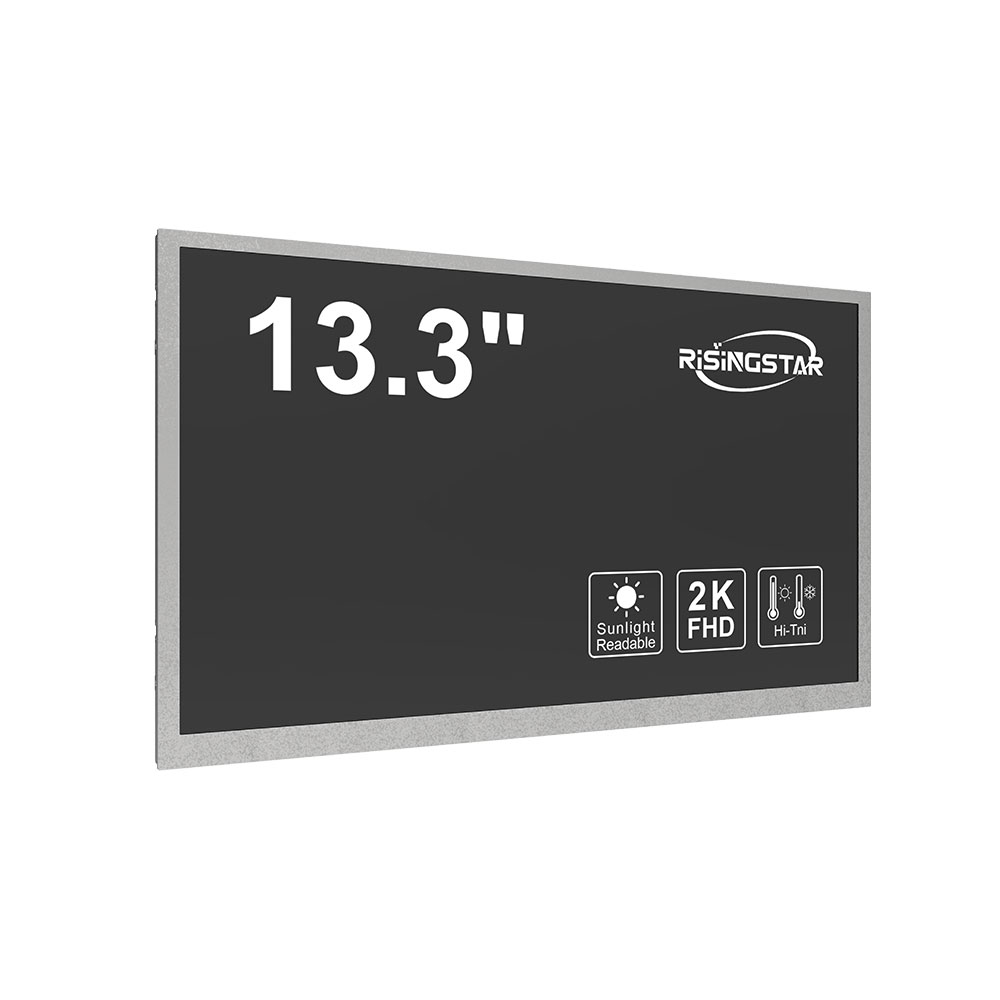
Next, check the display’s brightness and contrast ratio. Industrial settings like outdoor construction sites or factory floors require luminance of at least 1000 nits to remain visible under direct sunlight. In such cases, high-brightness TFT-LCDs with anti-glare coatings are essential.
Another critical factor is IP (Ingress Protection) rating. An IP65-rated display resists dust and water jets, making it ideal for food processing or oil & gas industries. Look for panels certified to MIL-STD-810G for shock and vibration resistance if your application involves mobile equipment.
Power consumption matters too—especially in battery-powered or energy-conscious operations. Modern LCDs with LED backlighting and adaptive brightness control can reduce power use by up to 40% compared to older CCFL-based models.
Finally, consider service life. Industrial-grade displays often offer 50,000+ hours of MTBF (Mean Time Between Failures), whereas consumer panels may fail after 20,000 hours. Manufacturers like Sharp, Samsung, and BOE provide extended warranties and lifecycle support for mission-critical deployments.
By prioritizing these technical specifications, engineers can ensure their industrial LCD solutions deliver consistent performance across diverse and demanding environments—improving uptime, reducing maintenance costs, and enhancing operational safety.