
Understanding Viewing Angle in LCD Displays for Better Visual Experience
When it comes to selecting the right LCD display—whether for a smartphone, monitor, or TV—the viewing angle is a critical factor that directly impacts image clarity and user satisfaction. Simply put, the viewing angle refers to the maximum angle at which a display can be viewed with acceptable visual performance, including brightness, contrast, and color accuracy. A narrow viewing angle means the image quality degrades quickly when viewed from the side or at an angle, while a wide viewing angle ensures consistent visuals across multiple positions.
This is especially important in real-world settings such as office environments where users may not always sit directly in front of their screens, or in automotive infotainment systems where drivers and passengers view the display from different angles. For example, IPS (In-Plane Switching) panels are widely praised for their excellent off-axis performance, offering nearly 180° horizontal and vertical viewing angles. In contrast, older TN (Twisted Nematic) panels often suffer from poor viewing angles, causing colors to shift or darken significantly when viewed sideways.
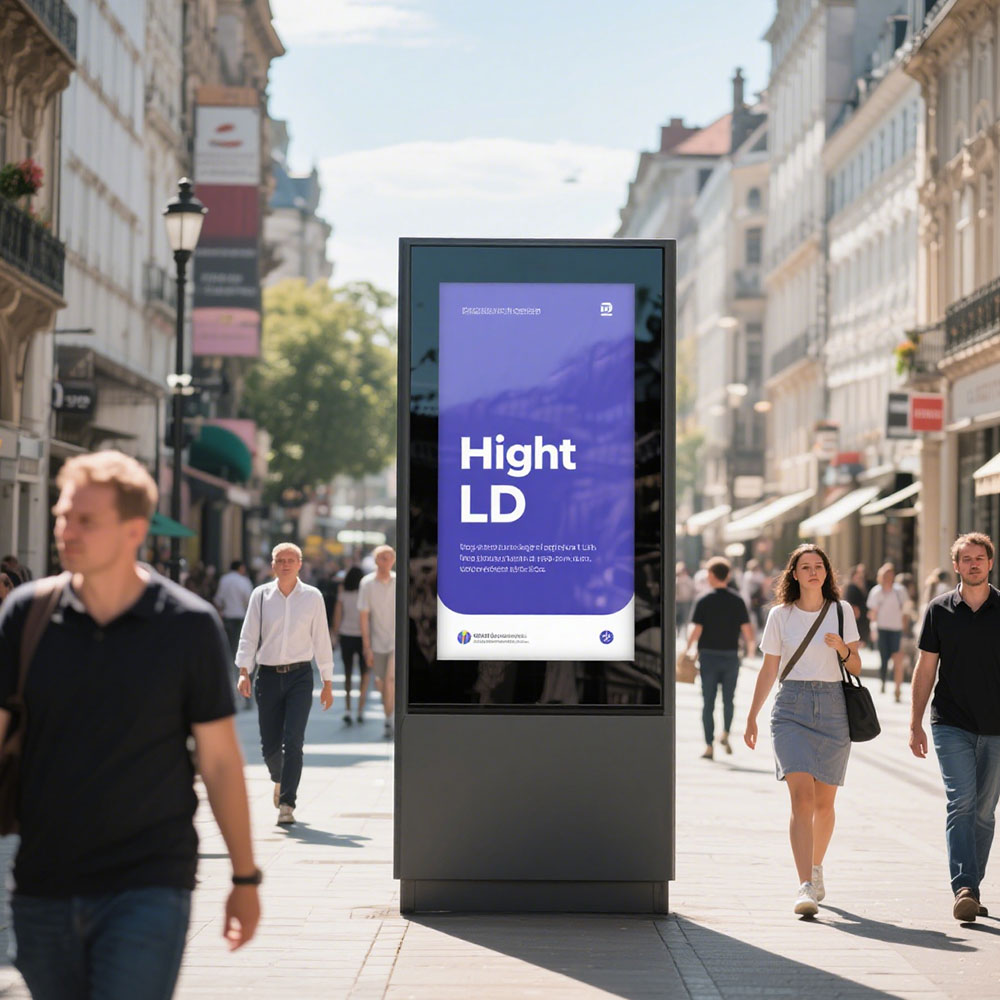
Manufacturers now integrate advanced technologies like MVA (Multi-domain Vertical Alignment) and PLS (Plane-to-Line Switching) to improve viewing angle consistency without sacrificing response time or contrast. These innovations are crucial for professional applications such as graphic design, medical imaging, and digital signage, where accurate color representation from any angle is essential.
Moreover, consumer-grade devices increasingly emphasize viewing angle as a selling point—especially in premium laptops and ultrawide monitors targeting remote workers and content creators. Reviews from trusted sources like TechRadar and Digital Trends consistently highlight wide viewing angles as a top feature in high-end displays. Industry standards such as ISO 9241-3 also recognize viewing angle as part of usability metrics, emphasizing its role in reducing eye strain and improving productivity.
Whether you're buying a monitor for home use or deploying a public display, understanding how viewing angle affects your experience can prevent costly mistakes and ensure long-term satisfaction. Always check manufacturer specs for "horizontal and vertical viewing angles" and consider real-world test videos or customer reviews to assess performance under varied lighting conditions.
上一篇:High-Brightness LCD Displays for Harsh Environments – 5,000 Nits with IP68 Waterproofing
下一篇:没有了