
Advancements in LCD Technology for Modern Displays
LCD (Liquid Crystal Display) technology remains a cornerstone in the global display industry, offering energy efficiency, high resolution, and cost-effective manufacturing. From smartphones and televisions to automotive dashboards and medical imaging devices, LCDs are widely deployed due to their versatility and reliability. One of the most significant advantages of LCDs is their low power consumption compared to older CRT displays—making them ideal for portable devices such as tablets and laptops. Moreover, advancements in backlighting technologies like LED and mini-LED have significantly improved brightness uniformity, contrast ratio, and color accuracy, enhancing visual performance across all consumer segments.
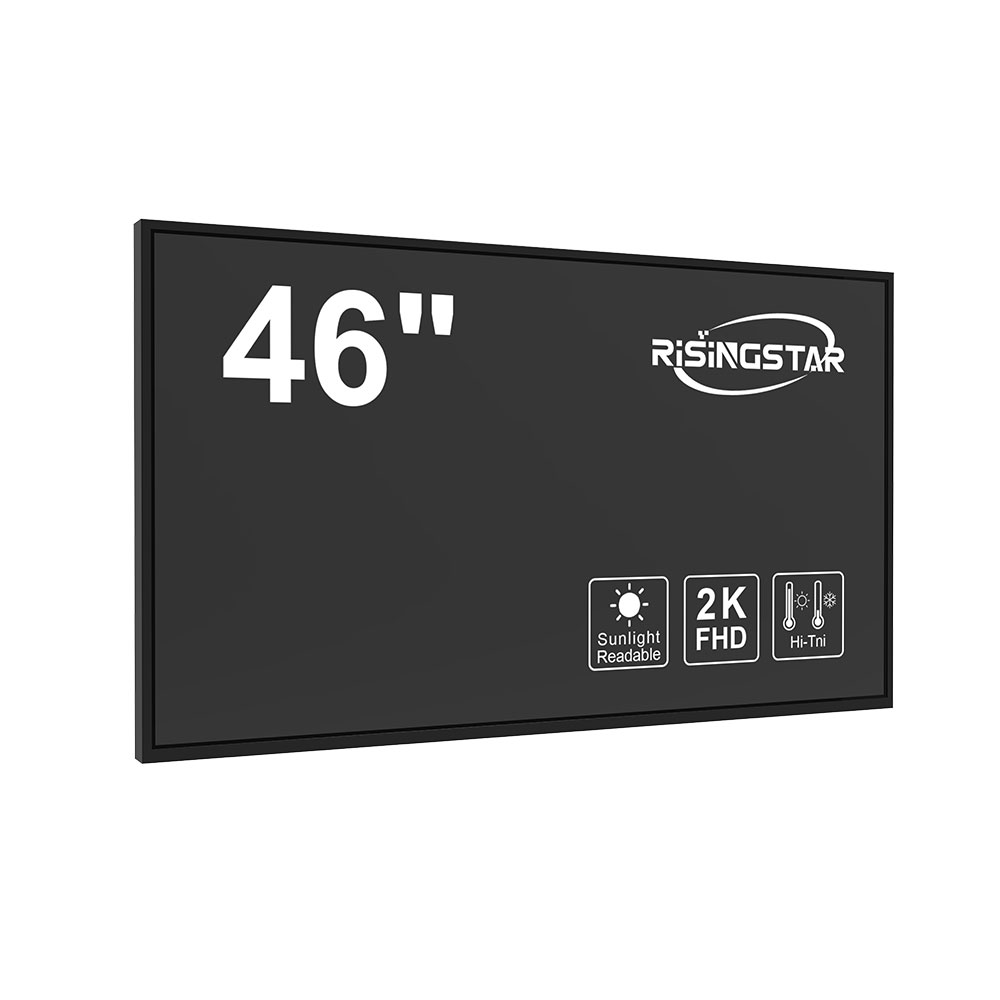
In practical applications, LCDs dominate the market for mid-range consumer electronics due to their balance between image quality and affordability. For example, 4K ultra-high-definition LCD panels are now standard in premium televisions, while smaller form-factor LCDs power digital signage in retail environments and public transportation systems. In industrial settings, ruggedized LCD screens with wide temperature tolerance and anti-glare coatings ensure reliable operation in harsh conditions—from factory floors to outdoor kiosks.
Despite these strengths, common issues persist. One notable challenge is the limited viewing angle, which can cause color shift or dimming when viewed off-center—a problem addressed by newer IPS (In-Plane Switching) and VA (Vertical Alignment) panel technologies. Another issue is response time lag, particularly problematic in gaming and fast-motion video playback; however, manufacturers have introduced overdrive techniques and faster pixel transitions to mitigate this. Additionally, environmental concerns related to mercury content in CCFL backlights have led to the widespread adoption of LED-based alternatives, aligning with global sustainability standards such as RoHS (Restriction of Hazardous Substances).
The latest trends in LCD innovation include micro-LED integration for hybrid displays, local dimming enhancements for deeper blacks, and flexible LCDs that support curved and foldable designs. According to a 2023 report by Omdia, LCD panel shipments accounted for over 75% of the global display market, underscoring their continued dominance. Industry leaders like LG Display, BOE, and Samsung Display are investing heavily in R&D to improve pixel density, reduce bezels, and integrate AI-driven brightness optimization. These innovations not only extend the lifespan of LCD technology but also position it as a viable alternative to OLED in budget-conscious and high-volume markets.
As demand grows for energy-efficient, durable, and visually superior displays across sectors including healthcare, education, and smart home systems, LCDs remain a future-proof solution. With ongoing improvements in materials science, manufacturing precision, and software calibration, LCD technology continues to evolve beyond its original limitations—proving that even mature technologies can adapt and thrive in a rapidly changing digital world.