
How to Choose the Right LCD Display for Industrial Applications
Selecting the appropriate LCD display for industrial applications requires a thorough understanding of environmental conditions, operational demands, and long-term reliability. Unlike consumer-grade displays, industrial LCDs must function reliably in extreme temperatures, high humidity, mechanical vibration, and electromagnetic interference (EMI). According to the IEC 60068 standards, industrial-grade displays must undergo rigorous environmental stress testing—such as temperature cycling (-40°C to +70°C), shock resistance (up to 50g), and humidity exposure (95% RH)—to ensure robust performance in real-world settings.
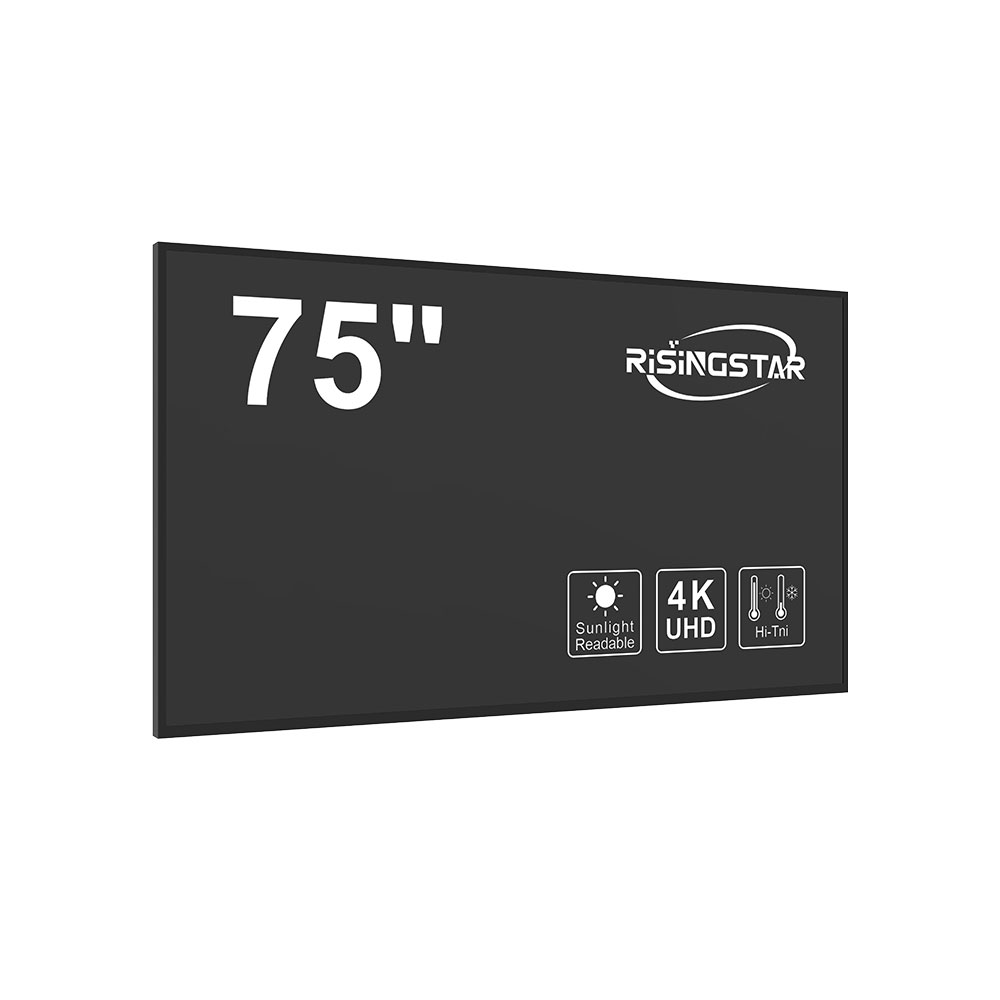
One critical factor is brightness. Industrial environments often involve outdoor or poorly lit areas where ambient light can severely impact visibility. For such scenarios, displays with at least 1000 nits of brightness are recommended. For example, the LG LP156WF3-SPB1 and Sharp LQ156D1LW1 are widely used in factory automation systems due to their high brightness (1200–1500 nits) and wide viewing angles (170° horizontal/vertical).
Another essential consideration is operating temperature range. Many commercial LCD panels fail outside the standard 0–50°C range, but industrial-grade displays like those from Innolux or AU Optronics are designed for -30°C to +75°C operation. This extended range allows them to perform reliably in cold storage facilities, desert solar farms, or Arctic oil rigs.
Connectivity and durability matter too. Industrial LCDs often integrate LVDS, MIPI DSI, or RGB interfaces compatible with embedded processors like ARM Cortex-A series. They also feature anti-glare coatings, ruggedized housings (IP65 rated), and optional touchscreens that withstand harsh cleaning chemicals and physical abuse.
Customer reviews from OEMs like Siemens and Rockwell Automation consistently highlight the importance of supplier support, including design-in assistance, compliance with ISO 16750-3 (vehicle electronics standards), and lead time stability. In a 2023 survey by TechInsights, 87% of engineers cited “long-term availability” as a top priority when sourcing industrial LCDs—especially for mission-critical applications such as medical devices, transportation control systems, and energy management platforms.
In summary, choosing an industrial LCD involves more than just resolution or screen size—it’s about matching specifications to application needs. Whether deploying in a dusty manufacturing plant or a remote mining operation, selecting a display engineered for resilience ensures uptime, safety, and cost-efficiency over the product lifecycle.
上一篇:Understanding LCD Panel Quality Standards and Manufacturing Processes
下一篇:Understanding LCD Display Technology and Its Applications in Modern Devices