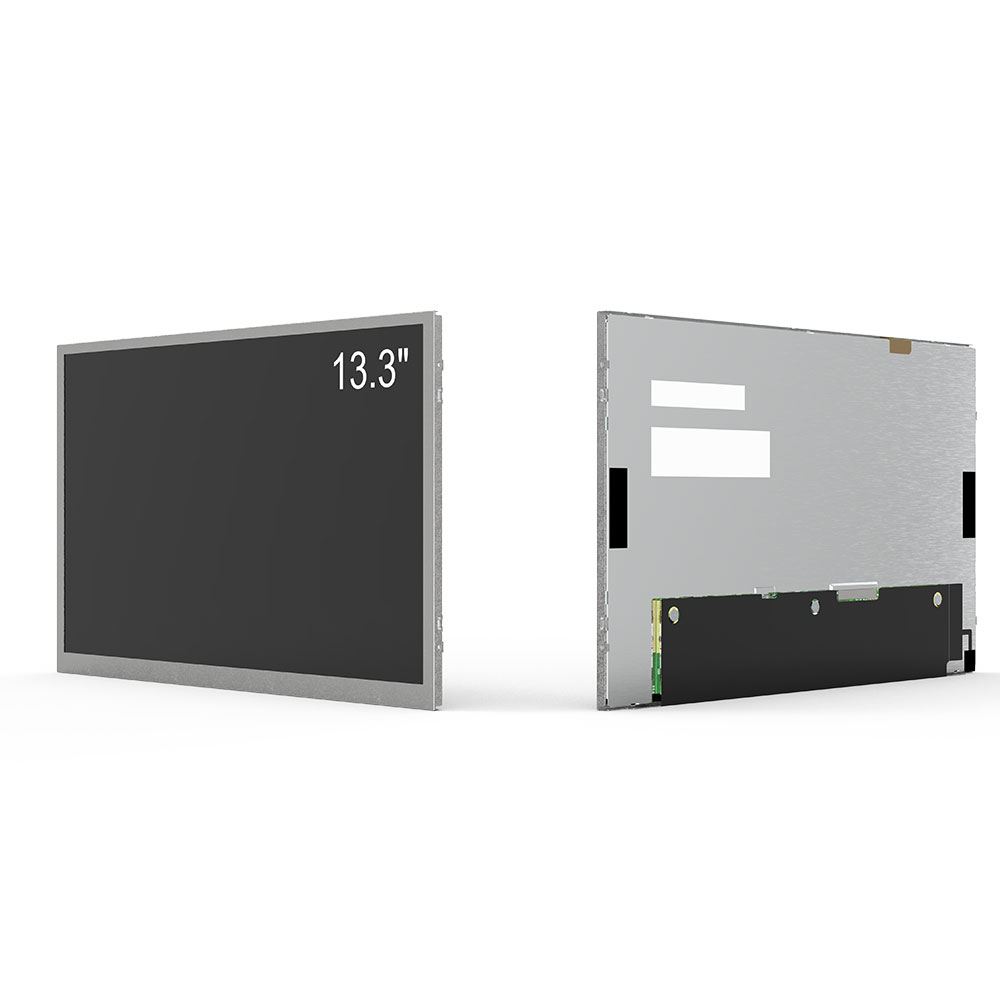
Understanding LCD Panel Quality Standards and Manufacturing Processes
In the rapidly evolving display technology landscape, Liquid Crystal Displays (LCDs) remain a dominant force in consumer electronics, from smartphones and laptops to large-format TVs and industrial monitors. Ensuring high-quality LCD panels demands strict adherence to international manufacturing standards such as ISO 9001 for quality management and IEC 60068 for environmental testing. These standards guide every phase—from raw material sourcing to final product validation—ensuring consistency, reliability, and performance across global markets.
The core of an LCD panel lies in its liquid crystal layer, which modulates light passing through polarized filters. During manufacturing, precision alignment of the glass substrates, uniformity of the liquid crystal cell gap (typically between 3–7 μm), and defect-free electrode patterning are critical. Advanced production lines now employ automated optical inspection (AOI) systems that detect micro-defects like dead pixels or mura patterns with sub-millimeter accuracy—improving yield rates by up to 15% compared to manual inspection methods.
Environmental durability is equally important. LCD panels must undergo rigorous stress tests, including temperature cycling (-20°C to +70°C), humidity exposure (85% RH), and mechanical shock resistance per IEC 60068-2 standards. For example, Samsung’s latest line of commercial-grade LCD panels passed 10,000 hours of continuous operation under high-temperature conditions without significant luminance degradation—a key benchmark for enterprise clients.
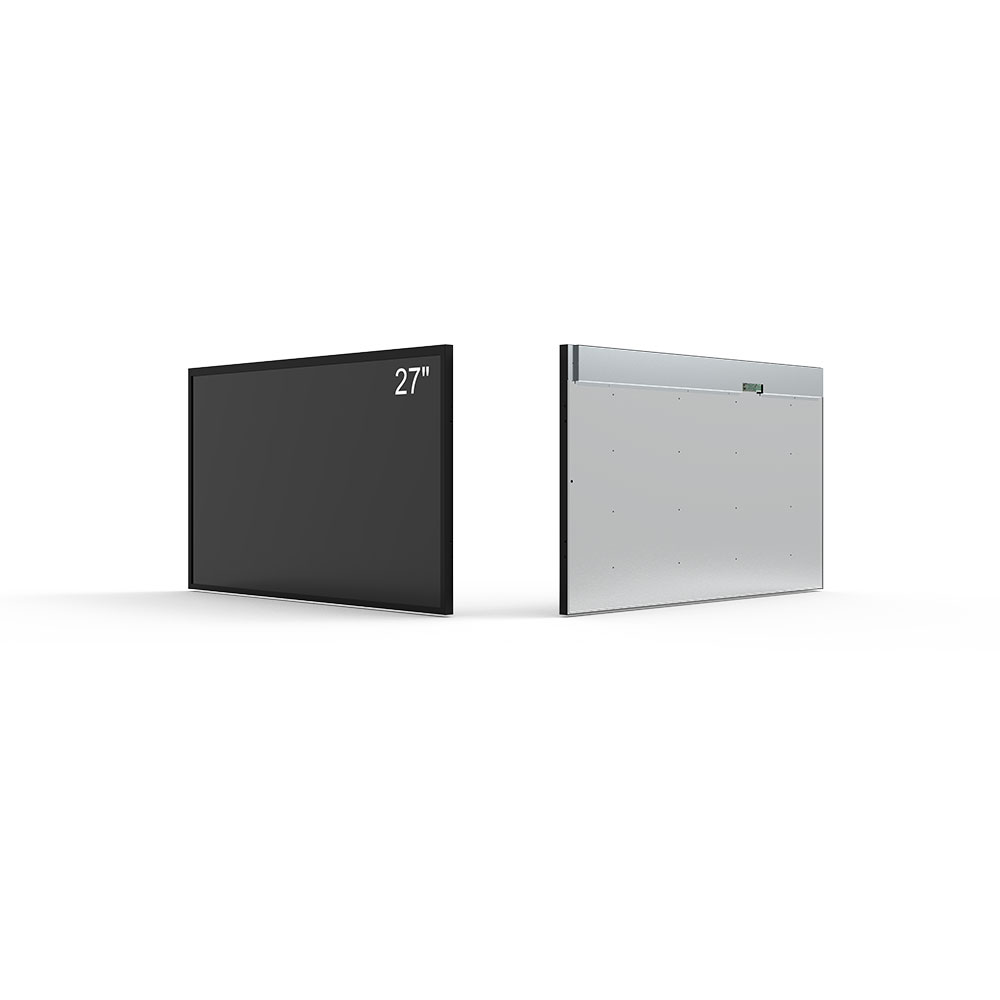
From a customer perspective, panel quality directly affects user experience. According to a 2023 report by Display Supply Chain Consultants (DSCC), panels with lower pixel defect rates (under 0.001%) and higher contrast ratios (>3000:1) consistently outperform competitors in market satisfaction surveys. OLED alternatives may offer deeper blacks, but LCDs still lead in brightness, power efficiency, and cost-effectiveness for mid-range and professional applications.
Moreover, sustainability plays a growing role in LCD manufacturing. Leading manufacturers like LG Display and BOE have adopted mercury-free backlight units and recyclable materials in their production processes—aligning with EU RoHS directives and global ESG goals. These practices not only reduce environmental impact but also enhance brand trust among environmentally conscious consumers.
For engineers and procurement managers, understanding these quality benchmarks helps make informed decisions when selecting suppliers or designing new products. Whether for automotive dashboards, medical imaging devices, or outdoor kiosks, choosing the right LCD panel requires evaluating test data, supplier certifications, and real-world usage scenarios—not just price points.