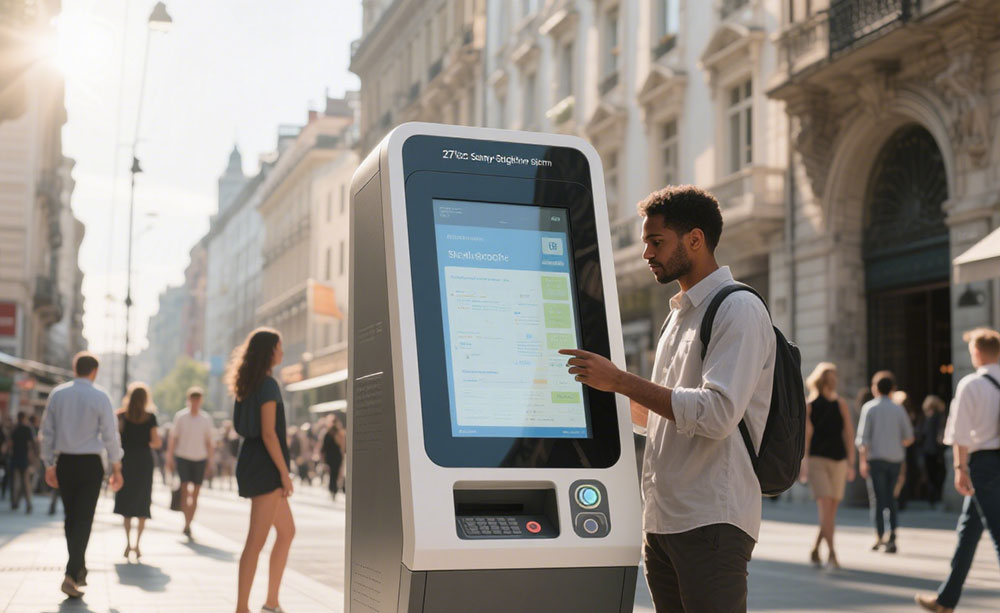
LCD Screen Sizes and Aspect Ratios for Modern Displays
In today’s rapidly evolving digital landscape, choosing the right LCD screen size is critical for both personal and professional applications. Whether you're designing a home entertainment setup, configuring an office workstation, or deploying industrial displays, understanding the relationship between display ratio and physical dimensions ensures optimal user experience. The most common aspect ratio across modern LCD panels remains 16:9—this widescreen format aligns with high-definition video standards (720p, 1080p, 4K) and is ideal for multimedia consumption, productivity tasks, and gaming.
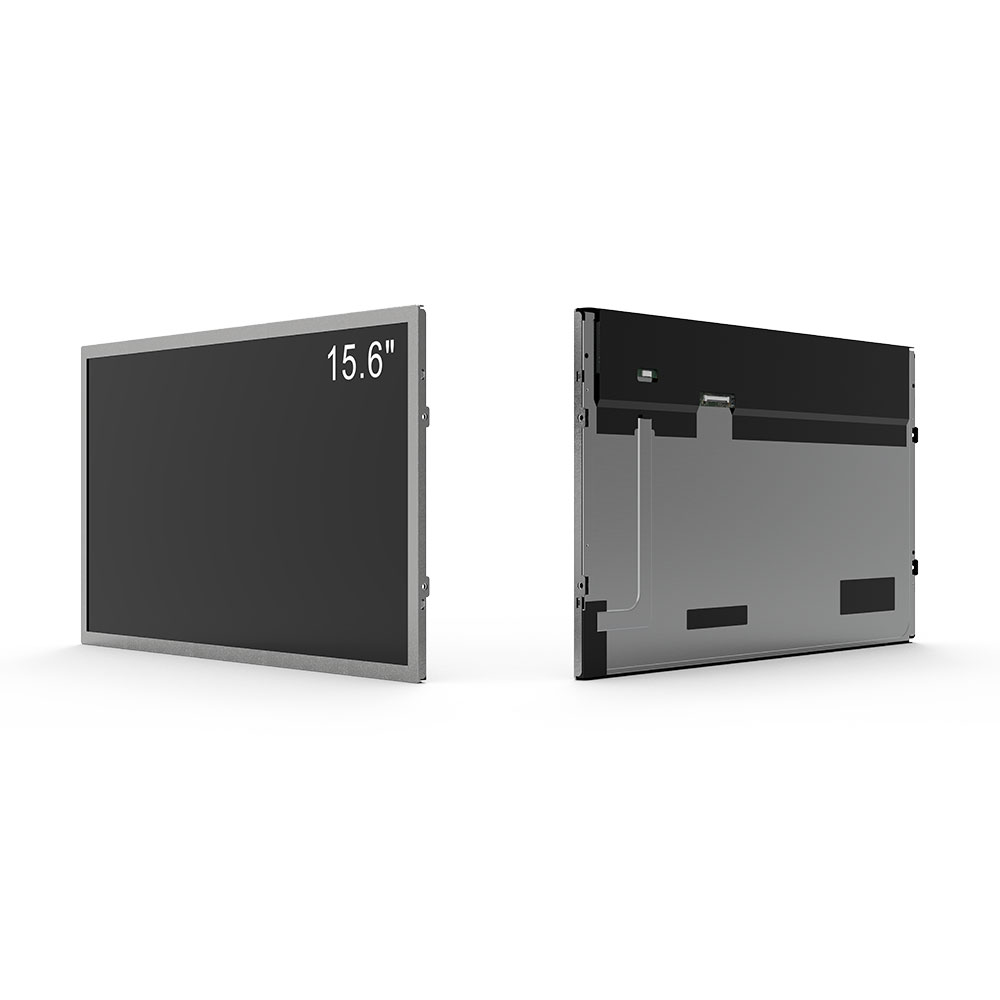
LCD screens are now available in a wide range of diagonal sizes—from compact 10.1-inch displays used in portable devices to massive 110-inch panels for commercial installations. Each size offers unique advantages based on usage scenarios. For instance, 10.1” and 13.3” screens are popular in tablets and laptops due to portability and power efficiency. Mid-sized options like 15.6” and 18.5” dominate the laptop and desktop monitor market, offering excellent balance between screen real estate and desk space. Larger formats such as 21.5”, 23.8”, and 27” are ideal for home offices, while 32” to 55” screens cater to living room setups and business presentations.
For commercial and public environments, ultra-large displays from 65” up to 110” are increasingly adopted in retail, education, and control rooms. These sizes provide immersive viewing experiences and allow multiple users to see content clearly without crowding. Notably, all these screens maintain a consistent 16:9 aspect ratio, ensuring compatibility with mainstream content delivery systems—including HDMI, DisplayPort, and wireless streaming protocols like Miracast and AirPlay.
Manufacturers also integrate advanced technologies such as IPS panels, LED backlighting, and anti-glare coatings to enhance image quality, color accuracy, and durability. For example, a 43” 16:9 IPS LCD with Full HD resolution delivers vibrant visuals suitable for digital signage, while a 75” 4K UHD panel provides cinematic clarity for conference rooms and command centers.
Environmental factors like ambient lighting, viewing distance, and mounting configurations must be considered when selecting screen size. Industry guidelines suggest that for a 1080p display, the ideal viewing distance is about 1.5 to 2 times the screen height. This principle applies universally across all sizes—from small handheld displays to large-format TVs.

With ongoing innovations in manufacturing processes and global demand for uniformity in display ecosystems, 16:9 remains the gold standard. As new resolutions emerge (e.g., 8K), the 16:9 ratio continues to serve as a reliable foundation for future-proof display solutions.