
How Ultra-Wide Digital Shelf Screens Are Transforming Retail Display Technology
In today’s competitive retail landscape, businesses are constantly seeking innovative ways to capture consumer attention and drive sales. One of the most impactful advancements in recent years is the rise of ultra-wide digital shelf screens—large-format, high-resolution displays designed specifically for product placement on store shelves. These screens not only replace traditional printed labels but also serve as dynamic digital signage that can adapt in real time to promotions, pricing changes, and customer behavior.
Ultra-wide digital shelf screens offer retailers a powerful tool for personalization and engagement. Unlike static posters or paper tags, they can display video content, product highlights, user reviews, and even AI-driven recommendations based on shopper demographics. For example, a grocery chain might use these screens to show recipe suggestions when a customer lingers near organic produce, or a cosmetics retailer could showcase tutorial videos when a specific brand is selected. This level of interactivity significantly boosts conversion rates by creating a more immersive shopping experience.
From an operational standpoint, the technology streamlines inventory management. By integrating with point-of-sale (POS) systems, these screens automatically update prices, stock levels, and promotional messages without manual labor. This reduces human error and ensures consistency across thousands of SKUs in large chains. According to a 2023 report by RetailWire, retailers using digital shelf solutions saw an average 15% increase in basket size due to better product visibility and targeted upselling.
Moreover, the environmental benefits are substantial. Replacing paper labels with digital alternatives reduces waste and lowers printing costs—a win for both sustainability and profitability. Leading manufacturers such as LG Electronics, Samsung, and NEC have developed ruggedized models suitable for humid, temperature-variable environments like supermarkets and pharmacies. Many now support edge computing capabilities, enabling local processing of data without constant cloud dependency—an important feature for stores in low-bandwidth areas.
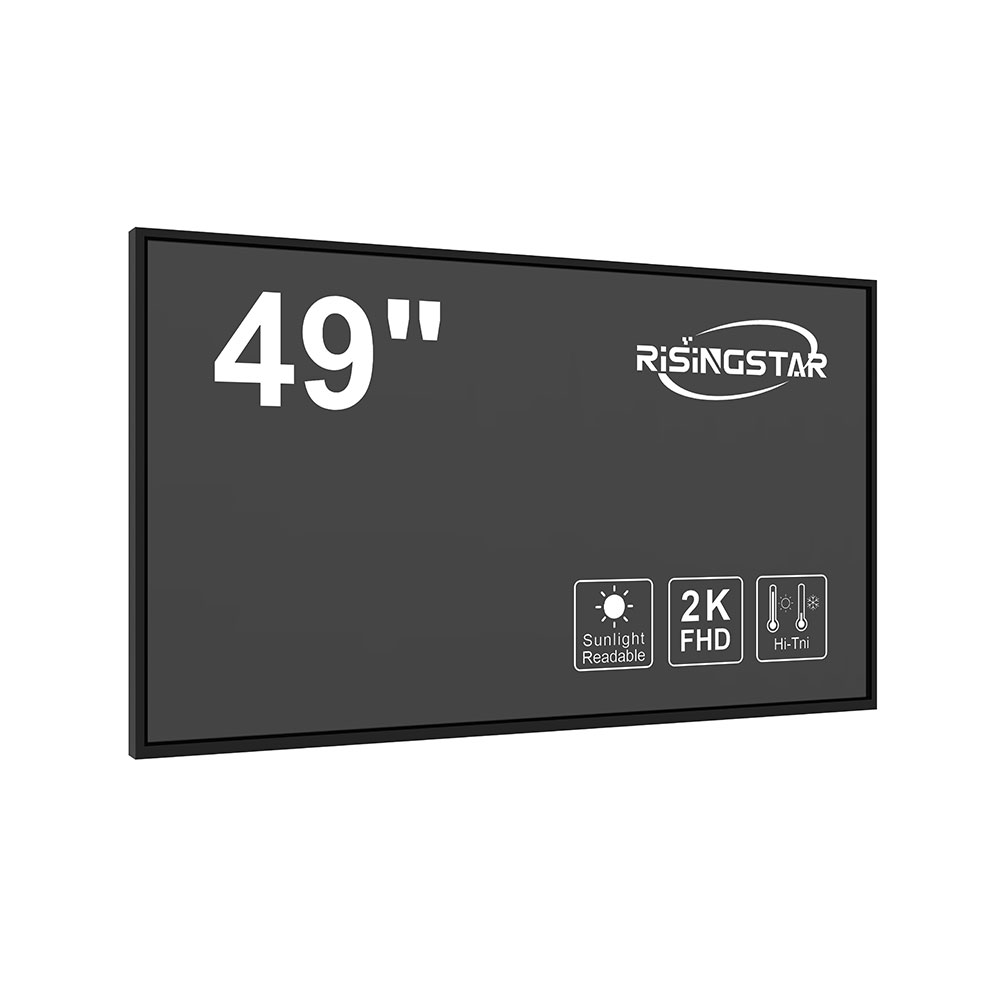
As consumer expectations shift toward convenience and personalized experiences, ultra-wide digital shelf screens represent a strategic investment. Whether in apparel, electronics, or food retail, these screens empower brands to communicate effectively at the point of purchase—turning passive shelf space into active marketing channels.
上一篇:How to Choose the Right LCD Display for Industrial Applications
下一篇:Understanding 4:3 Aspect Ratio LCD Displays in 15, 17, and 19-Inch Sizes for Professional Use