
Understanding 4:3 Aspect Ratio LCD Displays in 15, 17, and 19-Inch Sizes for Professional Use
In the evolving landscape of display technology, 4:3 aspect ratio LCD monitors remain a vital choice for specialized applications such as industrial control systems, medical imaging, legacy computer systems, and certain office environments. Unlike modern widescreen displays with 16:9 or 21:9 ratios, 4:3 displays offer a more square-like format that aligns better with traditional software layouts, spreadsheet grids, and text-heavy documents—making them ideal for productivity-focused users.
Among the most commonly used sizes are 15-inch, 17-inch, and 19-inch screens. These dimensions provide a balance between screen real estate and portability while maintaining high pixel density when paired with standard resolutions like 1024×768 (SXGA) or 1280×1024 (UXGA). For instance, a 15-inch 4:3 LCD typically delivers a sharp image at 1024×768 resolution, offering 100% compatibility with older operating systems like Windows XP or legacy CAD/CAM tools. Similarly, a 17-inch model often supports 1280×1024 resolution, providing increased vertical space for multi-window workflows—a feature valued by engineers, accountants, and healthcare professionals.
Manufacturers such as LG, Samsung, and NEC continue to support this format through both new production lines and refurbished units, especially in regions where upgrading entire IT infrastructures is cost-prohibitive. In fact, according to a 2023 report by IDC, over 12% of enterprise desktop deployments in Europe still rely on 4:3 displays due to their reliability, ergonomic benefits, and lower power consumption compared to larger widescreen alternatives.
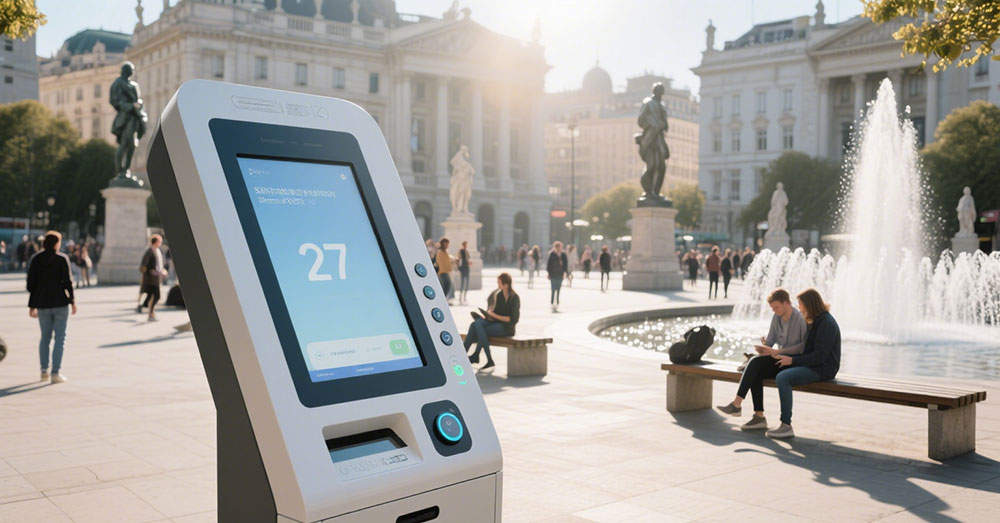
Environmental durability is another strength of these monitors. Many models feature ruggedized designs suitable for factory floors, hospitals, or military installations. For example, the LG LP195QW-DC1 boasts an IP65-rated front panel and operates reliably within -20°C to +60°C temperature ranges—an advantage over modern panels lacking similar specifications.
Moreover, the 4:3 aspect ratio preserves original content proportions without letterboxing or distortion, which is crucial for accurate visual representation in fields like graphic design and data visualization. Whether it's a 15-inch portable unit for field technicians or a 19-inch fixed workstation for call centers, these displays maintain consistent image quality across various lighting conditions thanks to advanced LED-backlit panels and wide viewing angles (up to 170°).
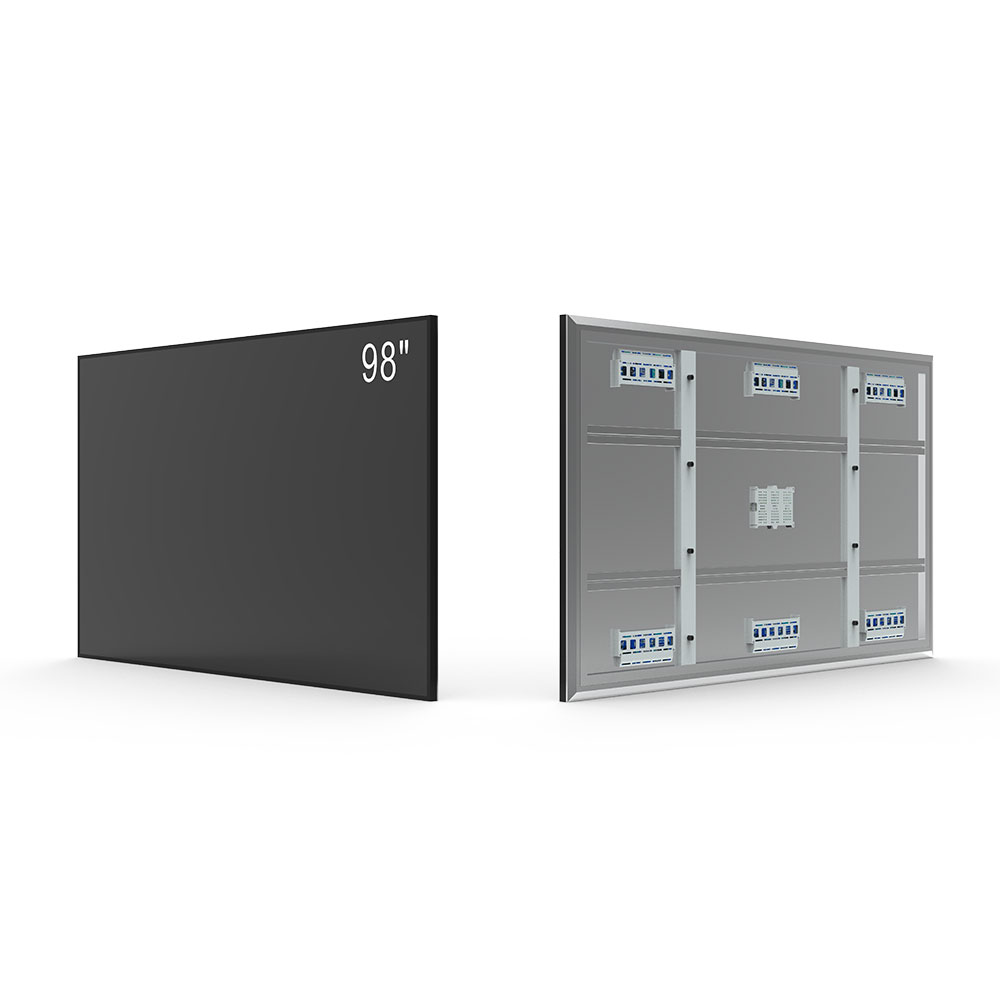
For businesses seeking long-term value, investing in 4:3 LCDs ensures backward compatibility with existing hardware and software ecosystems. With proper maintenance and periodic calibration, these monitors can serve effectively for over a decade—offering a sustainable and cost-efficient alternative to constantly replacing equipment.
上一篇:How Ultra-Wide Digital Shelf Screens Are Transforming Retail Display Technology
下一篇:Choosing the Right 4:3 Aspect Ratio LCD Monitor for Professional and Industrial Use