
Sunlight Readable Touch Screen Display for Outdoor Applications
In today’s increasingly connected world, the demand for reliable and visible touch screen displays in outdoor environments has surged—especially in sectors like transportation, industrial automation, agriculture, and public infrastructure. A sunlight readable touch screen display is engineered to maintain clarity, responsiveness, and accuracy even under direct sunlight, making it indispensable for real-world deployment where ambient light levels are unpredictable or extremely high.
Traditional LCDs often fail in bright outdoor conditions due to low contrast ratios and poor brightness levels. Sunlight readable displays overcome this by incorporating advanced technologies such as high-brightness LEDs (typically 3000–5000 nits), anti-reflective coatings, and optimized polarization filters. These features ensure that content remains legible from any viewing angle—even under harsh midday sun. For example, industrial-grade displays used in construction sites or fleet management systems must be visible at all times to prevent operational delays or safety risks.
Moreover, modern sunlight readable touch screens are designed with ruggedized materials to withstand extreme temperatures, humidity, and vibration. Many models meet IP65 or higher ingress protection standards, making them suitable for use in marine, military, or agricultural applications. Some manufacturers integrate capacitive or surface acoustic wave (SAW) touch technology that remains functional while wearing gloves—a critical feature in cold climates or hazardous environments.
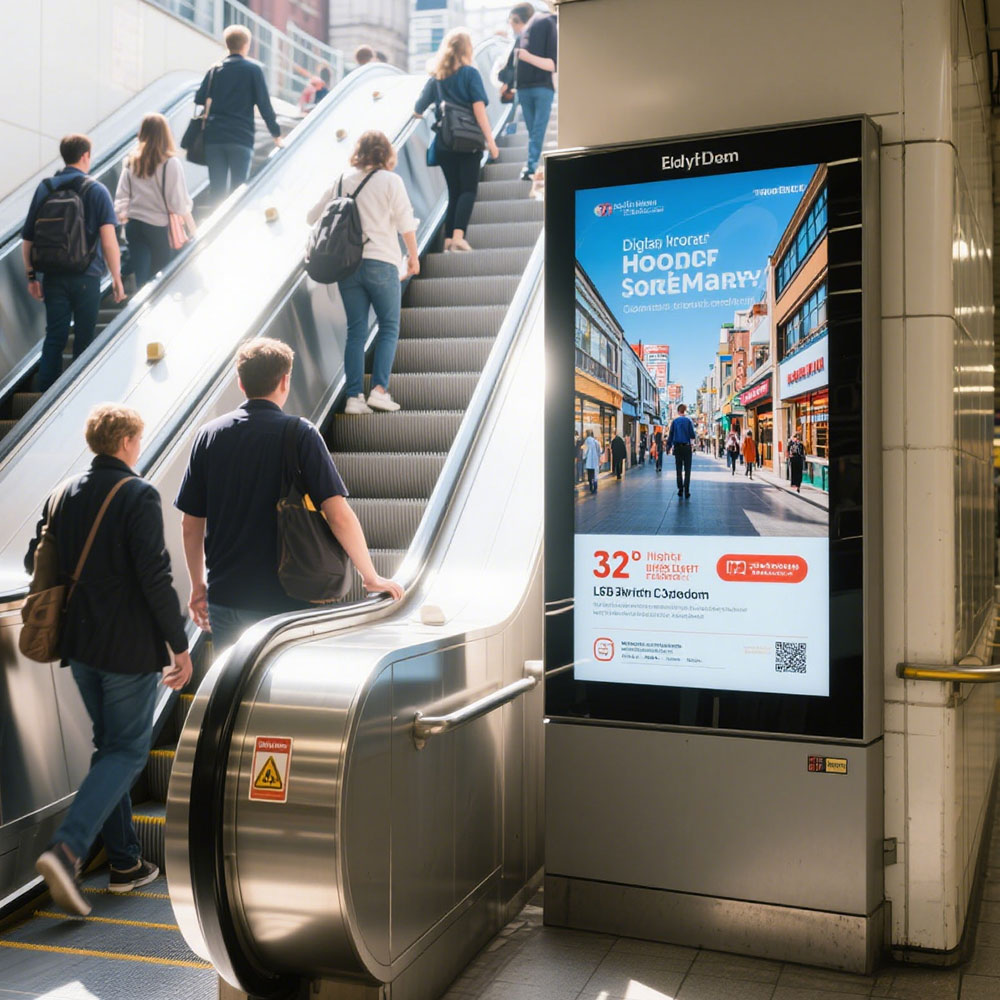
Case studies from the logistics industry reveal that deploying sunlight readable touch screens in delivery vehicles reduced human error by up to 40%, as drivers could easily interact with navigation and inventory systems without squinting or relying on secondary lighting. Similarly, in smart city initiatives, municipal kiosks equipped with these displays have seen a 25% increase in user engagement compared to standard indoor displays installed outdoors.
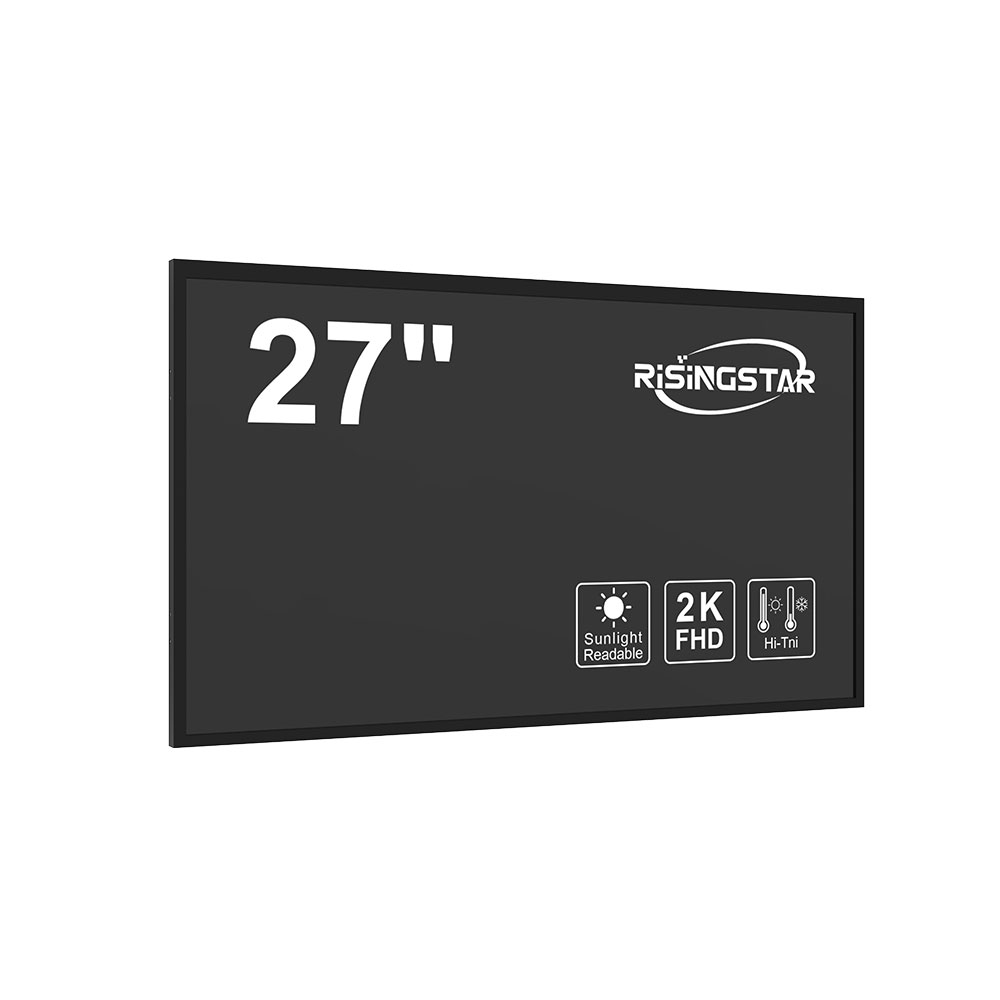
Leading manufacturers such as ELO Touch Solutions, COTS USA, and LG Display offer certified sunlight readable panels compliant with MIL-STD-810G for durability and ISO 9241-3 for usability. When selecting a solution, engineers should consider not only peak brightness but also power efficiency, response time, and compatibility with existing control systems. For instance, a 10.4-inch 1920x1200 resolution display with 4000 nits brightness and wide temperature range (-30°C to +70°C) can support mission-critical operations in both arctic research stations and desert solar farms.
As the Internet of Things (IoT) expands into outdoor ecosystems—from weather monitoring to autonomous vehicle interfaces—the role of sunlight readable touch screens will continue to grow. With ongoing innovations in OLED and micro-LED technologies, future iterations promise even better energy efficiency and visual performance under variable lighting conditions.

上一篇:Choosing the Right LCD Resolution for Your Display Needs
下一篇:IK10 LCD Panel Technology and Applications in Modern Display Systems