How to Choose the Right LCD Panel for Your Display Needs
Selecting the right LCD panel is a critical decision that impacts not only image quality but also longevity, power efficiency, and overall performance in consumer electronics, industrial displays, and medical equipment. Whether you're designing a smartphone screen, a digital signage solution, or a high-precision monitor for medical imaging, understanding panel technology ensures optimal user experience.
LCD panels come in several types—Twisted Nematic (TN), In-Plane Switching (IPS), Vertical Alignment (VA), and Advanced Super Dimensional Switch (ADS)—each offering unique advantages. TN panels are cost-effective and fast, making them ideal for gaming monitors, though they sacrifice color accuracy and viewing angles. IPS panels provide superior color reproduction and wide viewing angles, which makes them the go-to choice for graphic design and professional displays. VA panels offer excellent contrast ratios and deeper blacks, commonly used in home theater systems and budget-friendly TVs. ADS panels, a variant of IPS developed by LG Display, combine high brightness with sharp images and are often found in commercial displays and automotive dashboards.
When choosing a panel, consider key metrics like resolution, refresh rate, brightness (measured in nits), response time (in milliseconds), and color gamut (e.g., sRGB, DCI-P3). For example, a 4K UHD display with a 120Hz refresh rate and 95% DCI-P3 coverage is essential for video editing workstations. Meanwhile, an industrial control panel might prioritize ruggedness, temperature tolerance (-20°C to 60°C), and sunlight readability over raw specs.
Environmental factors matter too—ambient lighting, viewing distance, and mounting conditions influence panel suitability. A retail kiosk in bright daylight needs high brightness (≥500 nits) and anti-glare coatings, while a hospital monitor must meet ISO 13485 standards for biocompatibility and reliability.
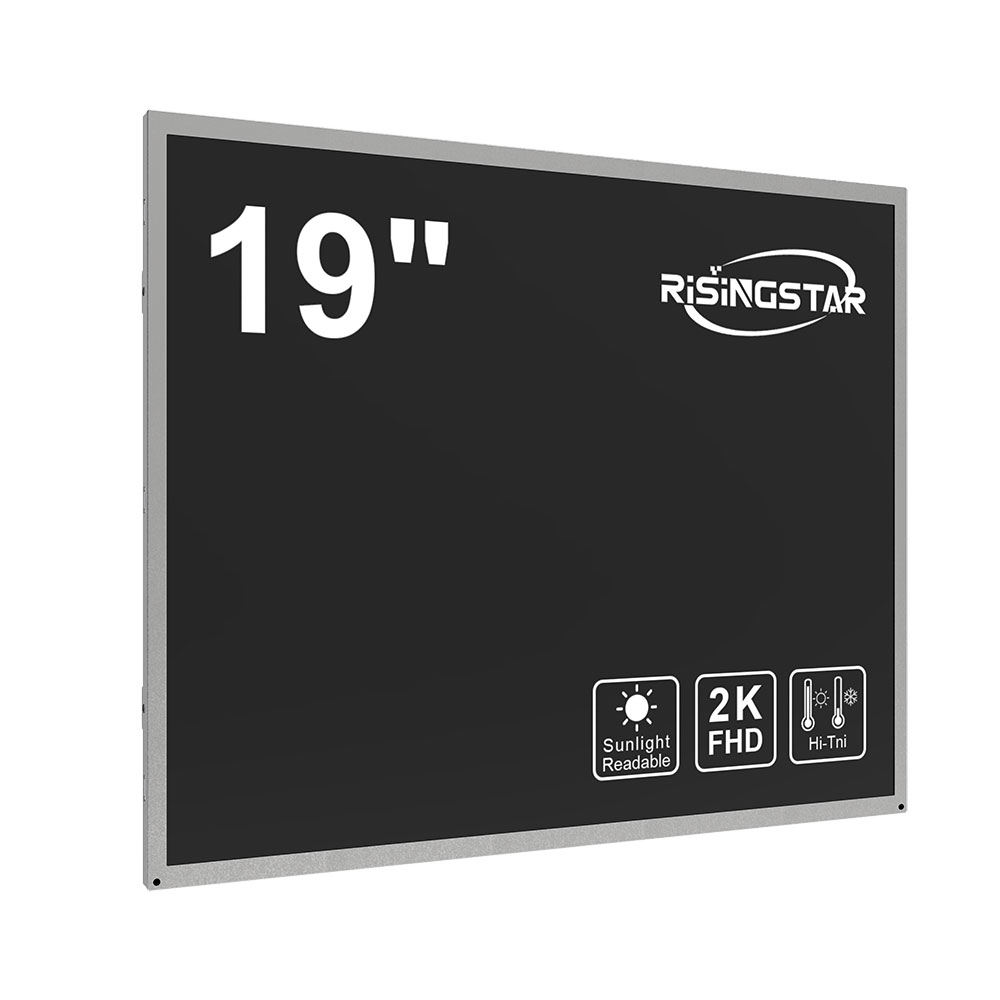
Industry benchmarks such as VESA DisplayHDR certification and energy efficiency ratings (like ENERGY STAR) help filter options. Always request sample panels for real-world testing—especially for custom applications—to ensure compatibility with your hardware, firmware, and use case.
Ultimately, the best LCD panel isn’t defined by one spec alone but by how well it aligns with your application’s priorities: whether that’s pixel-perfect clarity, rapid response, durability, or energy savings.