
Digital Signage Outdoor Display Solutions for Modern Advertising
In today’s fast-paced digital world, businesses are increasingly turning to digital signage outdoor display solutions to capture attention and deliver impactful messaging in high-traffic environments. Unlike traditional static billboards, digital signage offers dynamic content updates, real-time data integration, and audience targeting capabilities—making it a powerful tool for retail, transportation hubs, corporate campuses, and public spaces.
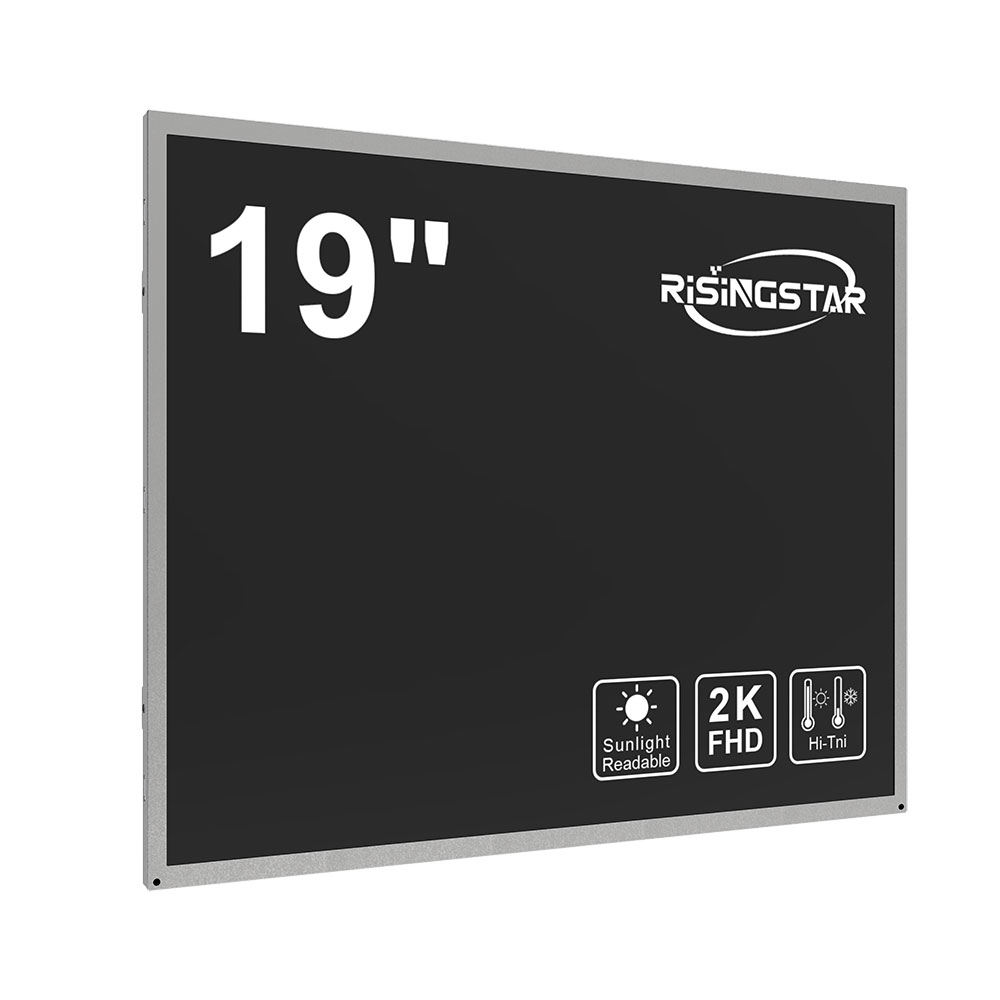
Outdoor digital signage is engineered for durability and performance under harsh environmental conditions. Leading manufacturers now produce displays with IP65 or higher ratings, ensuring resistance to dust, water, and UV radiation. These screens often feature high-brightness panels (up to 5,000 nits), allowing clear visibility even in direct sunlight—a critical requirement for effective outdoor advertising. For instance, LG’s SIGNAGE OLED outdoor displays and Samsung’s The Wall™ modular LED systems are widely adopted by brands like McDonald’s and BMW for their resilience and visual clarity.
Content management systems (CMS) have also evolved significantly. Cloud-based platforms such as Scala, NoviSign, and Xibo allow marketers to schedule content across multiple locations, monitor performance analytics, and remotely troubleshoot issues. This scalability makes digital signage ideal for national campaigns where consistency and brand integrity matter. A 2023 study by Futuresource Consulting found that companies using centralized CMS saw up to 37% improvement in campaign ROI compared to those relying on manual content deployment.
Moreover, outdoor digital signage integrates with IoT sensors and AI-driven analytics. Smart displays can detect foot traffic patterns, time-of-day behavior, and even weather changes to adjust content dynamically—such as promoting umbrellas during rain or highlighting cold beverages in summer. Such contextual relevance increases engagement rates by over 40%, according to a Nielsen report.
Environmental sustainability is another growing priority. Many modern outdoor displays use energy-efficient LED backlights and low-power modes that reduce consumption by up to 60% compared to older LCD models. Certifications like ENERGY STAR and EPEAT ensure compliance with global standards, appealing to environmentally conscious brands and municipalities.
Finally, the rise of 5G connectivity enables seamless remote updates and live streaming capabilities—critical for events, emergency alerts, or breaking news. In cities like London and Singapore, municipal governments deploy digital signage networks powered by 5G to provide real-time transit info, air quality data, and civic announcements.
Whether used for commercial advertising, public service communication, or interactive kiosks, digital signage outdoor displays represent a future-proof investment. As technology advances, expect more intelligent, sustainable, and immersive experiences that bridge the gap between physical space and digital engagement.