
Understanding LCD Panel Technologies and Their Impact on Display Performance
LCD (Liquid Crystal Display) panels have become the dominant display technology in modern electronics, from smartphones and tablets to televisions and industrial monitors. Their ability to produce sharp images with low power consumption has made them indispensable across multiple industries. However, not all LCD panels are created equal—different technologies within the LCD family significantly impact performance metrics such as brightness, contrast, response time, color accuracy, and viewing angles. Understanding these variations is crucial for engineers, designers, and end-users who seek optimal visual experiences tailored to specific applications.
The evolution of LCD technology began in the late 20th century, when liquid crystals were first used to control light passage through thin-film transistors (TFTs). Early LCDs were limited by slow response times and poor contrast ratios, making them unsuitable for fast-moving visuals like video playback. Over decades, advancements in materials science, pixel design, backlighting, and driver circuitry have transformed LCDs into high-performance displays capable of rivaling OLED and microLED technologies in many use cases.
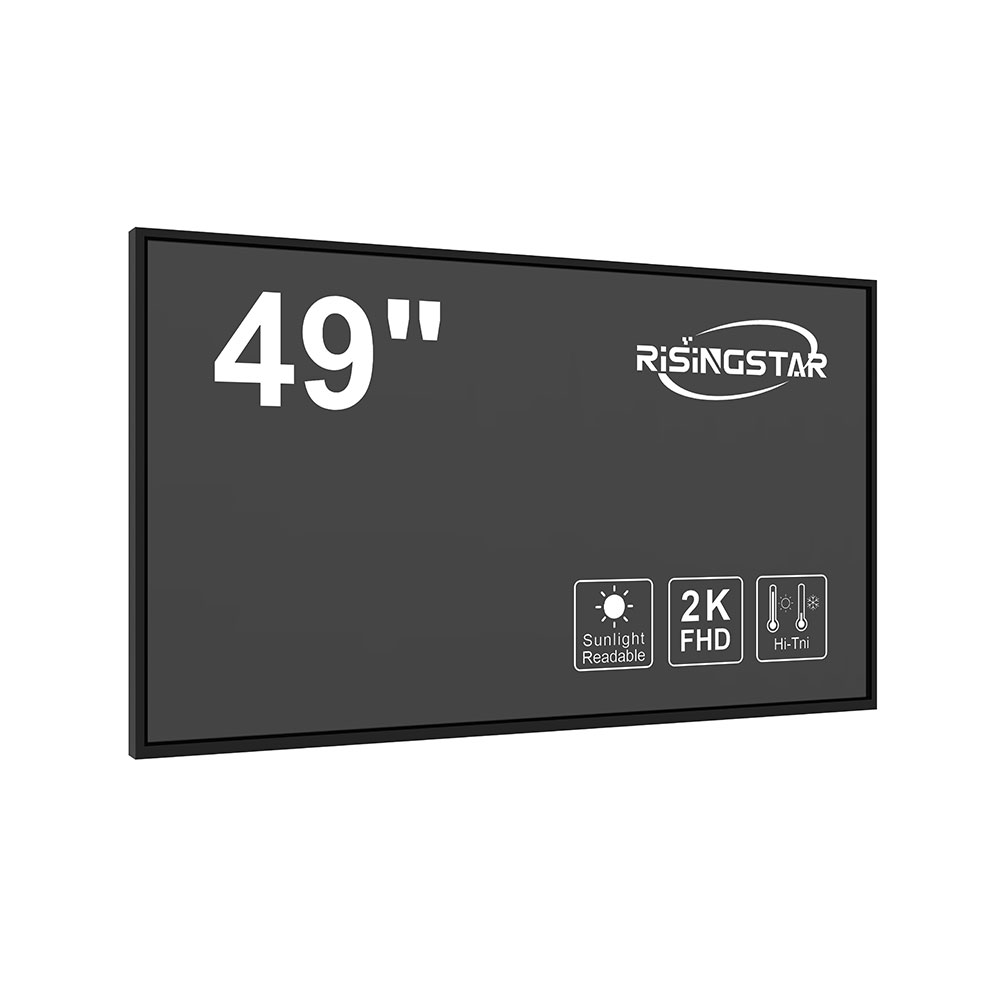
Today’s LCD panels fall into several major categories based on their underlying structure and driving methods. The most common types include Twisted Nematic (TN), In-Plane Switching (IPS), Vertical Alignment (VA), and Advanced Super View (ASV)—each offering distinct trade-offs between cost, image quality, and performance. TN panels are widely used in budget-friendly monitors due to their fast response times but suffer from narrow viewing angles and limited color reproduction. IPS panels, while more expensive, provide superior color consistency and wider viewing angles—making them ideal for graphic design, medical imaging, and professional photography. VA panels offer excellent contrast ratios and deep blacks, particularly suitable for home entertainment systems where dark scenes in movies need to appear immersive. ASV, a variant developed by Sharp, improves upon VA by enhancing brightness uniformity and reducing motion blur, often seen in high-end commercial displays.
A critical component of any LCD panel is the backlight system. Traditional CCFL (Cold Cathode Fluorescent Lamp) backlights have largely been replaced by LED (Light Emitting Diode) lighting, which offers better energy efficiency, longer lifespan, and more precise local dimming capabilities. Edge-lit LEDs are commonly found in thinner devices like laptops and TVs, while direct-lit or full-array LED backlights enable advanced features such as dynamic local dimming, improving black levels and overall contrast. Mini-LED and Micro-LED backlighting technologies are now emerging as next-generation solutions, promising even greater brightness uniformity and contrast control.
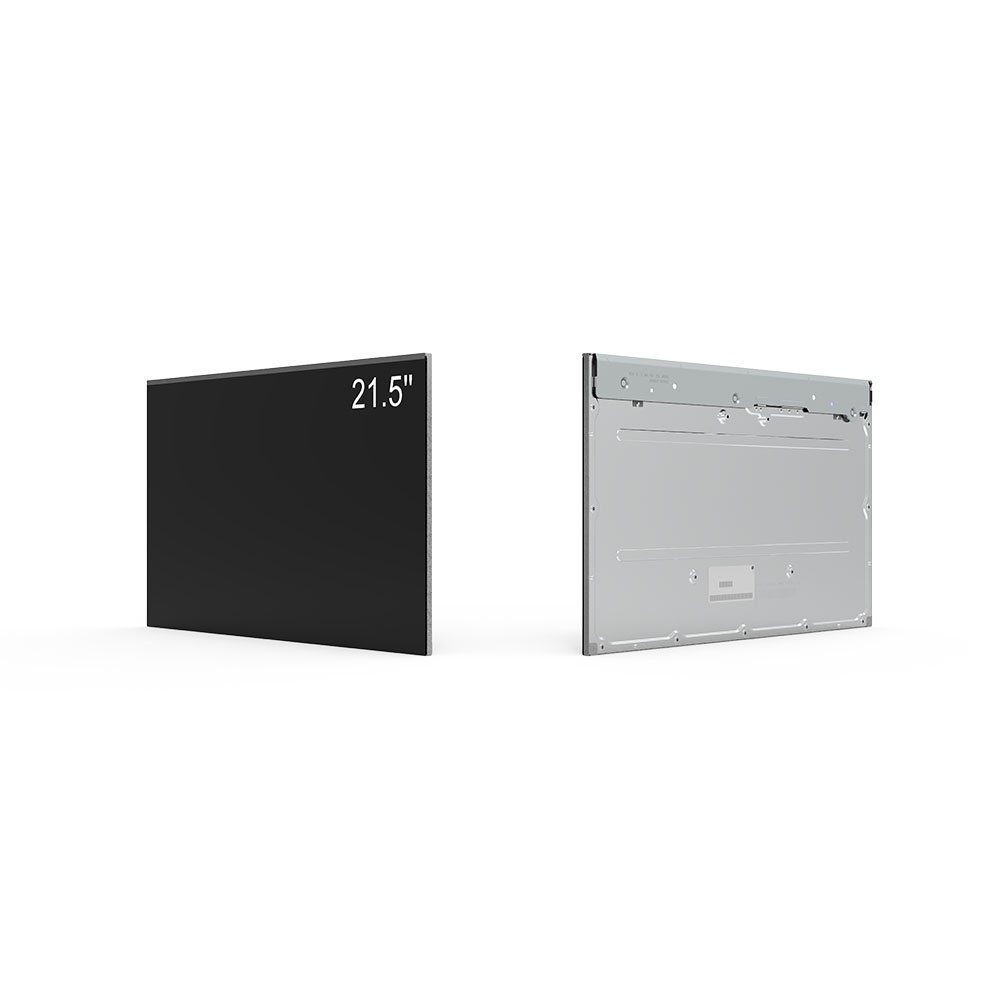
Another important aspect of LCD performance is the pixel architecture. Modern LCDs use subpixel arrangements such as RGB stripe, PenTile, or Delta layout, each affecting how colors blend at different viewing angles. Subpixel density, measured in pixels per inch (PPI), determines clarity and sharpness. Higher PPI values (e.g., 300+ for mobile screens) result in smoother text rendering and richer detail. Additionally, innovations like quantum dot enhancement layers (QLED technology) improve color gamut coverage beyond standard sRGB, enabling displays that match or exceed the color range of OLEDs in certain conditions.
Response time—the speed at which pixels transition from one state to another—is vital for dynamic content such as gaming and sports broadcasts. While early LCDs had sluggish responses (50–100ms), current models achieve sub-10ms response times using overdrive techniques and optimized driver ICs. Some manufacturers even advertise “ultra-fast” response times (under 1ms) for competitive gaming monitors, though real-world performance may vary depending on input lag, frame rate synchronization, and panel calibration.
Viewing angle stability refers to how consistently colors and brightness remain visible when viewed from off-center positions. TN panels typically show significant degradation beyond ±30°, whereas IPS and VA panels maintain usability up to ±70° or more. This makes IPS especially valuable in collaborative environments like office workstations or digital signage where multiple users view the screen simultaneously.
Contrast ratio—a measure of the difference between white and black levels—is another key metric. High contrast enhances depth perception and realism, especially in cinematic content. VA panels generally deliver the best native contrast ratios (up to 4000:1), while IPS and TN typically offer lower values unless enhanced via software algorithms or local dimming. Black uniformity, however, can be affected by backlight bleed or inconsistent diffusion layers, requiring careful manufacturing tolerances.
Color accuracy is essential for professionals in fields like photography, printing, and video editing. Professional-grade LCDs often feature factory-calibrated color profiles covering DCI-P3 or Adobe RGB color spaces, ensuring reliable reproduction of hues across devices. Calibration tools like X-Rite i1Display Pro or Datacolor SpyderX allow end-users to fine-tune displays for specific workflows. Furthermore, adaptive color temperature settings help reduce eye strain during prolonged use, particularly in office or healthcare settings.
Environmental factors also influence LCD performance. Temperature extremes, humidity, and exposure to UV radiation can degrade liquid crystal alignment or damage polarizing filters over time. Industrial-grade LCDs undergo rigorous environmental testing per standards like MIL-STD-810G or IEC 60068 to ensure reliability under harsh conditions such as those encountered in military equipment, automotive dashboards, or outdoor kiosks. These panels often incorporate anti-glare coatings, ruggedized casings, and wide operating temperature ranges (-20°C to +70°C).
In recent years, smart integration has become a defining trend in LCD development. Many modern panels come equipped with built-in sensors for ambient light detection, automatic brightness adjustment, and gesture recognition. Some manufacturers embed AI-driven optimization engines that analyze content in real-time to enhance contrast, sharpen edges, or suppress noise—all without compromising power efficiency. Such features make LCDs increasingly competitive against OLEDs in terms of both functionality and adaptability.
For consumers, choosing the right LCD panel depends on application-specific needs. Gamers benefit from fast-response TN or IPS panels with high refresh rates (144Hz–240Hz), while content creators prefer IPS panels with wide color gamuts and consistent color fidelity. Home theater enthusiasts often opt for VA-based TVs with local dimming support for cinematic immersion. Meanwhile, businesses deploying digital signage or point-of-sale systems require durable, sunlight-readable panels with long-term stability.
From an economic perspective, LCD technology remains cost-effective compared to alternatives like OLED or microLED, especially for larger screen sizes. According to market research by Omdia (2023), LCD accounts for approximately 75% of global display shipments, driven by its scalability, mature supply chain, and ongoing innovation. This dominance ensures continued investment in R&D, leading to improvements in energy efficiency, durability, and user experience.
Looking ahead, future developments in LCD technology will likely focus on increasing resolution beyond 8K, improving sustainability through reduced mercury content and recyclable materials, and integrating flexible or curved designs inspired by OLED. Hybrid approaches combining LCD with quantum dots, nanostructured optics, and AI-assisted processing may unlock new performance benchmarks in the coming decade.
Ultimately, understanding the nuances of LCD panel technologies empowers users to make informed decisions—not only for purchasing but also for optimizing performance across diverse scenarios. Whether designing a product, selecting a monitor, or evaluating a display for enterprise deployment, knowing how each panel type performs under real-world conditions is key to achieving the desired balance between cost, quality, and longevity.
上一篇:VGA Port vs DVI Understanding the Differences and Choosing the Right Connection for Your Display
下一篇:没有了