
How to Choose the Right LCD Panel for Your Display Needs
Selecting the right LCD panel is critical for achieving optimal display performance in both consumer electronics and industrial applications. Whether you're designing a smartphone, a medical monitor, or an automotive infotainment system, understanding the key factors that influence LCD panel selection can make the difference between a successful product and one that fails to meet user expectations.
First, consider the application context. Consumer devices like smartphones and tablets typically require high brightness, wide viewing angles, and low power consumption—often achieved through IPS (In-Plane Switching) panels. Industrial and outdoor displays, on the other hand, may prioritize ruggedness, high contrast ratios, and sunlight readability, which are better served by VA (Vertical Alignment) or TN (Twisted Nematic) panels with enhanced backlighting solutions.
Second, evaluate resolution and pixel density. Higher resolutions such as Full HD (1920x1080) or 4K are standard in premium devices, but they come with increased power draw and processing demands. For embedded systems or cost-sensitive projects, 720p or lower resolutions may be more practical without sacrificing usability.
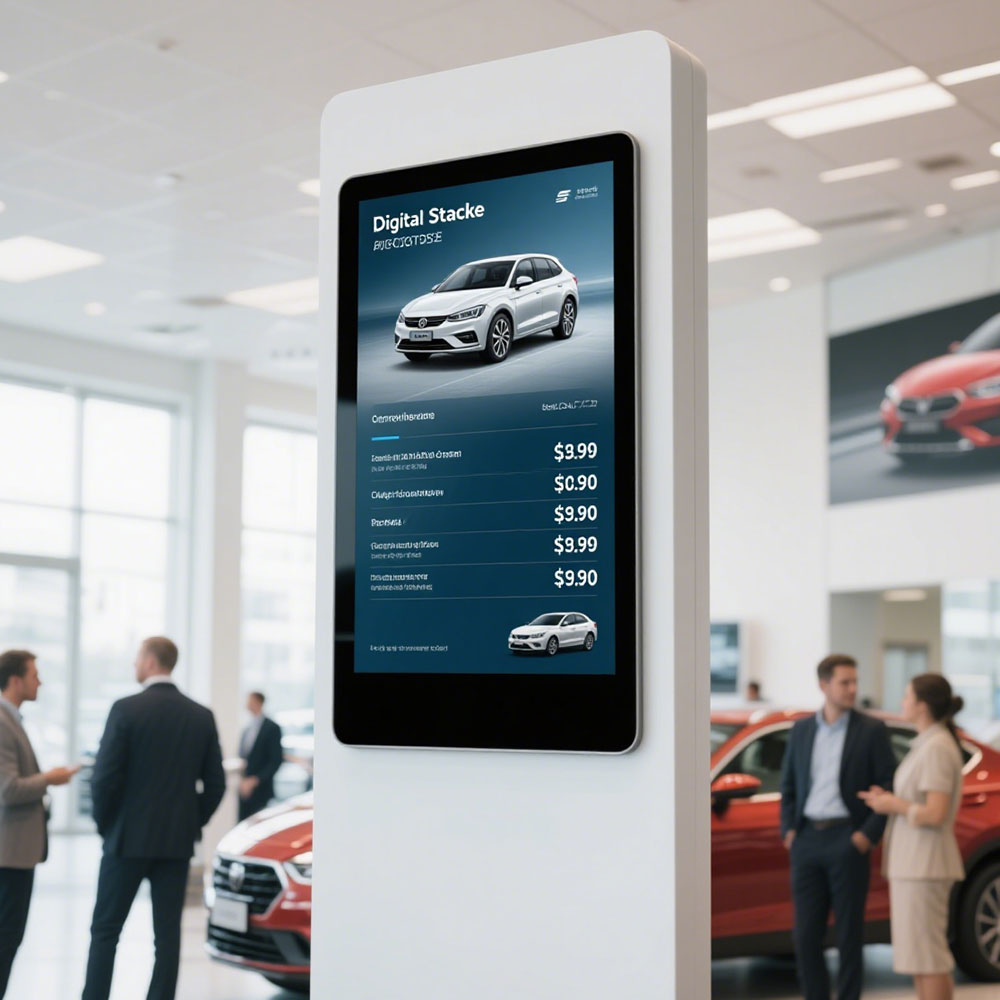
Third, examine response time and refresh rate. Gamers and professionals working with fast-moving visuals demand panels with sub-20ms response times and 60Hz or higher refresh rates. In contrast, static displays like digital signage can use slower response times (e.g., 30–50ms) to reduce costs.
Fourth, consider environmental conditions. If your product will operate in extreme temperatures—such as automotive dashboards in hot deserts or medical equipment in cold clinics—look for panels rated for wide operating temperature ranges (-20°C to +70°C). MIL-STD-810G compliance and IP65/67 ratings for dust and water resistance are also vital for harsh environments.
Finally, don’t overlook certifications and standards. Panels used in medical or aviation industries must comply with IEC 60601-1 for electrical safety and EMC (Electromagnetic Compatibility). These ensure reliability, reduce risk of interference, and support long-term serviceability.
Leading manufacturers like LG Display, Samsung Display, and AU Optronics offer certified, tested panels tailored to specific needs—from energy-efficient LCDs for smartwatches to ultra-bright panels for outdoor kiosks. Always consult datasheets, sample units, and real-world usage reports before finalizing your choice.
By aligning panel specifications with actual use cases, engineers and product designers can significantly improve end-user satisfaction while reducing development risks and production costs.