
How LCD Manufacturing Processes Impact Display Quality and Reliability
LCD (Liquid Crystal Display) technology remains a cornerstone in modern electronics, powering everything from smartphones and televisions to automotive dashboards and medical monitors. The quality and reliability of an LCD panel are not merely determined by its resolution or color gamut—they are deeply rooted in the manufacturing processes used to produce them. Understanding these processes is essential for engineers, product designers, and procurement professionals aiming to optimize performance while minimizing failure rates.
The first critical step in LCD manufacturing is substrate preparation. High-purity glass substrates—typically made from soda-lime or borosilicate glass—are cleaned using ultrasonic and chemical treatments to remove contaminants that could cause defects such as dark spots or pixel misalignment. Any residual particles can lead to non-uniform light transmission, directly affecting display uniformity. According to the Society for Information Display (SID), over 70% of early-stage LCD defects originate from inadequate substrate cleaning.
Next comes thin-film transistor (TFT) array fabrication. This process involves depositing layers of silicon, metal, and insulating materials using photolithography and etching techniques. Precision at this stage determines the electrical performance of each pixel’s driving circuitry. Advanced methods like 4K photolithography enable sub-micron feature sizes, crucial for high-resolution panels like 4K UHD displays. Misalignment during this phase can cause crosstalk between pixels or inconsistent brightness levels across the screen—a common issue in budget-tier devices.
Color filter and liquid crystal cell assembly follow. Color filters must be precisely aligned with the TFT array to ensure accurate RGB representation. Modern manufacturing uses automated optical inspection systems that scan each panel at multiple angles to detect misregistration errors. Liquid crystal injection, meanwhile, requires controlled pressure and temperature to avoid air bubbles or uneven distribution—both of which degrade contrast ratios and viewing angles.
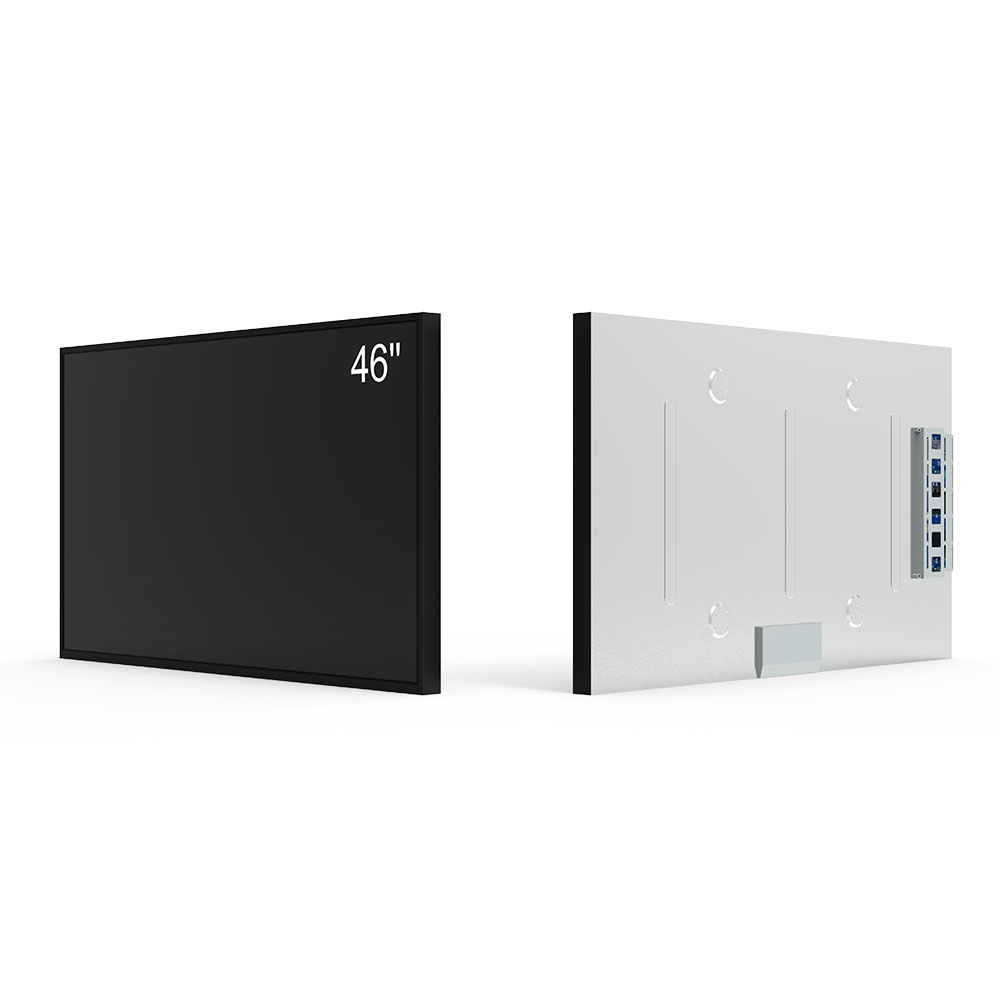
Finally, backlights and polarizers are integrated. Edge-lit LED backlights offer better energy efficiency than older CCFLs, but their uniformity depends on diffuser plate quality and light guide design. Polarizers must be applied without wrinkles or delamination, as even minor imperfections can cause glare or reduced visibility under direct sunlight.
Environmental stress testing—including thermal cycling, humidity exposure, and vibration simulations—is now standard before mass production. These tests, based on IEC 60068 standards, help predict long-term reliability. For instance, a study published in IEEE Transactions on Device and Materials Reliability found that LCDs subjected to 1000 hours of thermal shock (−20°C to +70°C) showed a 95% reduction in failure rate compared to untested units.
In summary, LCD manufacturing is a complex, multi-step process where precision at every stage directly impacts final product quality. Companies like LG Display, Samsung Display, and BOE have invested heavily in automation and real-time defect detection systems to improve yield rates and reduce warranty costs. For global consumers, choosing products from manufacturers who adhere to ISO 14001 and IEC 62368-1 standards ensures both environmental responsibility and technical excellence.