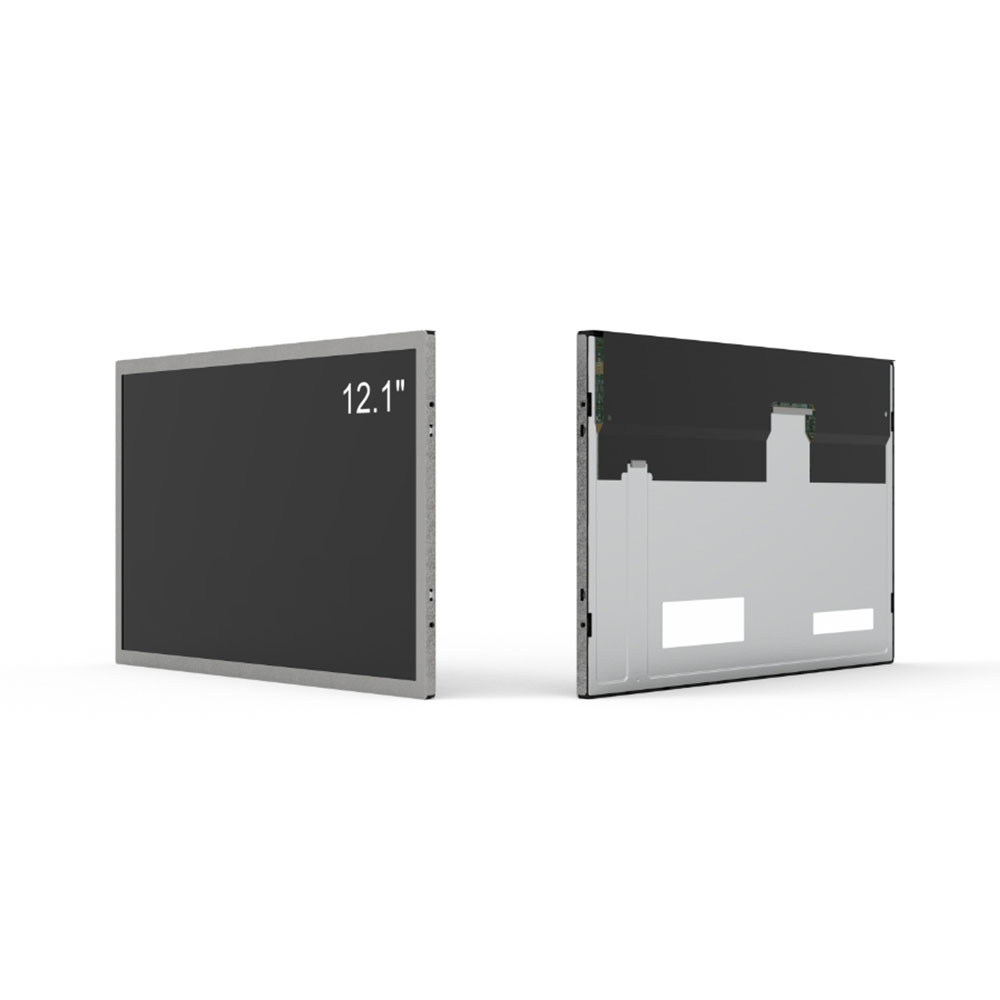
High-Performance LCD Displays for Transportation and Outdoor Digital Signage Applications
In today’s rapidly evolving digital landscape, high-performance LCD displays have become indispensable across a wide range of industries—from public transportation to retail and energy infrastructure. These displays are specifically engineered for durability, clarity, and reliability in demanding environments such as railway stations, buses, subways, intercity trains, EV charging kiosks, gas pumps, outdoor digital signage, real estate marketing panels, and retail point-of-sale systems.
For passenger information systems (PIS), LCDs must deliver consistent image quality under varying lighting conditions—from bright sunlight to low indoor illumination—while maintaining long-term operational stability. Leading manufacturers now integrate anti-glare coatings, wide viewing angles (up to 178°), and high-brightness panels (up to 5000 nits) to ensure visibility even in direct sunlight. For instance, the LG Electronics LQ156D1LX12 panel used in many railway PIS applications meets EN 50155 standards for vibration, temperature, and electromagnetic compatibility, making it ideal for harsh transit environments.
In EV charging kiosks and gas pumps, touch-enabled LCDs with IP65 or higher ingress protection are essential to prevent dust and water damage in outdoor settings. These displays often feature ruggedized aluminum frames, sealed backlights, and industrial-grade components rated for -30°C to +70°C operating temperatures. According to a 2023 report by MarketsandMarkets, the global market for outdoor digital signage is projected to exceed $35 billion by 2027, driven largely by smart city initiatives and increased demand for dynamic advertising solutions.
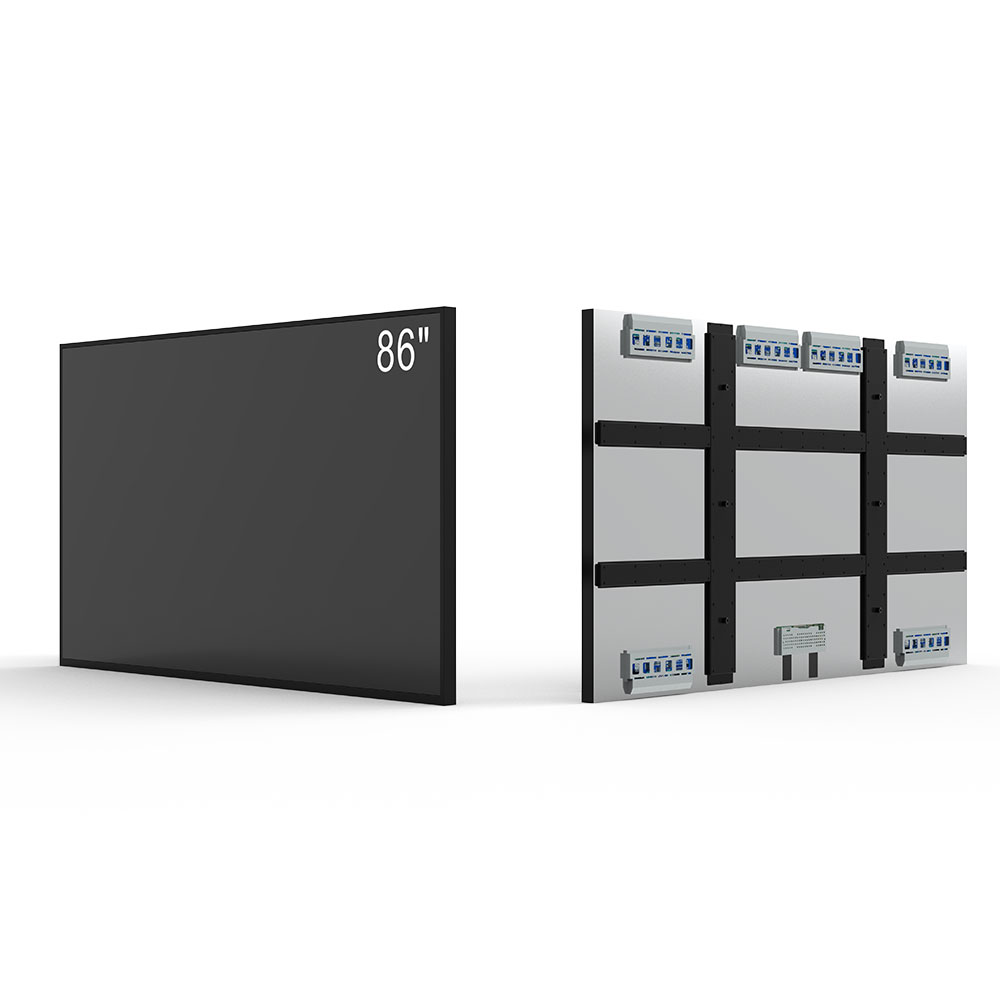
Retail and real estate sectors benefit from customizable LCD solutions that support 4K resolution, USB-C connectivity, and remote content management via cloud platforms like BrightSign or Screenly. In these applications, display longevity is critical—LED-backlit LCDs with over 60,000 hours of MTBF (Mean Time Between Failures) are now standard. Additionally, compliance with ENERGY STAR and RoHS regulations ensures environmentally responsible operation without compromising performance.
Whether deployed indoors or outdoors, modern LCD technology continues to push boundaries in brightness, contrast, and power efficiency. With increasing integration of AI-driven content analytics and IoT connectivity, these displays are no longer passive screens—they’re intelligent nodes in a connected ecosystem. For engineers and procurement managers seeking robust, future-proof solutions, selecting an LCD tailored to application-specific environmental and functional requirements remains key to maximizing ROI and user satisfaction.