
High Brightness 4K Display Technology for Superior Visual Experience
In today's digital age, high brightness 4K displays have become essential for professionals and consumers alike who demand clarity, color accuracy, and immersive visuals. Whether you're a graphic designer, video editor, or simply someone who enjoys streaming movies in stunning detail, a 4K display with high brightness delivers unparalleled performance. These displays typically offer resolutions of 3840 x 2160 pixels—four times the resolution of standard 1080p HD—while maintaining exceptional luminance levels of 500 nits or more, even in well-lit environments.
What sets high brightness 4K displays apart is their ability to maintain image quality under varying lighting conditions. Unlike traditional LCDs that may appear washed out in sunlight or bright rooms, modern 4K panels use advanced backlighting technologies such as LED-edge lighting or full-array local dimming (FALD). This ensures deep blacks, vibrant colors, and consistent brightness across the screen—even when viewing content in daylight. For example, LG’s IPS-based 4K monitors and Dell’s UltraSharp series are widely praised for their brightness consistency and wide color gamut support (up to 99% sRGB and 95% DCI-P3).
These displays are also ideal for professional applications like medical imaging, architectural visualization, and digital signage. In retail settings, high brightness 4K screens attract attention by delivering crisp product images and smooth animations, even in brightly lit stores. Meanwhile, gamers benefit from reduced eye strain and improved reaction times thanks to clearer visuals at higher brightness levels—especially important in competitive gaming where split-second decisions matter.
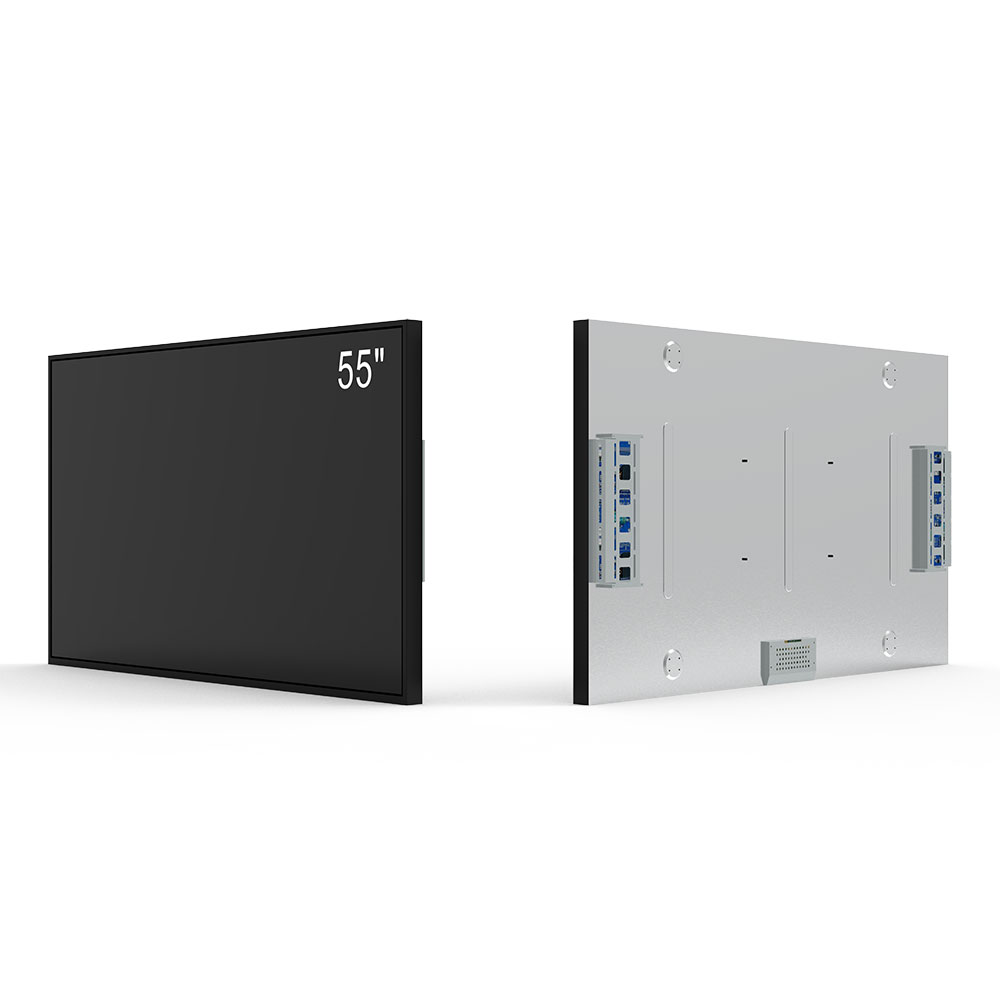
Moreover, many high brightness 4K displays now come with HDR (High Dynamic Range) compatibility, enhancing contrast and realism by allowing brighter highlights and deeper shadows. Models such as the ASUS ProArt Display PA279CV and BenQ PD2700U integrate hardware calibration tools and factory pre-calibration for accurate color reproduction—key for photographers and designers working on client projects.
The rise of remote work and hybrid learning has further boosted demand for high brightness 4K monitors. With longer screen time, users increasingly prefer displays that reduce glare and improve visibility without increasing eye fatigue. According to a 2023 report by DisplaySearch, global shipments of 4K monitors grew by 18% year-over-year, driven largely by demand from creative industries and enterprise sectors.
As technology evolves, manufacturers continue to push boundaries—developing OLED and Mini-LED variants that deliver even higher peak brightness (up to 1,500 nits) while improving energy efficiency. These innovations ensure that high brightness 4K displays remain at the forefront of visual computing, offering both performance and comfort in diverse real-world scenarios.
上一篇:High-Performance LCD Displays for Transportation and Outdoor Digital Signage Applications
下一篇:没有了