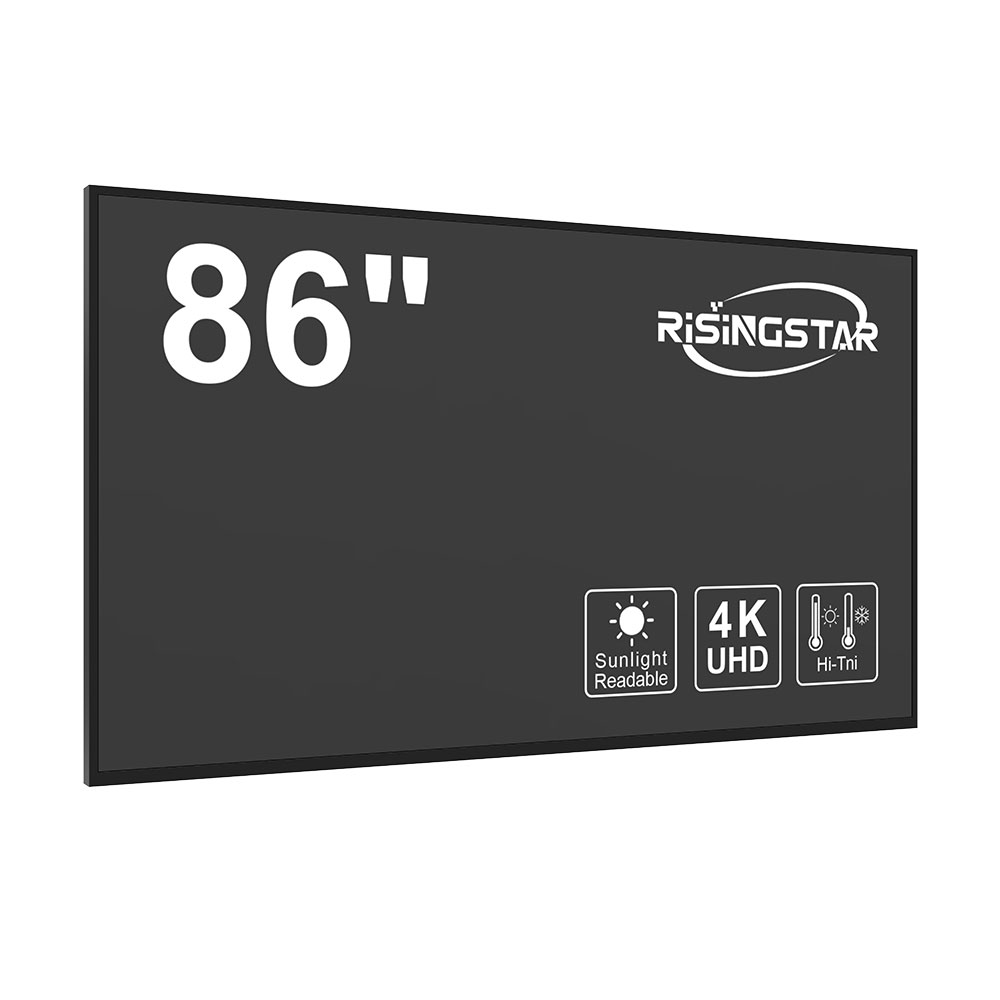
How to Choose the Right LCD Display for Industrial Applications
When selecting an LCD display for industrial applications, it's essential to consider environmental conditions, operational reliability, and long-term maintenance. Unlike consumer-grade displays, industrial LCDs must withstand extreme temperatures, humidity, vibration, and dust—conditions commonly found in manufacturing plants, oil rigs, or outdoor equipment. According to a 2023 report by MarketsandMarkets, the global industrial LCD market is projected to reach $12.4 billion by 2028, driven by demand from automation, automotive, and energy sectors.
Key factors include brightness (measured in nits), viewing angles, and contrast ratio. For example, displays used in outdoor environments should have at least 5000 nits of brightness to remain visible under direct sunlight. The MIL-STD-810G standard often serves as a benchmark for ruggedness testing, ensuring durability against shock, temperature cycling, and moisture ingress.
Another critical consideration is the type of backlighting—LED backlights are preferred over CCFL due to their lower power consumption, longer lifespan, and better color consistency. In harsh environments, IPS (In-Plane Switching) panels offer superior viewing angles and color accuracy compared to TN (Twisted Nematic) panels. For applications requiring high resolution and fast response times, such as control systems in robotics or medical devices, OLED or LVDS-based LCDs may be more suitable.
Customer reviews from major OEMs like Siemens and Bosch highlight that choosing certified industrial displays reduces downtime and increases system uptime. A case study from a German automation company showed a 40% reduction in display-related failures after switching from consumer-grade to ISO 16750-compliant displays.
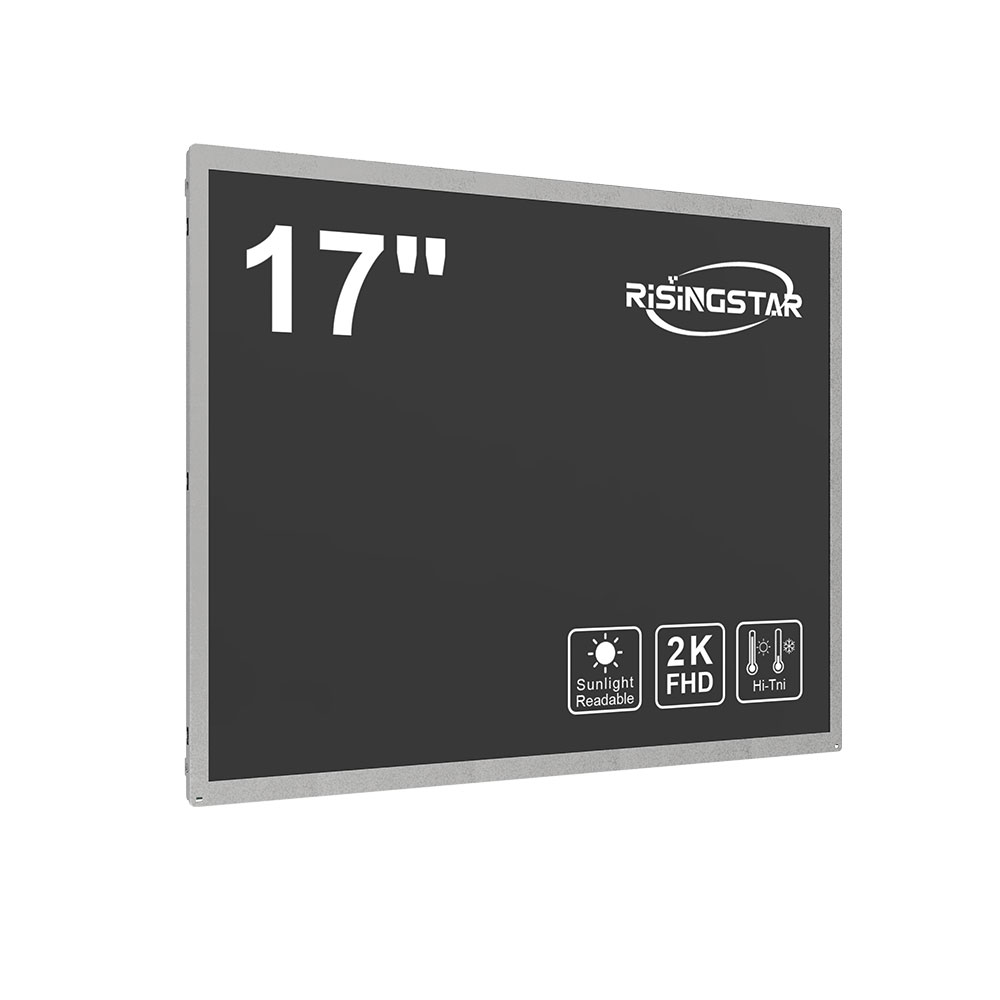
Lastly, future-proofing matters—look for displays with modular connectors, support for multiple interfaces (HDMI, LVDS, MIPI), and firmware-upgradable features. These elements ensure compatibility with evolving industrial protocols like OPC UA or EtherCAT. By prioritizing these technical specifications and real-world performance data, engineers can select LCDs that enhance both productivity and system longevity in demanding industrial settings.