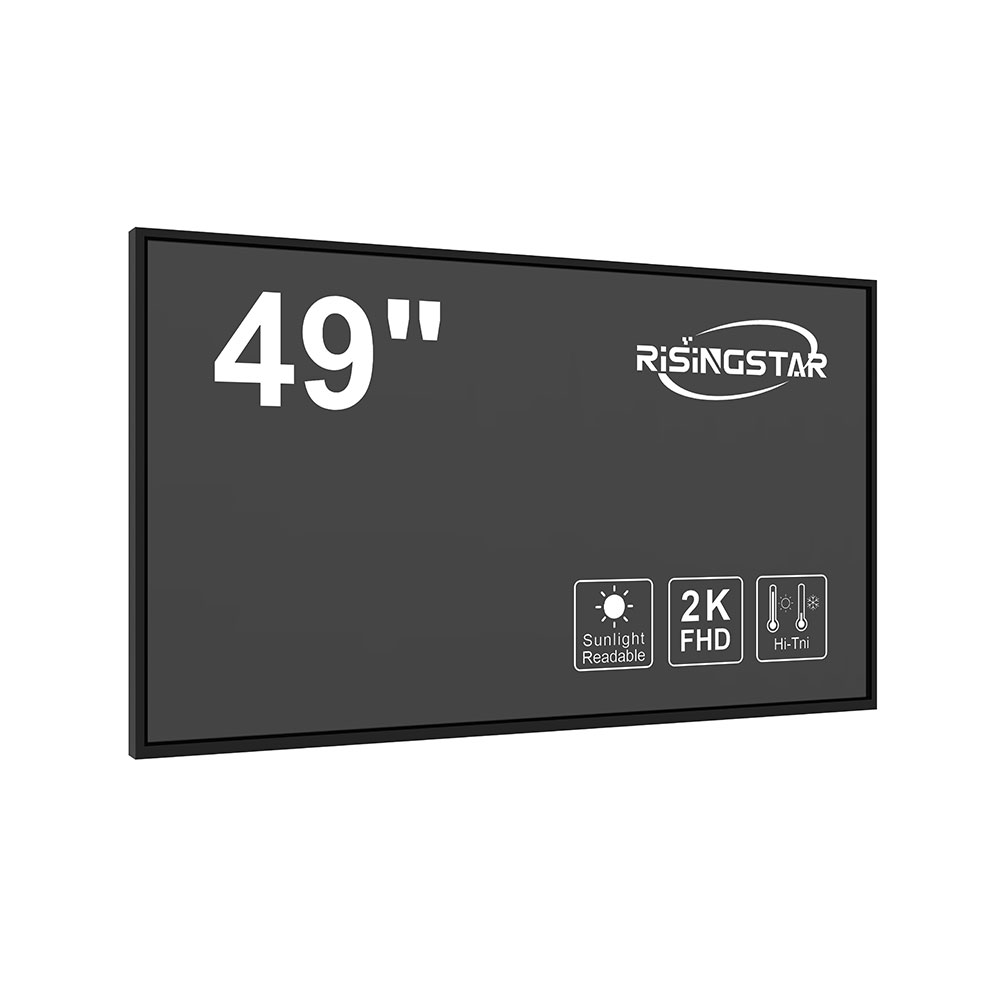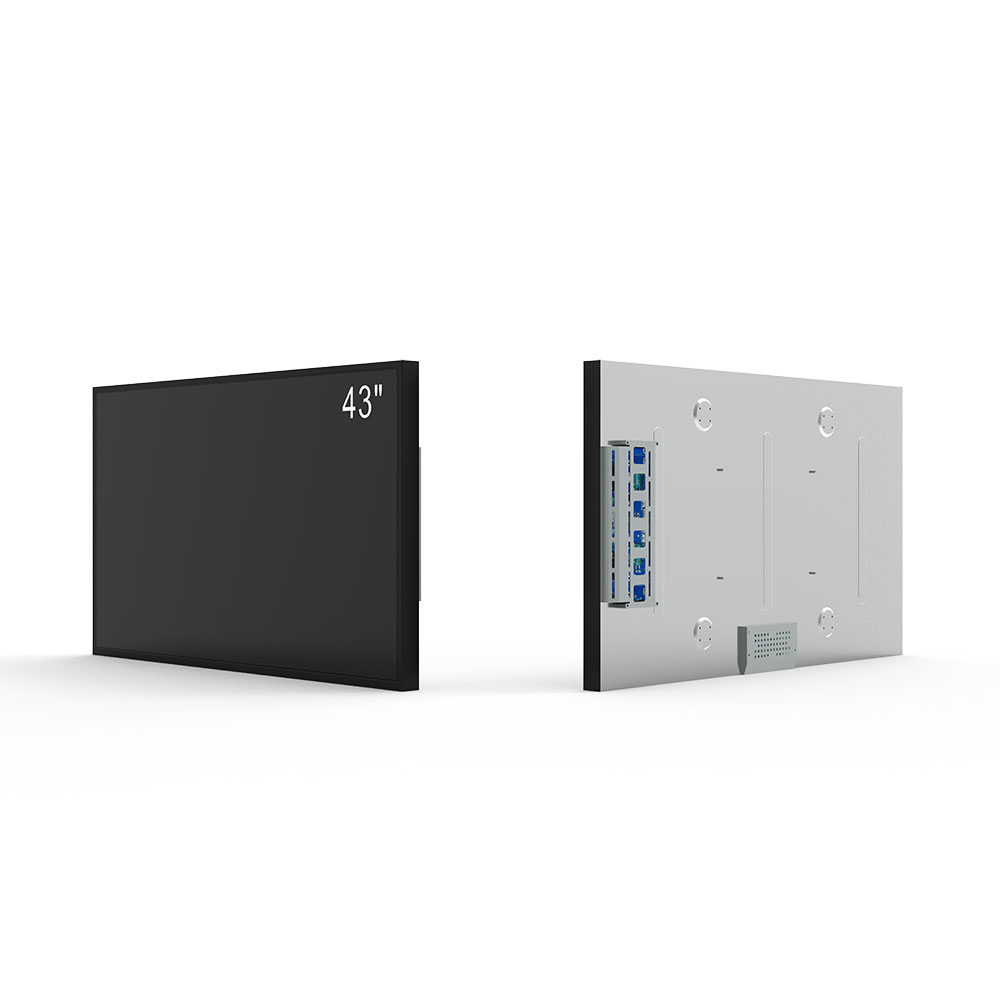
LCD (Liquid Crystal Display) technology continues to be a cornerstone of modern visual interfaces, powering everything from smartphones and laptops to automotive dashboards and industrial control panels. Despite the rise of OLED and micro-LED displays, LCD remains dominant due to its cost-effectiveness, energy efficiency, and mature manufacturing ecosystem.
One of the most practical applications of LCDs is in the medical field—especially in patient monitoring systems and diagnostic imaging equipment. High-resolution LCD panels provide clear, stable visuals even under low-light conditions, making them ideal for hospitals and clinics where accuracy is critical. In consumer electronics, manufacturers like Samsung and LG have optimized LCDs with local dimming and wide color gamut technologies to rival OLED performance while maintaining lower production costs.
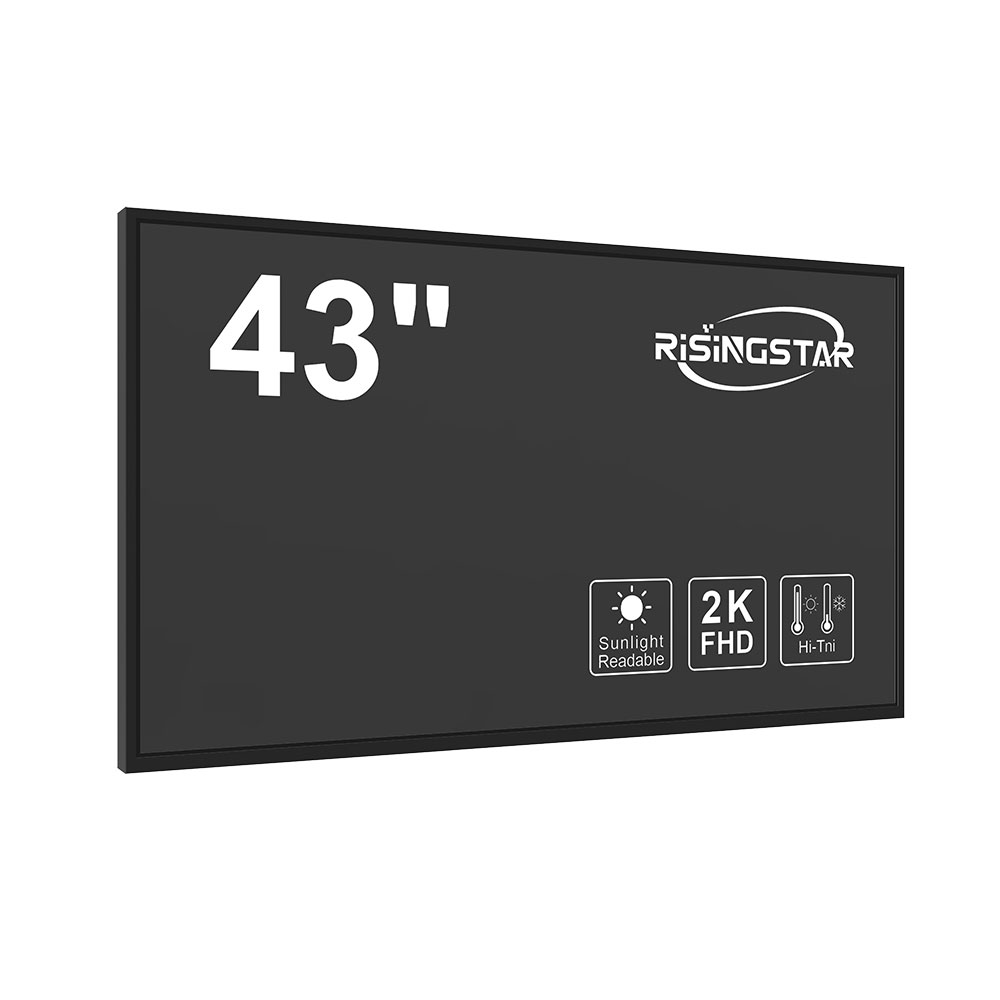
The advantages of LCDs are well documented: they offer excellent brightness levels (often exceeding 500 nits), long operational lifespans (up to 60,000 hours or more), and minimal burn-in risk compared to OLED. Additionally, advancements in IPS (In-Plane Switching) and VA (Vertical Alignment) panel types have significantly improved viewing angles and contrast ratios—making LCDs suitable for professional design work and high-end gaming monitors.

However, common problems persist. One frequent issue is backlight bleed, particularly in budget models, where uneven lighting creates visible bright spots on dark screens. Another concern is response time—older TN (Twisted Nematic) panels can suffer from motion blur, though newer Fast IPS and IPS Black panels now deliver sub-5ms response times. Manufacturers also face challenges with sustainability, as traditional LCDs contain mercury-based backlight units that require proper disposal under RoHS standards.

The latest trend in LCD innovation focuses on mini-LED backlighting, which combines the benefits of LCD’s affordability with the precision of OLED-like local dimming. Companies like Apple, Dell, and ASUS have adopted mini-LED LCDs in premium laptops and monitors, delivering up to 100,000:1 contrast ratios and HDR support without the higher price tag of full-array OLED. According to a 2024 report by IHS Markit, mini-LED LCD shipments are projected to grow by 37% year-over-year, signaling strong industry confidence in this hybrid approach.
For users, choosing an LCD means balancing performance, longevity, and environmental impact. Whether it’s for a home office setup, an automotive infotainment system, or a medical display, understanding these factors ensures optimal value and functionality.