When selecting an LCD panel for your display application—whether it's for consumer electronics, industrial equipment, or medical devices—it's essential to understand the key technical and environmental factors that influence performance, longevity, and cost-effectiveness. The right choice ensures optimal user experience, reduces maintenance costs, and enhances product reliability.
First, consider the panel type. TN (Twisted Nematic), IPS (In-Plane Switching), and VA (Vertical Alignment) panels each offer distinct advantages. TN panels are known for fast response times and lower cost, making them ideal for gaming monitors and budget-friendly displays. IPS panels provide superior color accuracy and wide viewing angles, which is critical in professional design work and digital signage. VA panels strike a balance with high contrast ratios and deep blacks, often used in home theater systems and premium monitors.
Next, evaluate resolution and pixel density. Higher resolutions like 4K UHD or QHD improve clarity but require more powerful GPUs and higher power consumption. For embedded systems or portable devices, choosing a lower resolution such as HD or Full HD can optimize battery life and reduce heat generation. Always match the panel’s native resolution to the target application to avoid unnecessary scaling artifacts or performance bottlenecks.
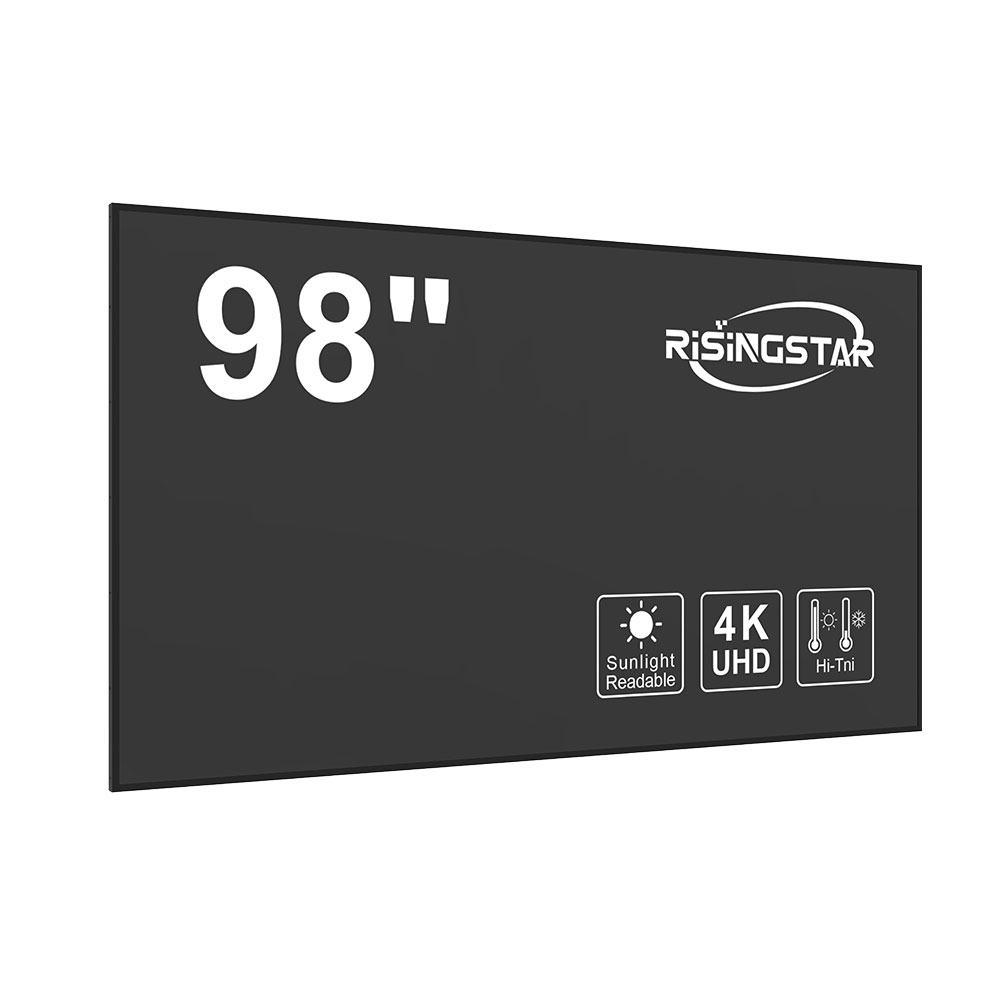
Environmental conditions also play a crucial role. Industrial-grade LCDs must withstand extreme temperatures (-30°C to +70°C), humidity, and mechanical vibrations. Look for panels certified under MIL-STD-810G or IEC 60068 standards for ruggedized environments. Medical-grade displays may require compliance with ISO 13485 for sterility and biocompatibility.
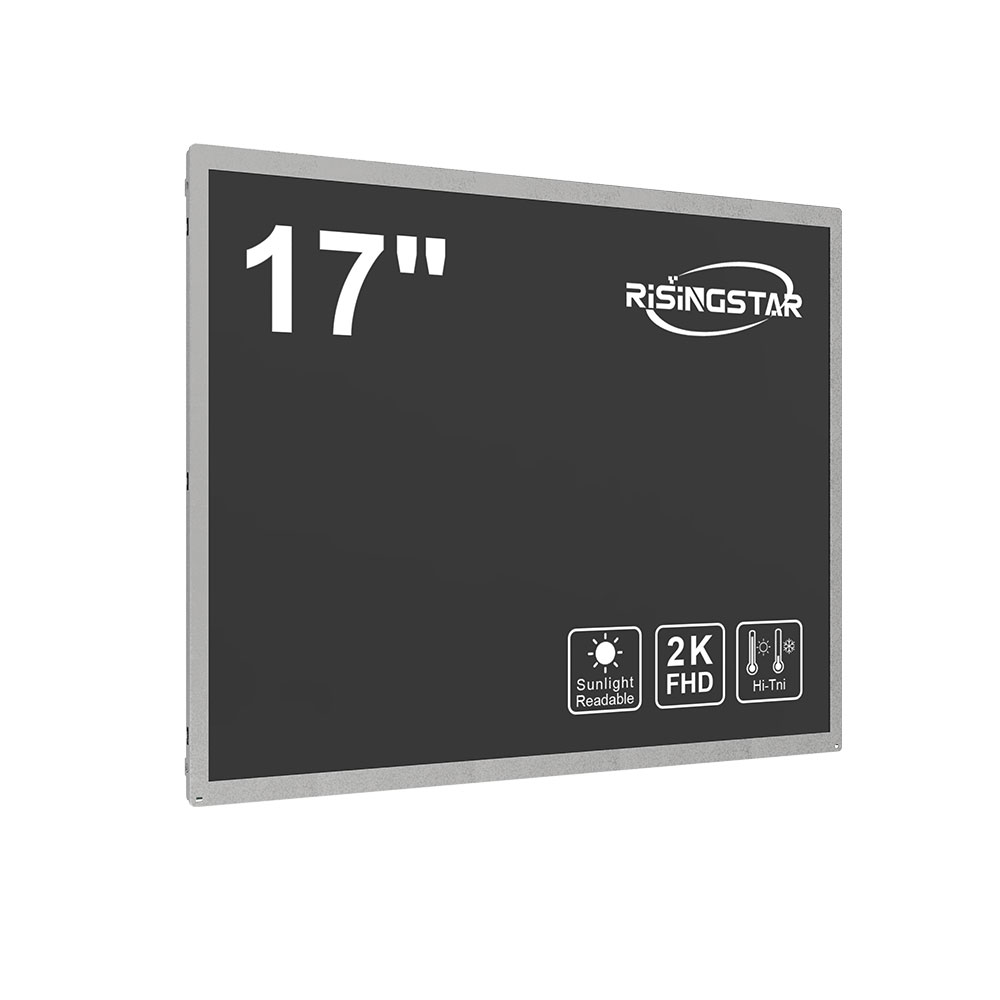
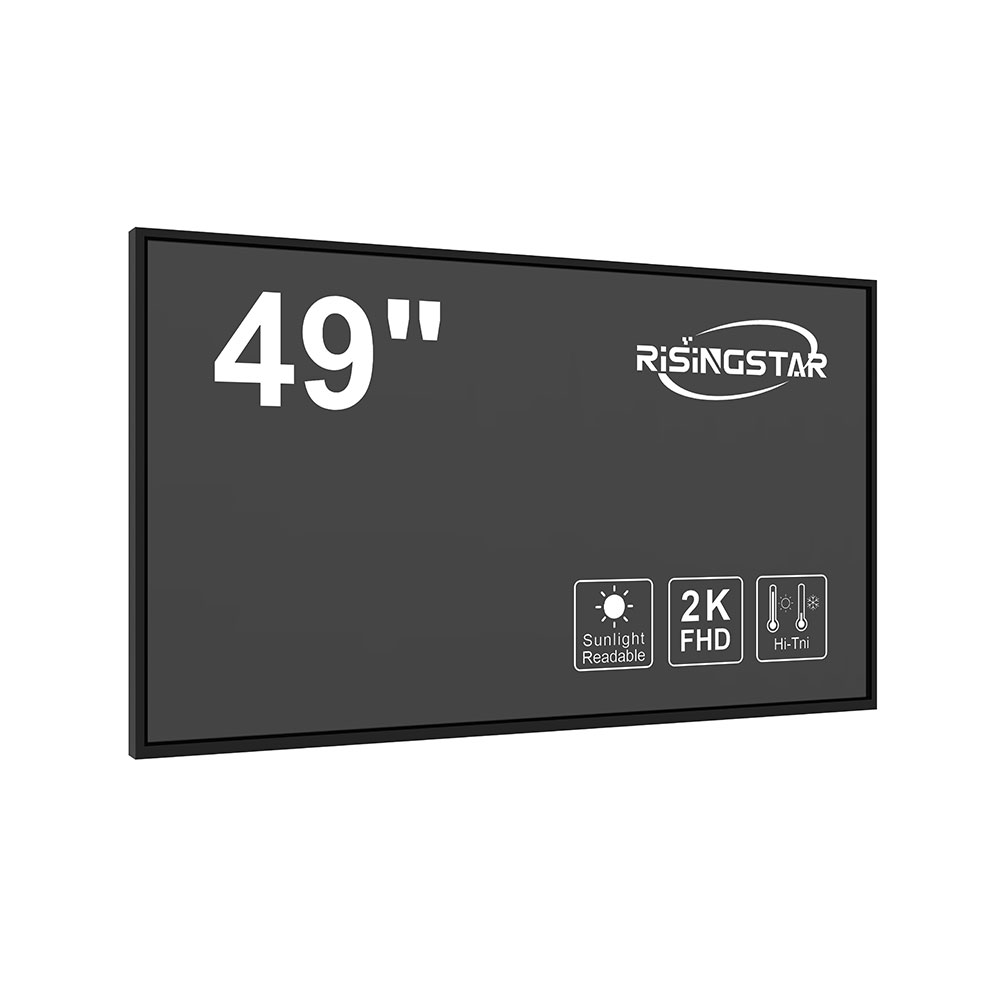
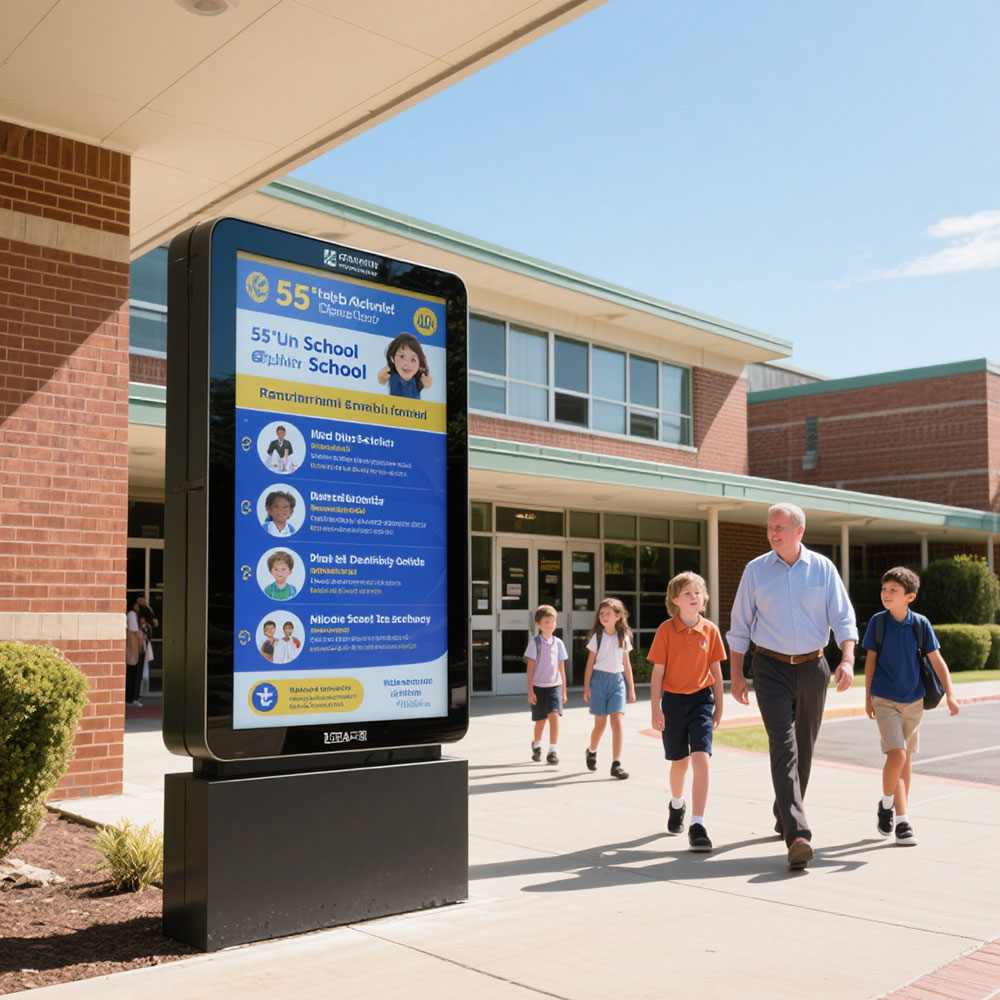
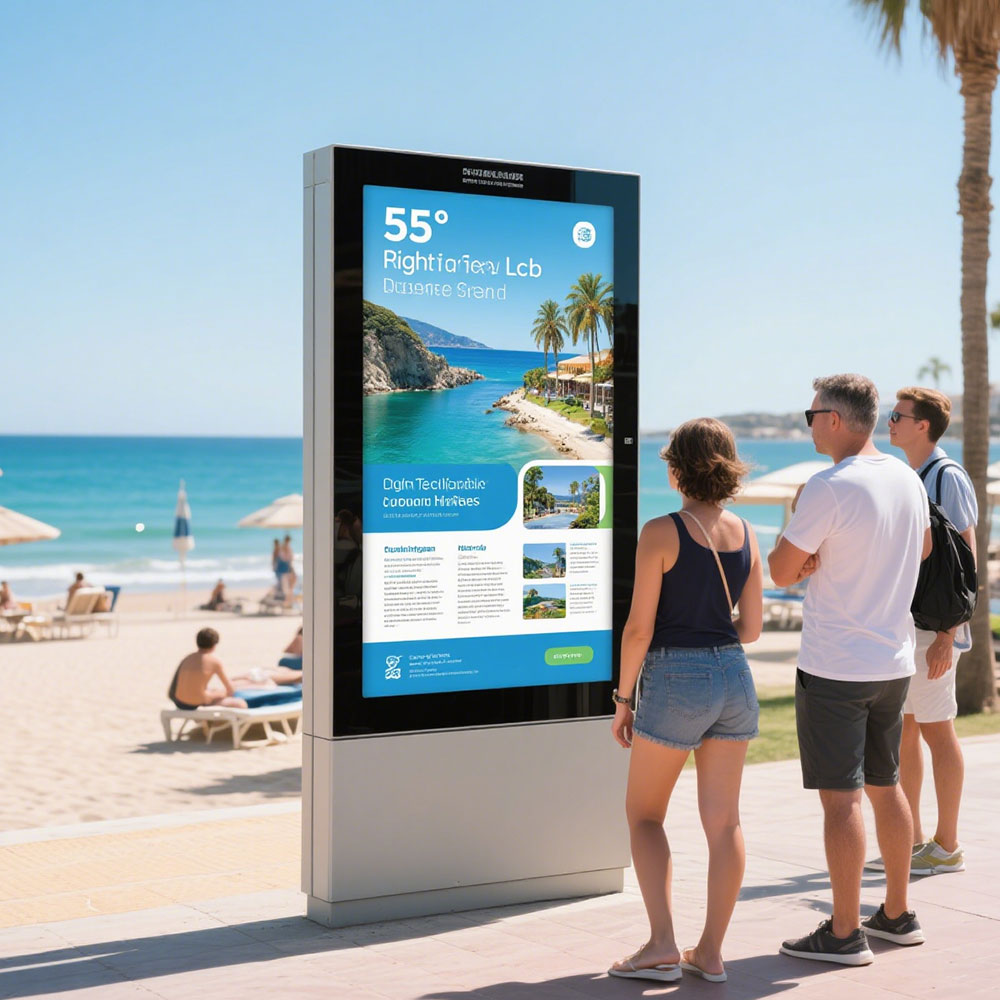
Backlight technology matters too. LED-backlit panels offer better energy efficiency and thinner profiles compared to older CCFL backlights. For outdoor visibility, consider high-brightness panels (>500 nits) with anti-glare coatings to maintain readability under direct sunlight.
Finally, assess vendor support and supply chain stability. A reliable manufacturer with a proven track record in your industry segment ensures long-term availability, firmware updates, and technical assistance. Case studies from companies like LG Display, BOE Technology, and AU Optronics show that partnering with established suppliers improves product lifecycle management and minimizes risks associated with obsolescence.
By carefully analyzing these parameters—panel type, resolution, environmental resilience, backlight efficiency, and supplier credibility—you can confidently select an LCD panel that meets both current and future demands of your application.