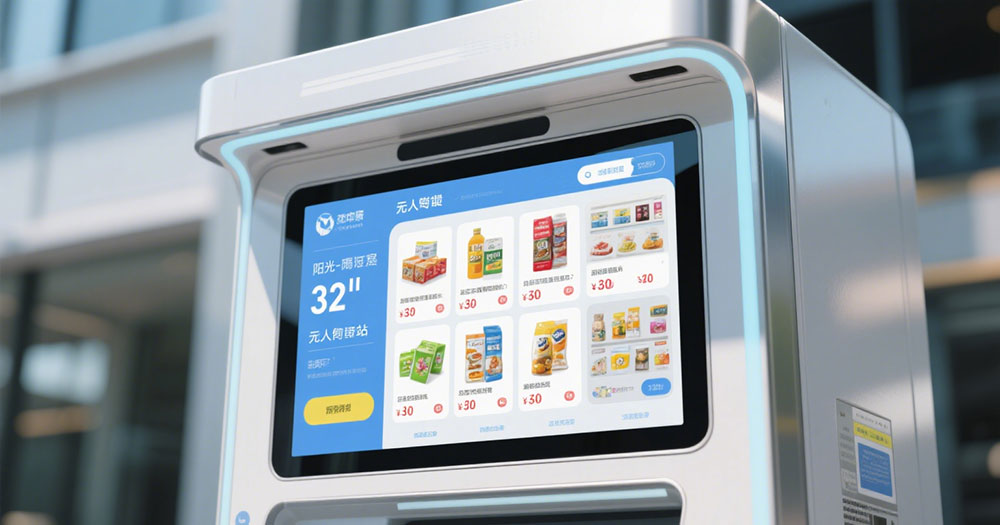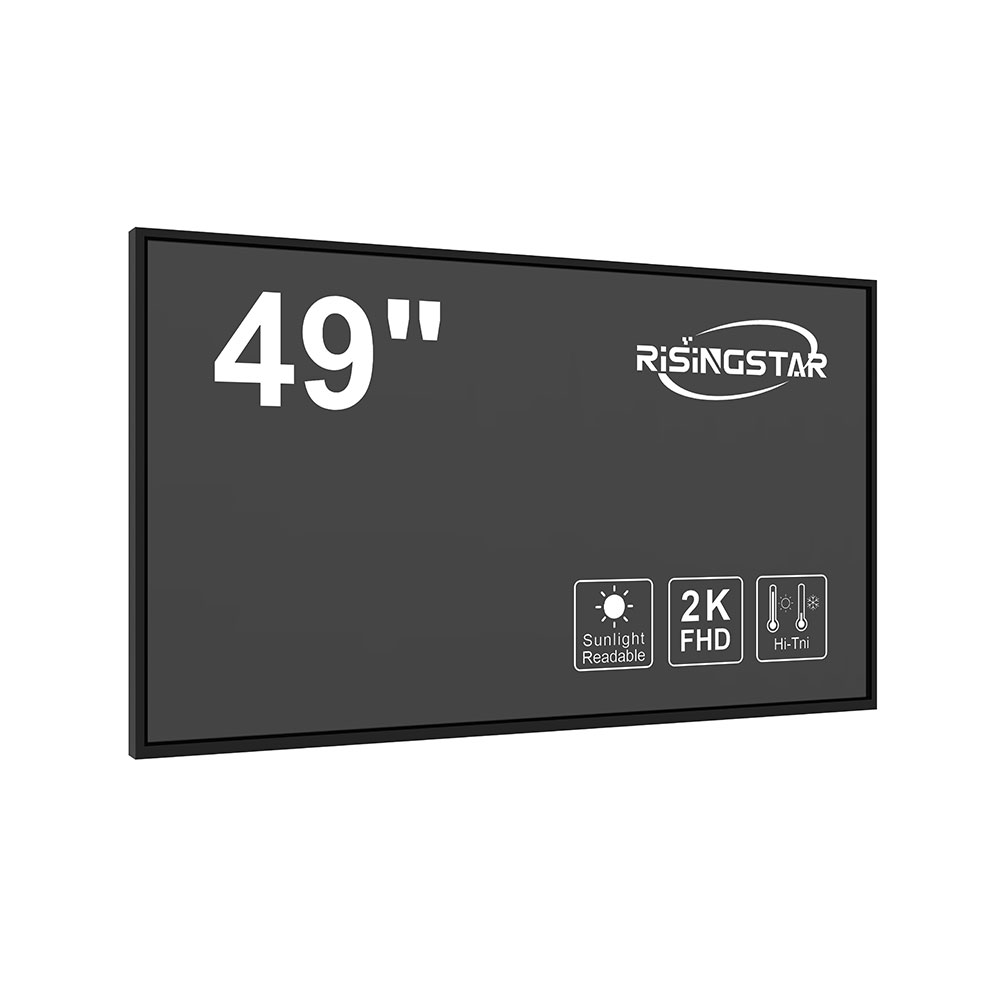
When selecting an LCD panel for industrial applications—such as factory automation, medical equipment, or outdoor signage—it's critical to consider factors beyond just screen size and resolution. The environment in which the display will operate directly impacts performance, longevity, and reliability. For instance, industrial settings often involve extreme temperatures, vibration, dust, and moisture, all of which demand specialized panel features.
First, evaluate the operating temperature range. While consumer-grade panels typically function between 0°C and 50°C, industrial-grade displays must withstand -30°C to +70°C or even wider ranges. Panels like those from LG Display (e.g., LQ128X64D) and Innolux (e.g., L121WX2-LSB1) are rated for extended temperature operation, making them suitable for harsh environments.
Second, look at brightness and contrast ratio. Outdoor applications require high brightness—typically over 3,000 nits—to remain visible under direct sunlight. IPS (In-Plane Switching) panels offer superior viewing angles and color accuracy, crucial for operator interfaces in control rooms or medical diagnostics.
Third, assess ruggedization. Industrial LCDs often feature anti-glare coatings, hardened glass (like Gorilla Glass), and shock-resistant frames. These protect against mechanical stress and environmental damage. For example, the BOSCH ECO Series uses a sealed IP65-rated enclosure, ideal for wet or dusty conditions.
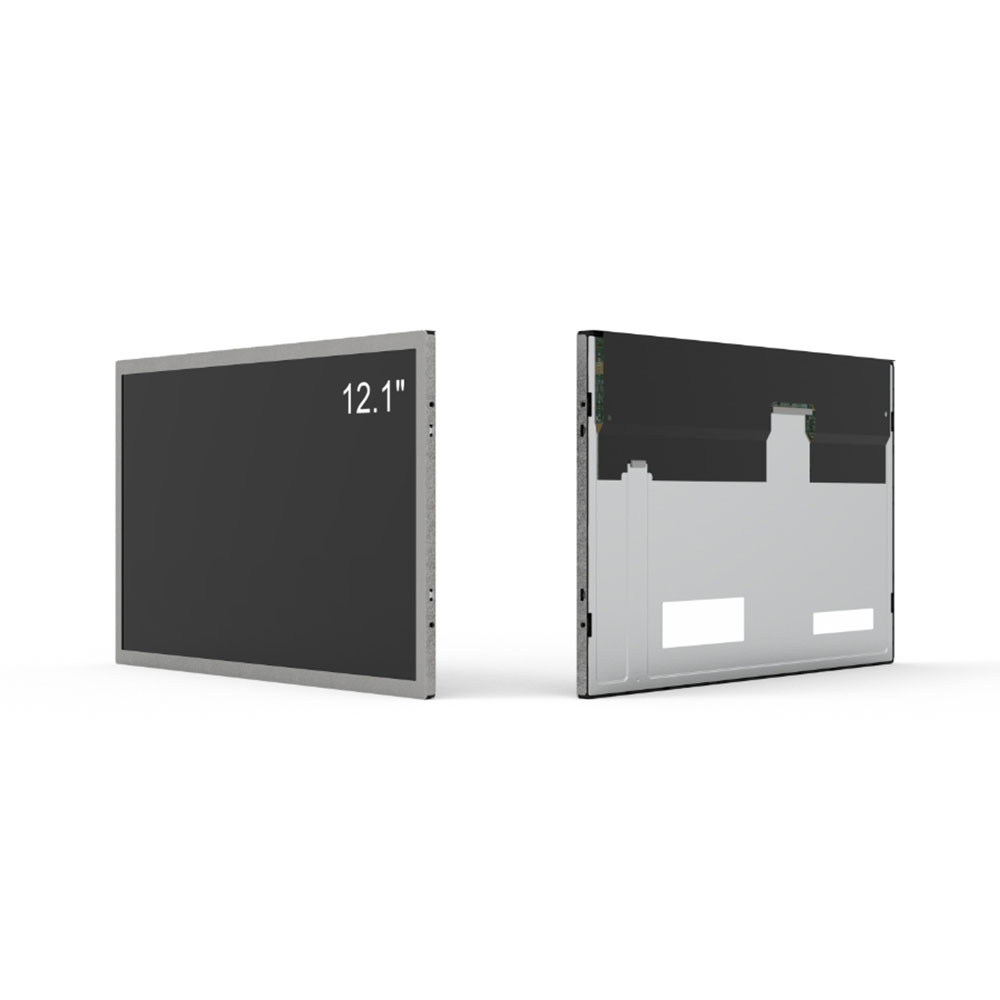
Fourth, consider power consumption and thermal management. Low-power panels such as e-Ink or OLED alternatives may be preferable for battery-powered devices. However, for continuous operation, energy-efficient TN (Twisted Nematic) or VA (Vertical Alignment) panels with active cooling solutions can reduce long-term maintenance costs.
Finally, verify compliance with international standards like IEC 60068 (environmental testing), MIL-STD-810G (military-grade durability), and RoHS (hazardous substance restrictions). Certifications ensure that the panel meets industry-specific safety and environmental benchmarks.
By aligning technical specifications with real-world usage scenarios and leveraging data from industry reports—such as those from MarketsandMarkets and IDTechEx—engineers and procurement teams can make informed decisions that balance cost, performance, and durability.